Natural Building Blocks and Classification of Space
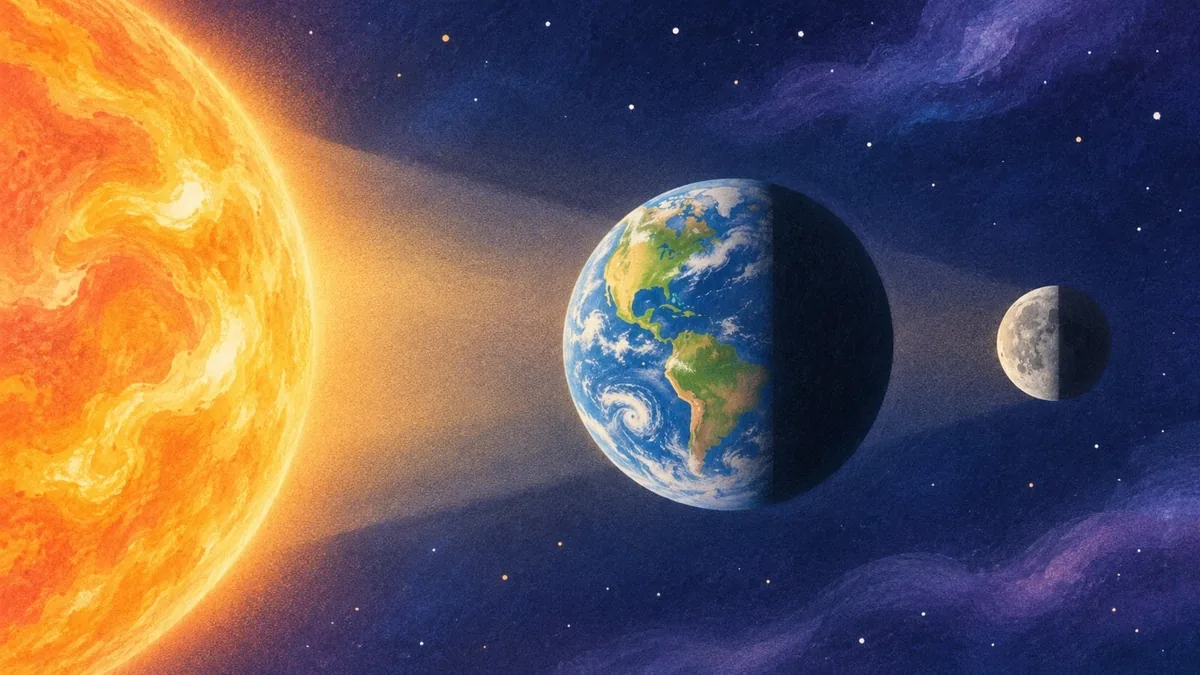
Natural entities located in the depths of space are broadly defined as celestial bodies. Stars, planets, dwarf planets, and satellites constitute the core components of this broad definition. Each class of celestial body is clearly distinguished from others by its unique physical processes, formation mechanisms, and orbital dynamics in space.
Light Sources and Orbital Movement Details
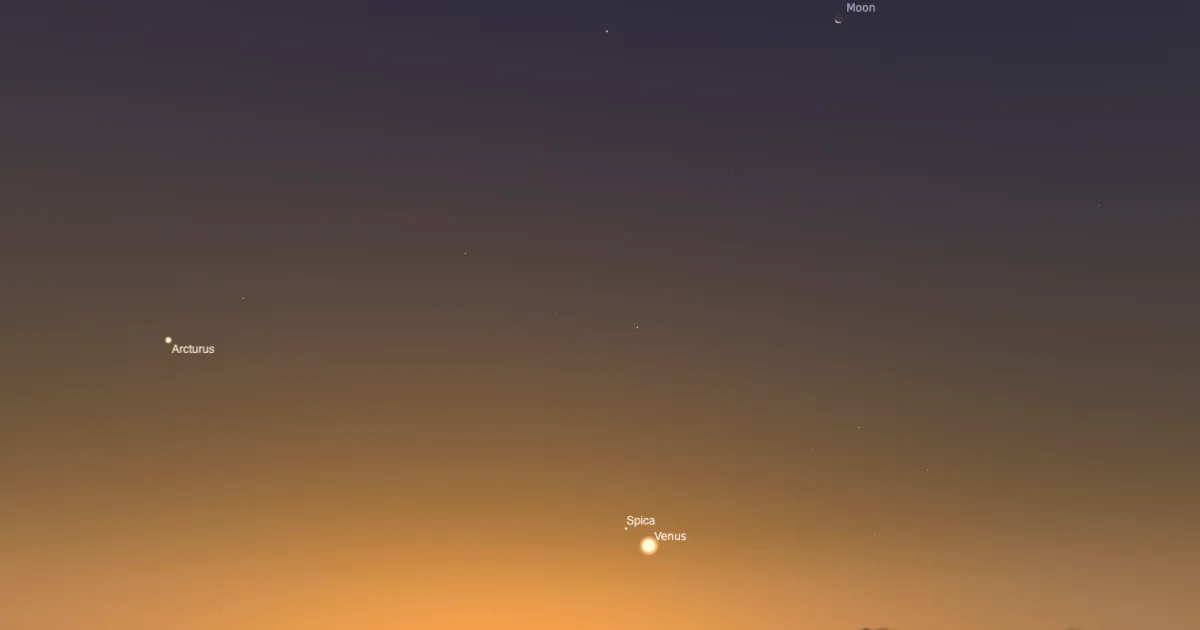
Stars are massive celestial bodies capable of generating their own heat and light through their internal energy mechanisms. The Sun, which continuously emits energy, serves as the closest and most prominent example of this class. Planets, on the other hand, cannot produce their own heat or light and instead orbit around a specific star. Similarly, satellites usually remain bound to the gravitational field of a planet, maintaining their orbital motion around that body.
Celestial Bodies and Cosmic Equilibrium
Understanding the fundamental characteristics of celestial bodies enables a proper comprehension of gravitational systems and celestial mechanics in the universe. In systems centered around stars, the regular orbital motions of planets and satellites help maintain cosmic stability. Distinguishing accurately between stars, planets, and satellites forms the basis for astronomical observations and future space exploration.
Comments
Loading comments...