The Elusive Nature of Dark Matter
Dark matter remains one of the most profound puzzles in modern physics, continually evading direct detection. While constituting a significant fraction of the universe's matter content, its interactions are so feeble that dedicated terrestrial detectors struggle to register conclusive signals. Slower-moving dark matter particles may leave signatures too faint for current ground-based sensors to isolate, compelling scientists to explore alternative celestial environments to trace their presence.
Celestial Bodies as Natural Particle Traps
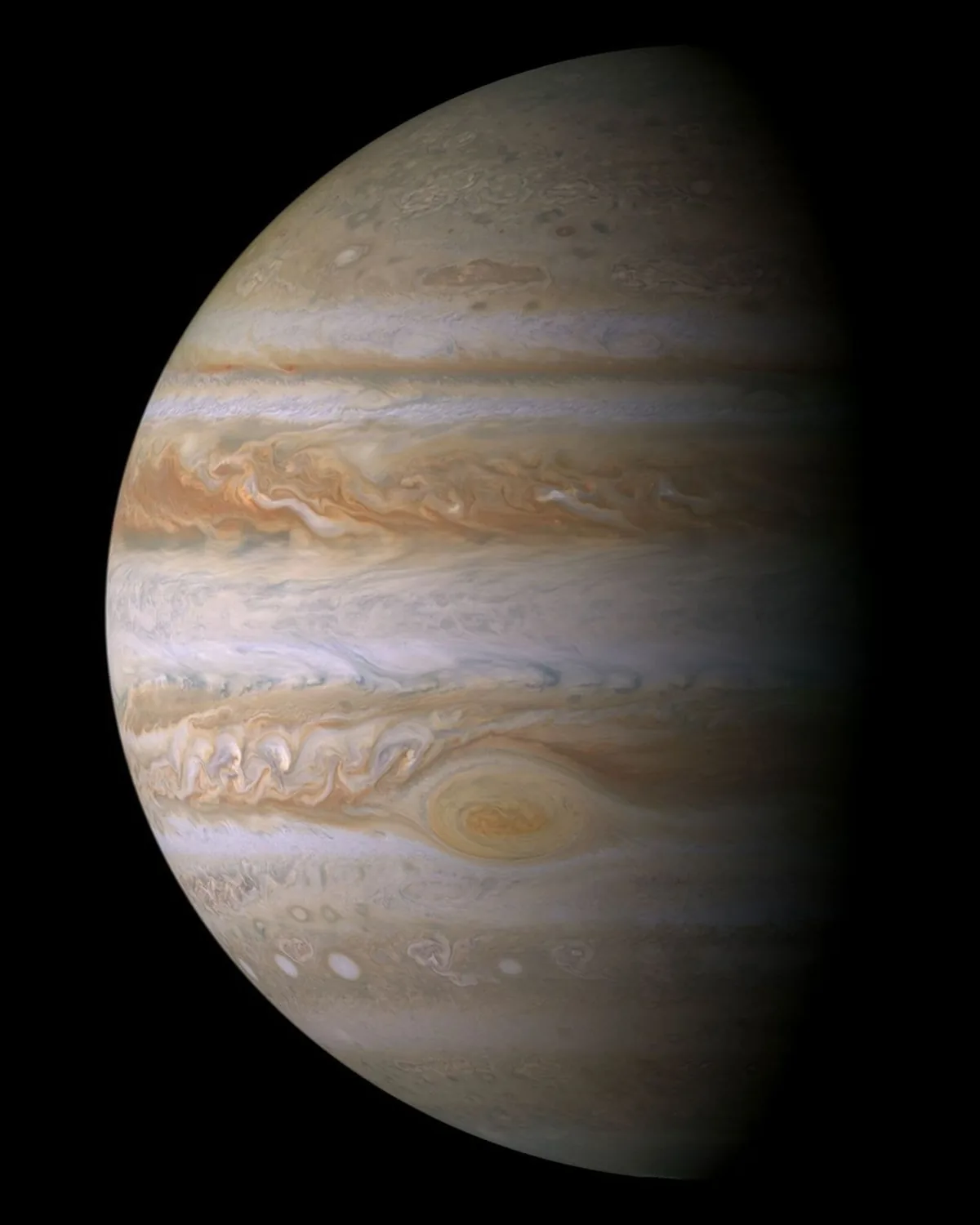
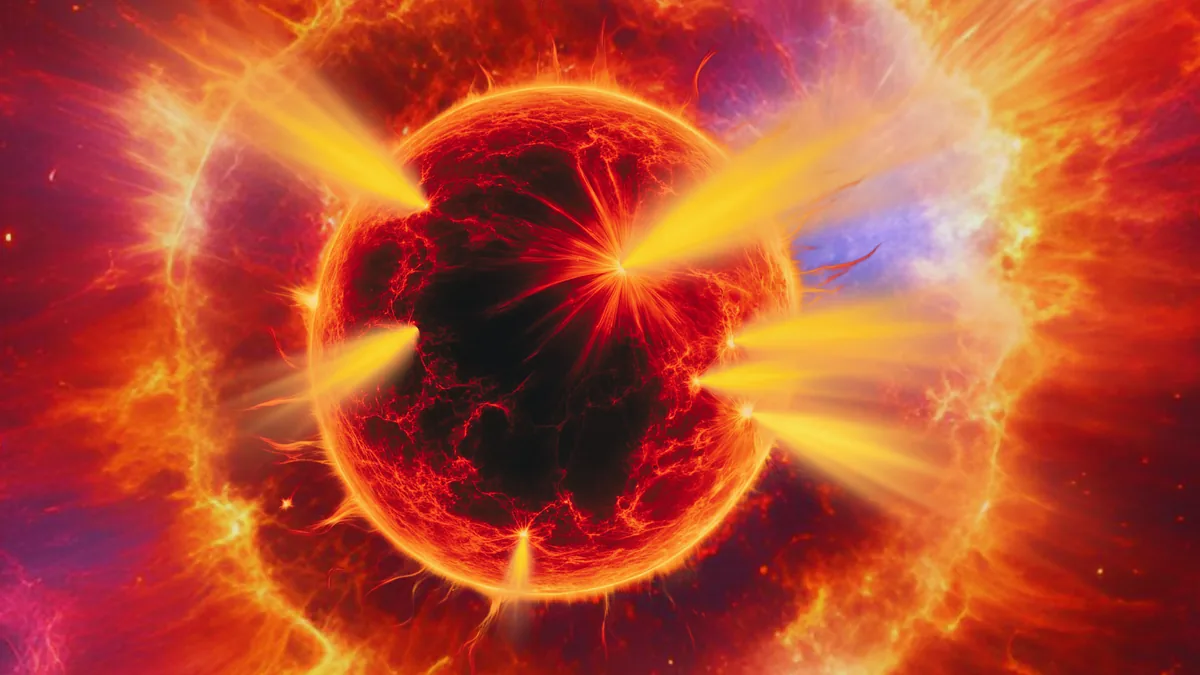
Astrophysicists suggest that slower-moving dark matter could be more easily captured by the gravitational wells of massive astronomical objects. The Sun, Earth, Jupiter, and dense stellar remnants like white dwarfs might act as potential reservoirs for these elusive particles. As dark matter gradually accumulates inside these bodies over cosmic timescales, the resulting concentration could induce distinct physical consequences within their interiors.
New Prospects for Existing Instruments
The accumulation of dark matter inside stars and planets could produce subtle energetic effects that existing astronomical instruments are capable of searching for. Instead of relying solely on direct collisions in terrestrial shielding tanks, monitoring these massive cosmic traps allows researchers to search for indirect signatures. This innovative perspective opens promising avenues for testing particle physics hypotheses and advancing our understanding of cosmic dark matter.

Comments
Loading comments...