Forty-Eight Years of NASA Monitoring
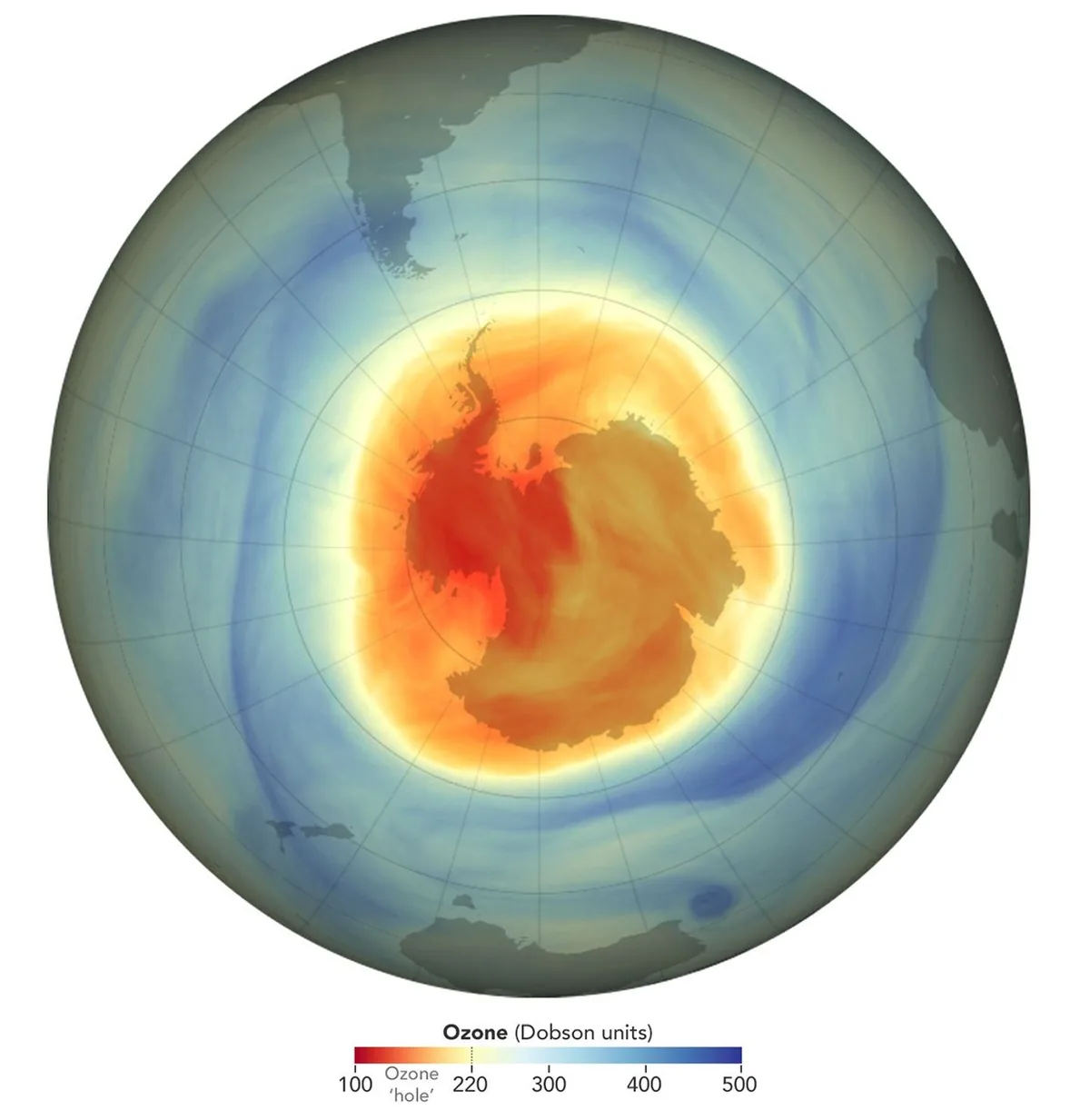
Atmospheric monitoring conducted by NASA indicates that the ozone hole has reached its 2026 maximum level. Based on data collected across 48 years of continuous observation, these findings provide insights into the structure and trends of the ozone layer.
Area Size and Depth Measurements
According to technical measurements, the ozone hole ranked as the seventh largest by surface area in the 48-year monitoring history. However, despite covering a vast area, observational data confirmed that it was not as deep as other large ozone holes previously recorded.
Evaluation of Atmospheric Findings
The comparison between the total area coverage and the depth of the ozone hole highlights key structural aspects of the phenomenon. Positioned as the seventh largest by area over nearly five decades of monitoring, this event remains a significant point of record within ongoing observations.
Comments
Loading comments...