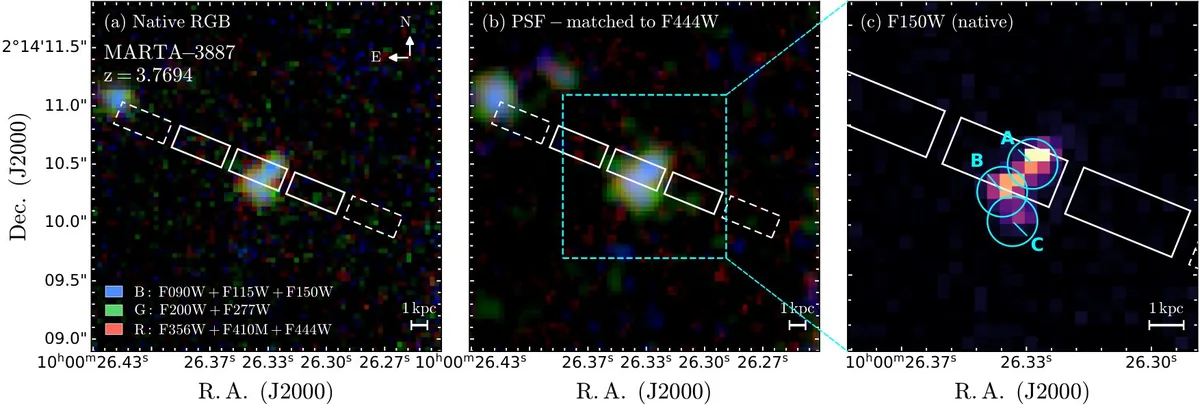
Surprising Discovery in the Early Universe
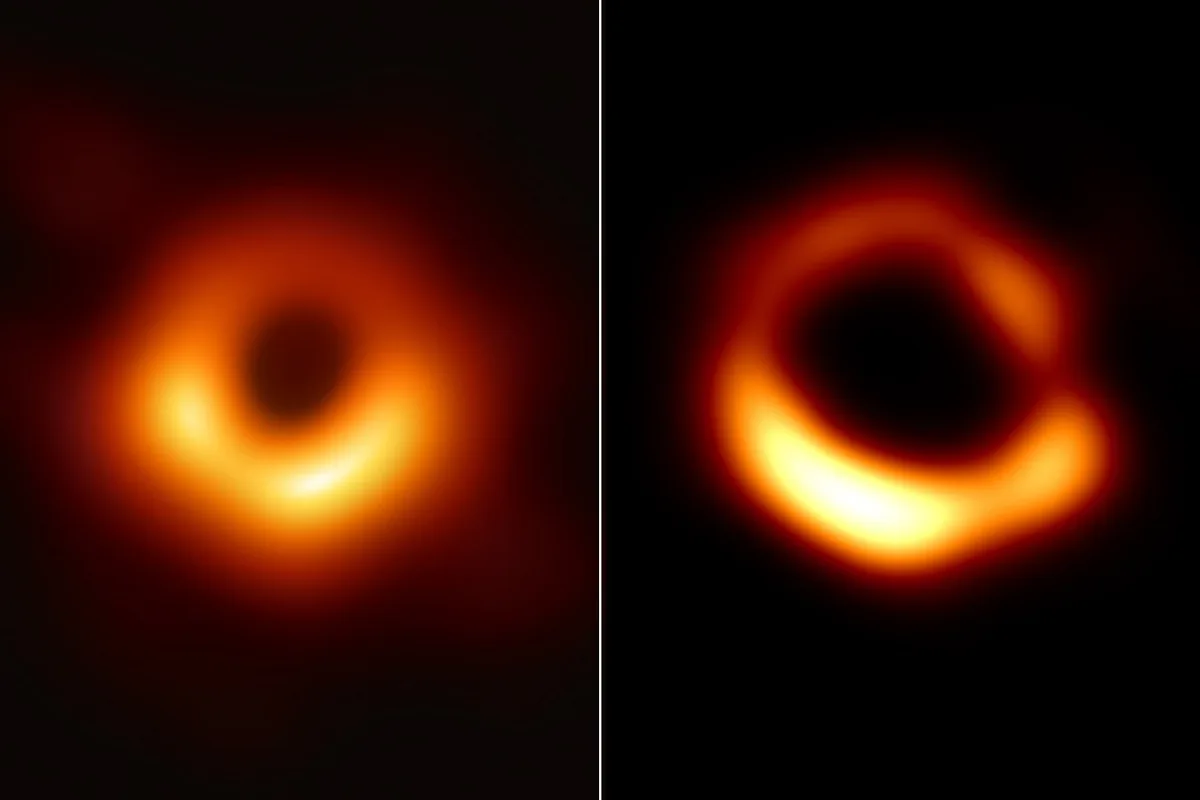
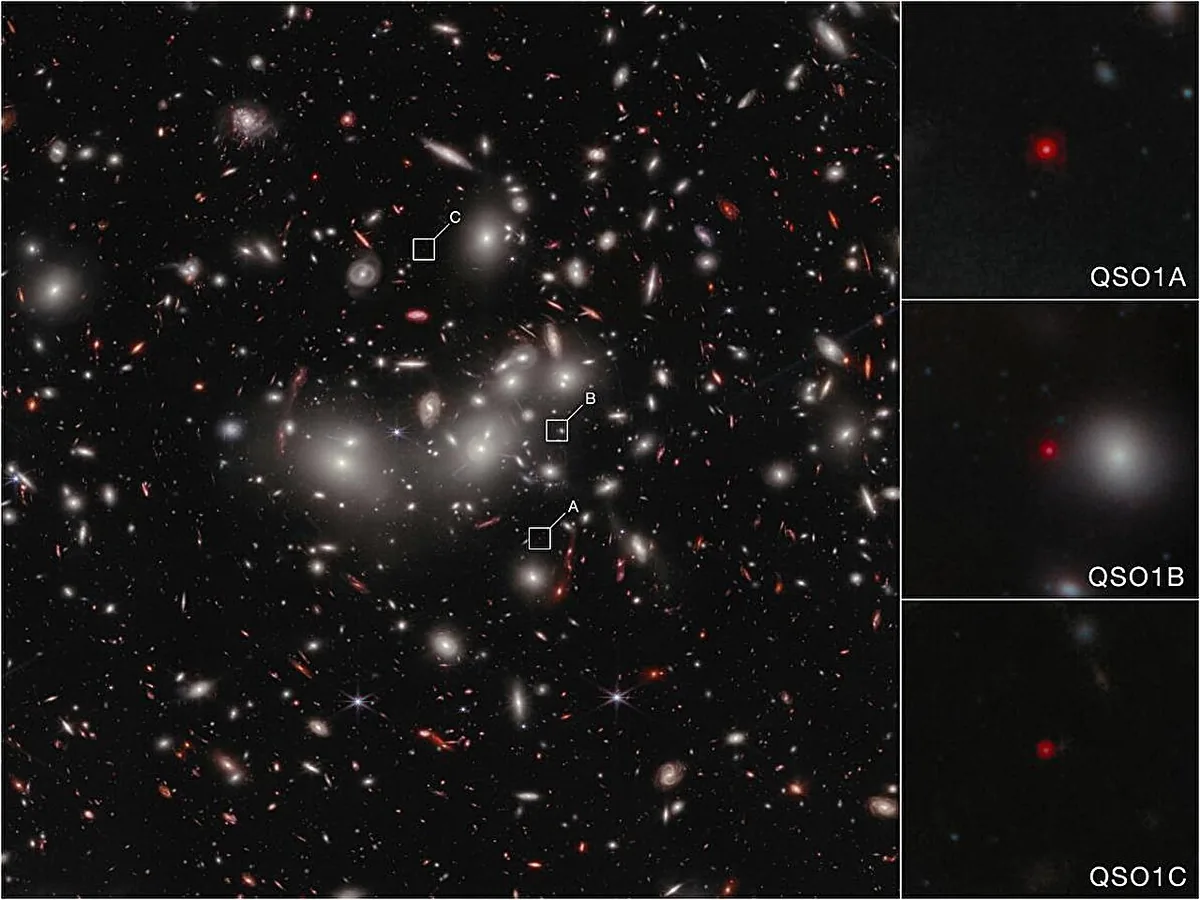
One of the open questions in astronomy remains how the first massive black holes formed so rapidly in the early universe. Recent observations by the James Webb Space Telescope (JWST) have revealed a candidate black hole in the early cosmos that appears to have grown at a faster rate than its host galaxy.
Observation Details and Mass Estimates
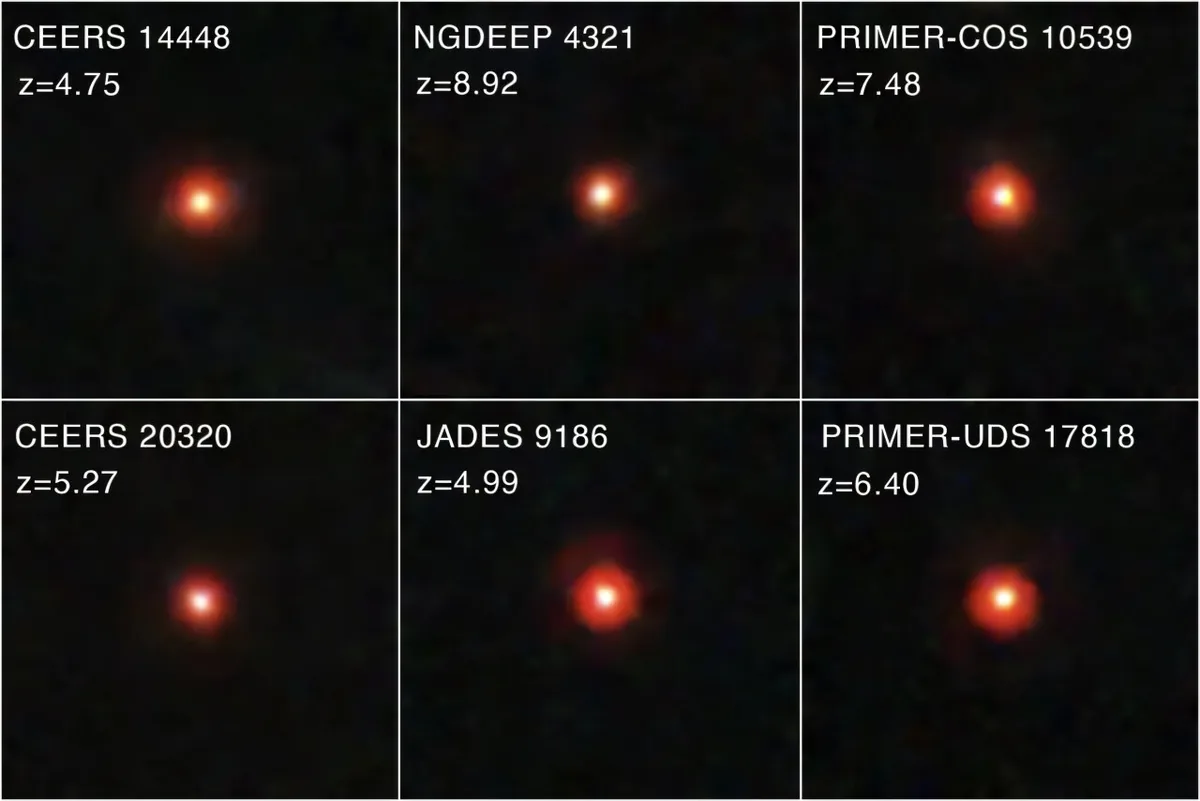
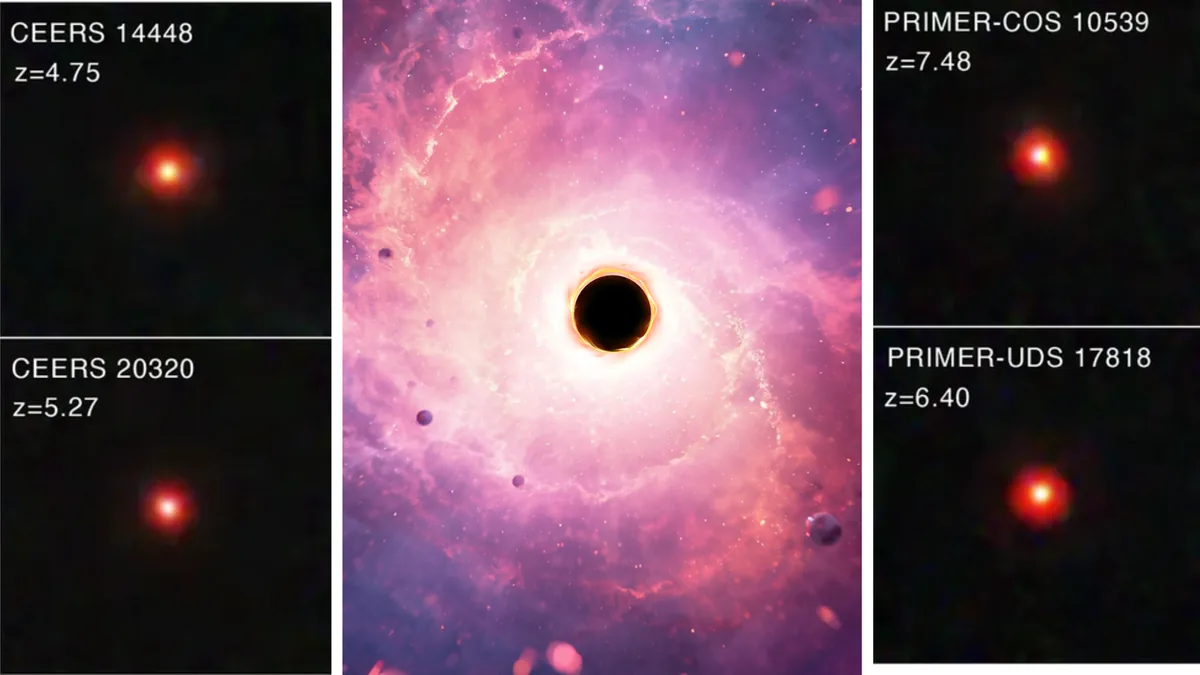
The observational data highlights black holes reaching approximately one billion solar masses within the first billion years of the universe. The capabilities of JWST indicate that such massive objects require extraordinary origin stories that diverge from standard cosmic growth models.
Impact on Cosmological Models
This finding deepens the theoretical debate regarding how early black holes and their host galaxies co-evolved. Discovering black holes that outgrew their surrounding galaxies could fundamentally alter our understanding of early cosmic structure formation and the seeds of supermassive black holes.
Comments
Loading comments...