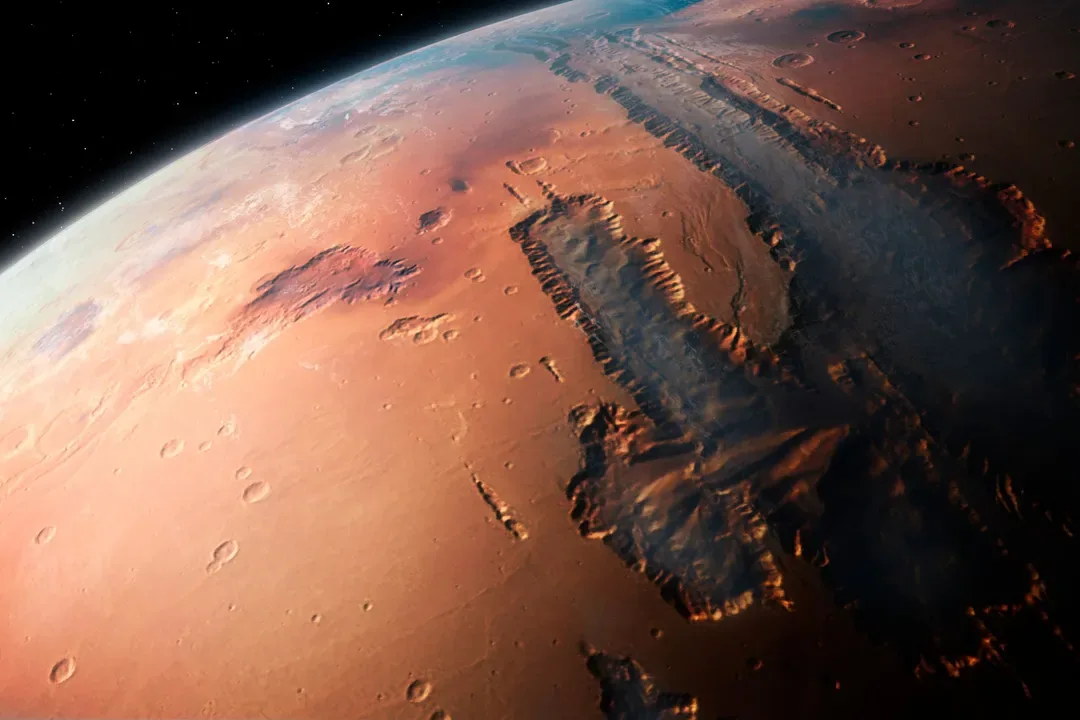
A Dynamic Surface on the Red Planet
The largest canyon system in the solar system is far from a frozen relic of the past. A collaborative study led by scientists at Imperial College London and Columbia University has revealed that this colossal Martian structure remains tectonically active and continues to shape the surface of Mars billions of years after its initial formation.
Tracing Contemporary Crustal Activity
By analyzing structural features, fault patterns, and surface morphology across the canyon system, researchers identified clear indicators of modern tectonic deformation. The measurements demonstrate that internal stresses within Mars continue to drive crustal movements, reshaping this vast geological landmark in the present era.
Implications for Martian Geophysics
These findings challenge the long-held assumption that Mars is a geologically dead world devoid of major internal dynamics. Recognizing ongoing tectonic activity provides crucial insights into the planet's cooling history and crustal behavior, guiding targets for upcoming geophysical orbital and surface missions.

Comments
Loading comments...