
Japan's Ambition Toward the Martian System
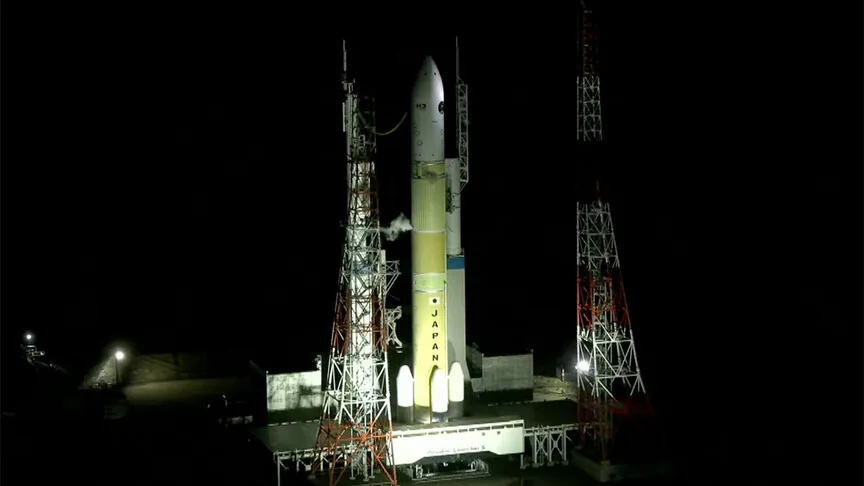
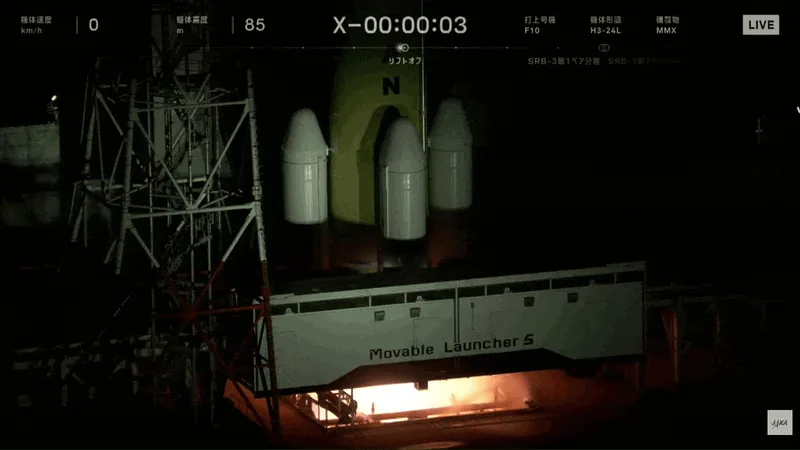
The Japan Aerospace Exploration Agency (JAXA) has successfully launched its Martian Moon eXplorer (MMX), initiating an ambitious journey toward Mars and its innermost moon, Phobos. The mission marks an important milestone in planetary exploration, setting its sights on resolving long-standing questions regarding the origin and evolution of the Martian moons.
Orbital Insertion and Surface Exploration
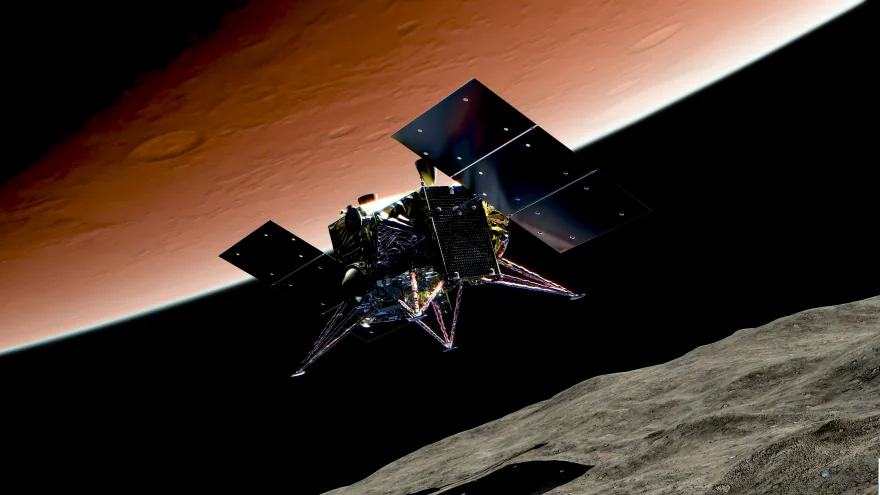
The spacecraft is scheduled to reach Mars in approximately six months. Upon arrival, it will spend around one month in orbit around the Red Planet before transitioning to a dedicated orbit around Phobos to prepare for scientific operations.
As part of its detailed orbital reconnaissance, MMX will deploy a small lander to the surface of Phobos. This deployable probe is tasked with scouting the terrain and helping mission controllers identify an optimal location for collecting surface regolith samples.
Return by 2031 and Scientific Horizons
The centerpiece of the MMX mission is its sample-return capability. The regolith gathered from Phobos is slated to arrive on Earth by 2031, providing planetary scientists with pristine extraterrestrial material. These samples are expected to shed unprecedented light on whether Phobos represents a captured asteroid or accretion debris from a giant impact on Mars.

Comments
Loading comments...