An Unexpected Observational Loss
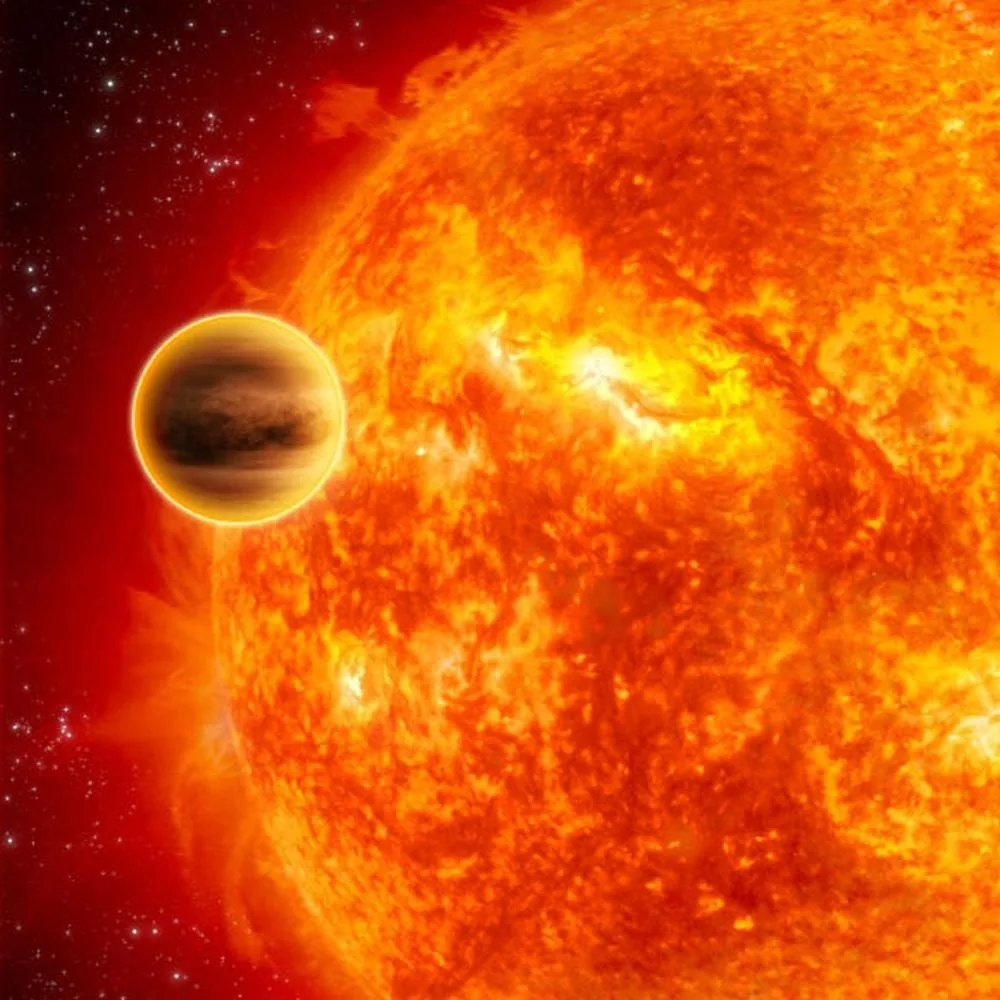
NASA's Transiting Exoplanet Survey Satellite (TESS) observed a gas giant roughly 1,000 light-years away as it consistently transited its host star for seven years. Belonging to the hot Jupiter category, the planet periodically dimmed the star's light from our viewpoint. However, astronomers were surprised when these transits suddenly ceased. Because planets do not simply disappear, researchers launched a detailed investigation to uncover the physical cause behind the interruption.
Observation Details and Orbital Wobble
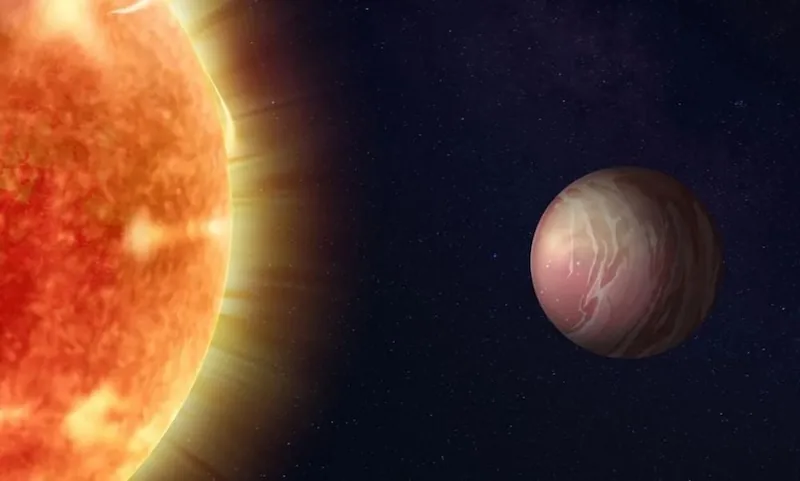
Analyzing the photometric light curves, the astronomical team determined that the planet had not vanished, but rather slipped out of our line-of-sight alignment. The data revealed the presence of an unseen, massive companion planet within the same system. This nearby giant exerted a strong gravitational tug, causing the hot Jupiter's orbit to wobble and alter its inclination, ultimately carrying it beyond the reach of TESS's transit detection capability.
Scientific Significance and Future Plans
This discovery provides critical insight into the complex gravitational interactions and orbital evolution occurring within multi-planet systems. By proving that transiting exoplanets can dynamically drift out of view, the event highlights the need for long-term orbital tracking and dynamic modeling. Researchers plan to perform follow-up radial velocity measurements to constrain the exact mass and orbital characteristics of the hidden giant companion.

Comments
Loading comments...