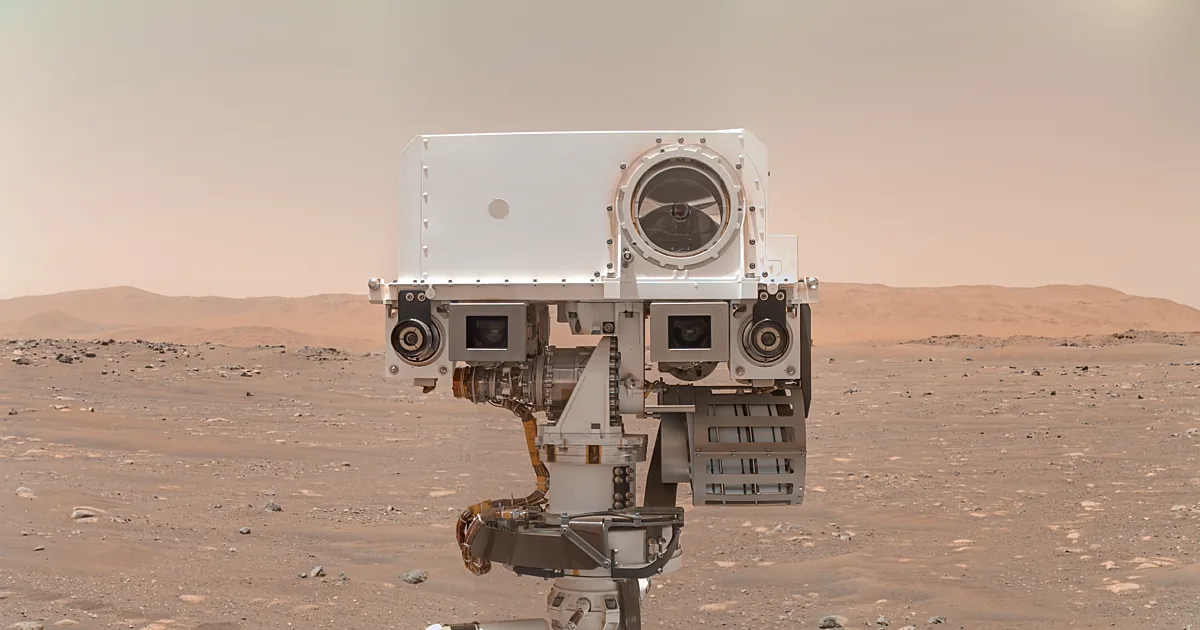
Perseverance Rover's Milestone Sample Collection
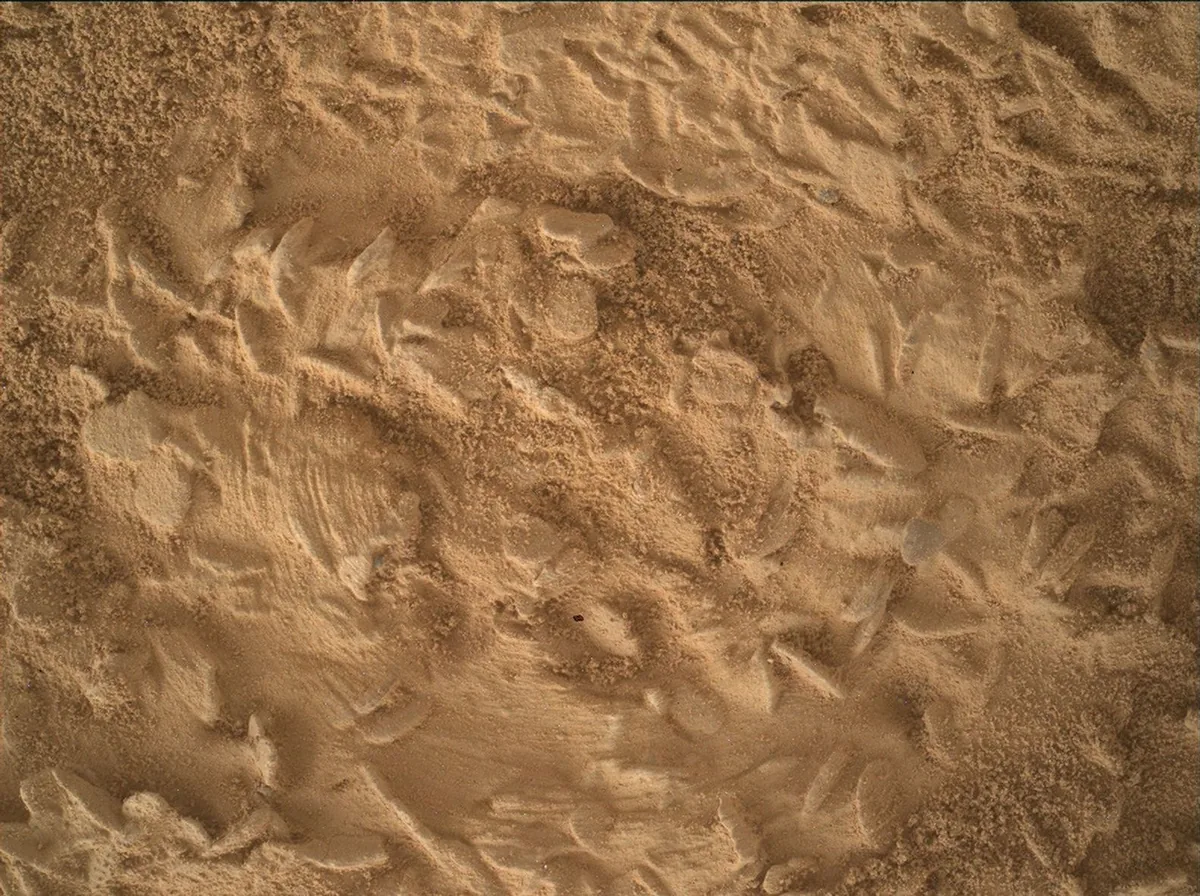
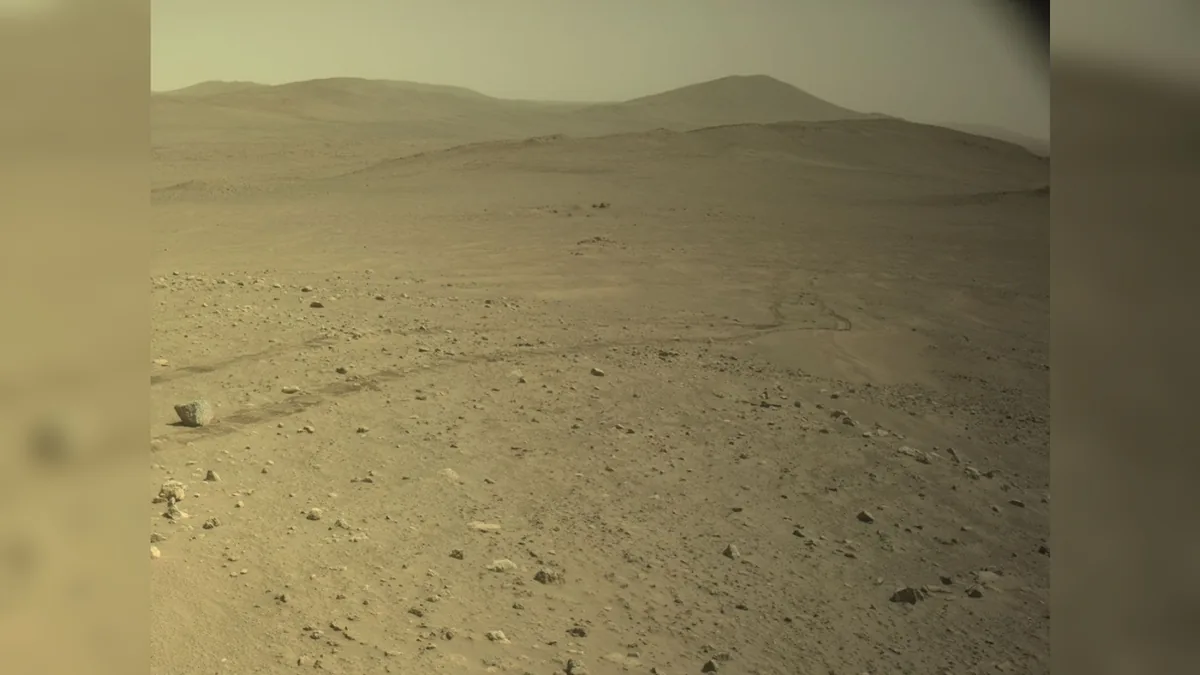
NASA's Perseverance rover has successfully drilled and cached a potentially historic rock core from the Martian surface, offering a window into the planet's deepest geological past. Operating in an ancient terrain, the robotic explorer targeted a resilient rock exposure selected for its exceptional age and pristine preservation. Dubbed 'Singita' by the mission science team, the sample represents one of the oldest rock targets ever cored on the Red Planet.
Age Estimates and Geological Context of Singita
Initial geological context and orbital mapping indicate that the Singita formation may be more than 3.9 billion years old. This era coincides with the tail end of the Solar System's Late Heavy Bombardment, a critical window when Mars possessed warmer, wetter surface environments. Using its percussive coring drill, Perseverance hermetically sealed the rock core inside an ultra-clean sample tube, preserving its mineral fabric and elemental signatures for detailed chemical characterization.
Significance for Planetary History and Astrobiology
Securing a sample of such antiquity is of prime scientific importance, as dynamic plate tectonics on Earth have destroyed nearly all rocks from that early epoch. Singita provides an unweathered archive of early planetary crust formation, volcanic activity, and potential ancient habitable conditions. As part of the planned Mars Sample Return campaign, this pristine core will eventually undergo high-precision isotopic and geochemical analysis in laboratories on Earth.
Comments
Loading comments...