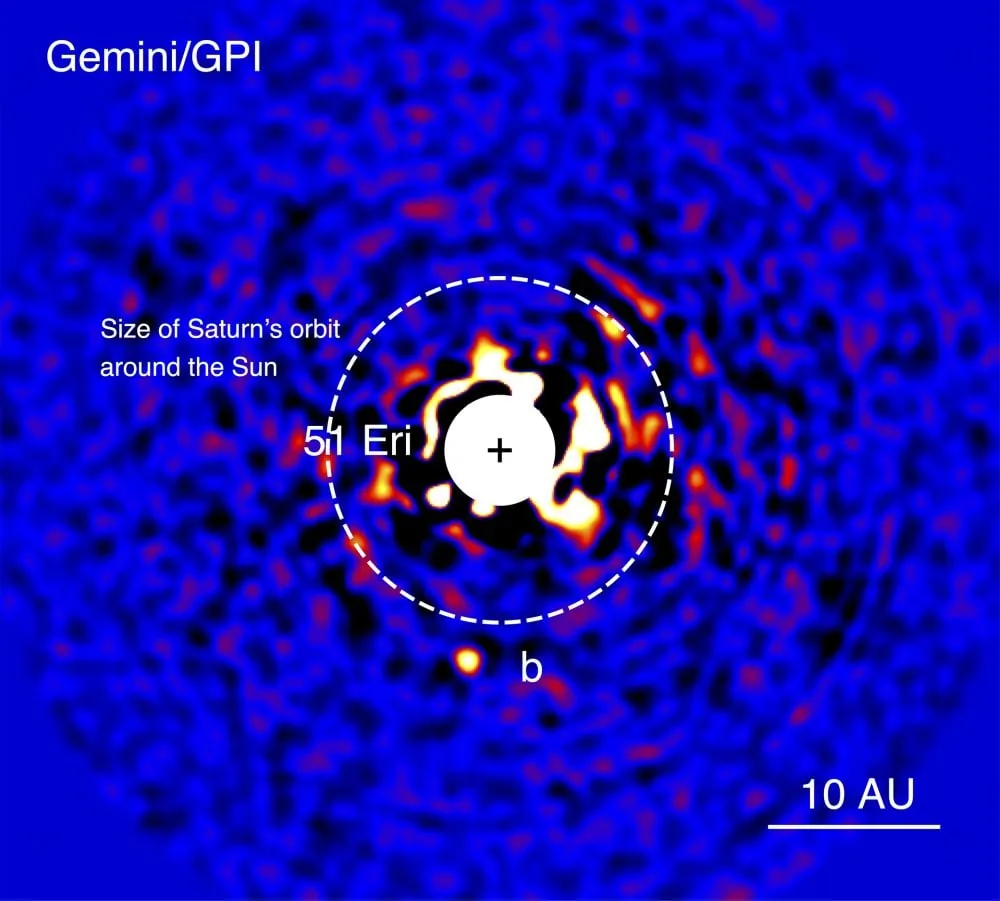
A Major Leap in Exoplanet Imaging
Detecting faint exoplanets obscured by the overwhelming glare of their host stars remains one of the greatest challenges in modern observational astronomy. To tackle this, telescopes rely on coronagraphs—specialized optical masks designed to block out direct starlight. However, even hardware coronagraphs have physical limitations that leave residual scattered light, hiding smaller or dimmer planetary companions.
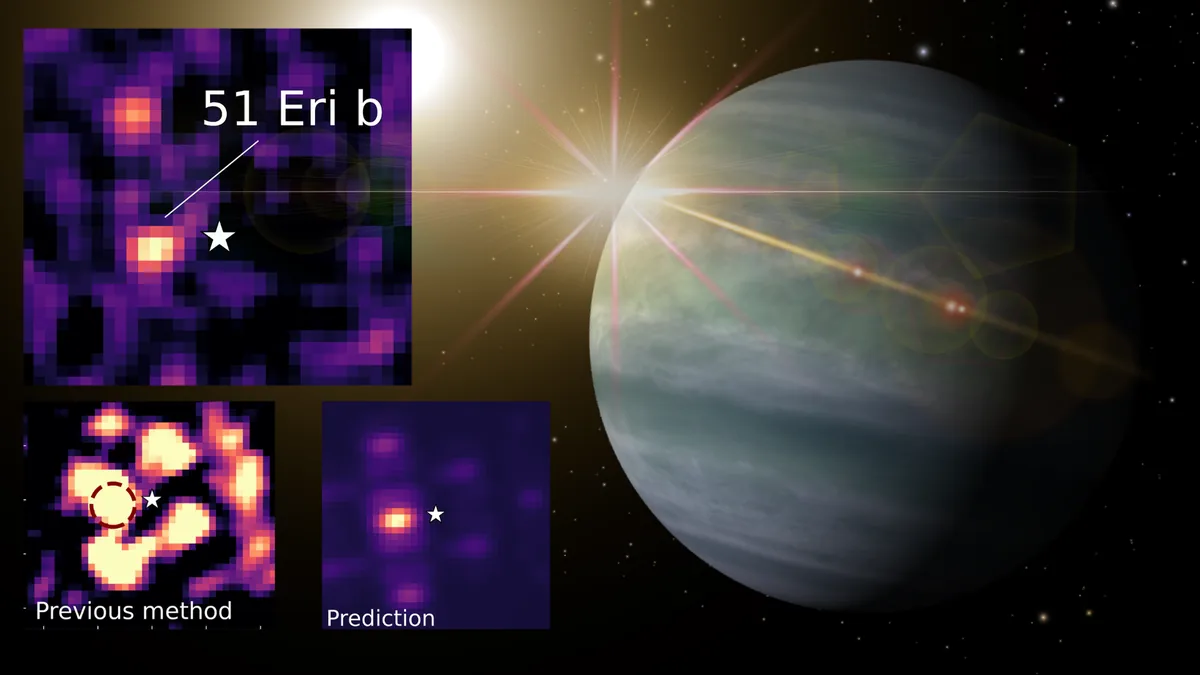
Researchers working with the James Webb Space Telescope (JWST) have now developed a novel technique that overcomes these hurdles. This method allows astronomers to extract signatures of faint exoplanets from background starlight with unprecedented ease and accuracy.
Technical Mechanism and Data Processing
The newly devised technique integrates advanced data modeling with JWST's high-precision infrared instrumentation. By mathematically isolating and removing optical artifacts and residual starlight that escape physical coronagraph masks, the methodology reveals faint signals previously buried in noise.
This analytical approach dramatically enhances the contrast limits of direct imaging. As a result, exoplanets located close to their parent stars or those emitting very faint radiation can now be detected more efficiently than ever before.
Impact on Planetary Science and Future Targets
The ability to spot dim exoplanets hidden within stellar glare opens up exciting avenues for planetary discovery. It provides astronomers with a refined tool to survey planetary systems that were previously inaccessible due to contrast constraints.
Moving forward, researchers intend to apply this innovative technique to upcoming JWST observational cycles. The strategy will help characterize a broader range of exoplanets, shedding new light on system architectures throughout the galaxy.

Comments
Loading comments...