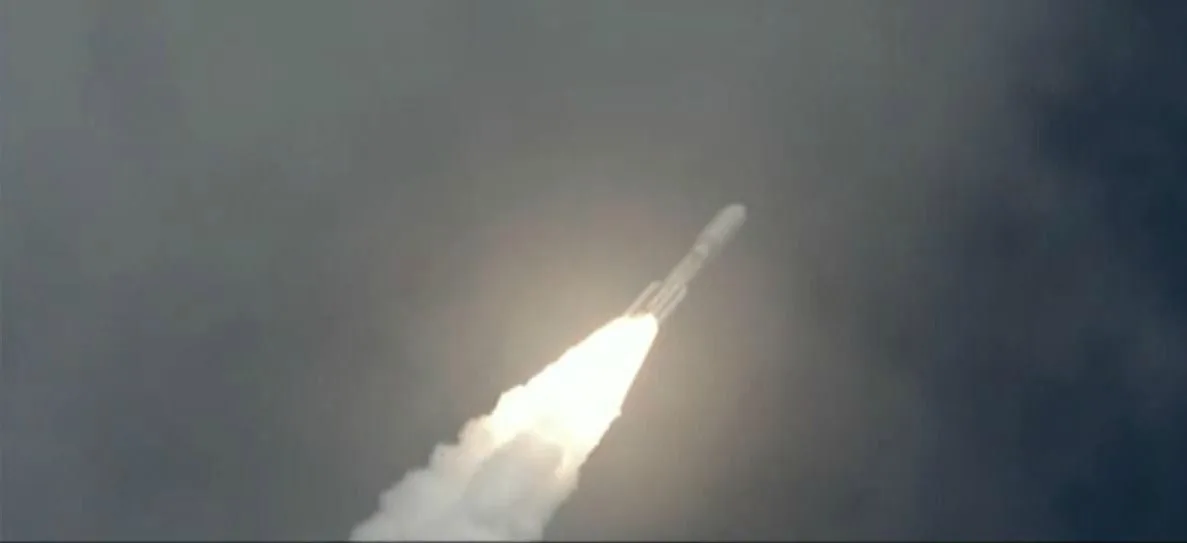
A Historic Journey to the Red Planet
On November 26, 2011, NASA launched the 2-ton Curiosity rover as part of its Mars Science Laboratory mission. Powered by a nuclear energy source, the advanced rover embarked on its ambitious quest to investigate the past habitability and environmental conditions of the Red Planet.
Technical Design and Nuclear Power
Equipped with a nuclear power generator, Curiosity was designed to operate continuously in harsh Martian conditions without relying on solar panels. Its 2-ton mass and sophisticated onboard scientific instruments made it one of the most complex rovers ever sent to Mars.
Scientific Legacy and Importance
The launch of Curiosity in 2011 opened a brand-new chapter in planetary science and Mars exploration. The rover's mission to detect signatures of past water and chemical building blocks provided crucial foundational data for subsequent Mars exploration and future human missions.

Comments
Loading comments...