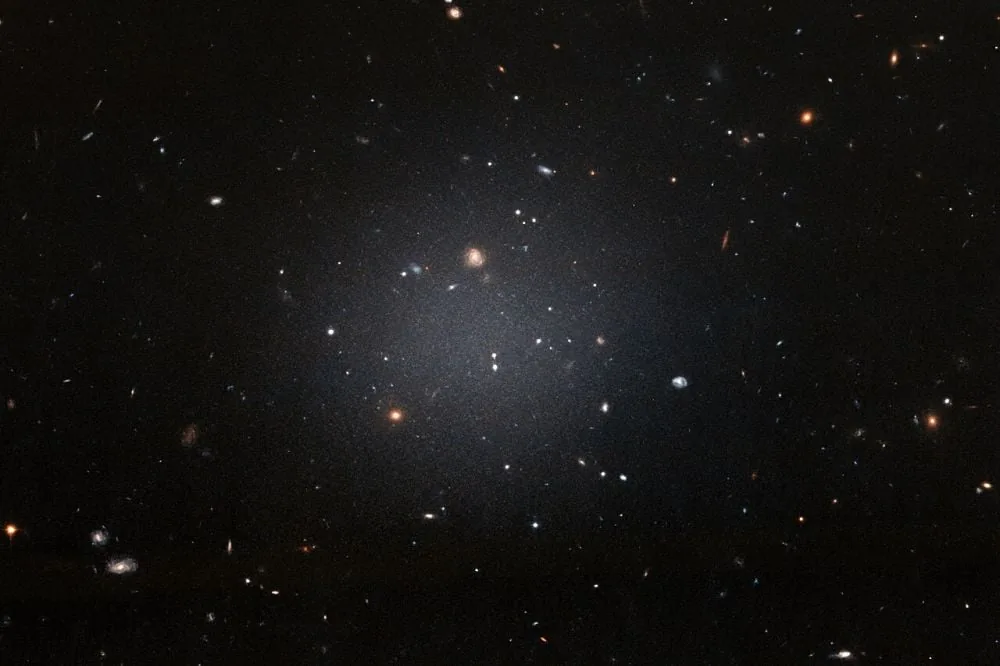
Vast Structures with Strikingly Few Stars
Ultra-Diffuse Galaxies rank among the most enigmatic cosmic structures observed by astronomers in modern astrophysics. While these systems boast physical diameters comparable to our own Milky Way, they contain only a tiny fraction of its stellar population. Appearing remarkably puffed up and sparse, their unusual nature poses significant challenges to conventional models of galaxy formation.
A Proposed Instrument for the Extremely Large Telescope
To unravel what is truly happening inside these bizarre galaxies, astronomers have proposed a new dedicated instrument for the Extremely Large Telescope (ELT). Once implemented, this cutting-edge capability is poised to give researchers their clearest and most detailed view yet of these ultra-diffuse targets, probing their elusive inner properties with unprecedented sensitivity.
Testing the Standard Lambda-CDM Cosmological Model
Determining the physical mechanisms at play in Ultra-Diffuse Galaxies carries profound implications for cosmology, particularly for testing and confirming the standard Lambda-CDM model. By analyzing how matter and dark matter are distributed within these puffed-up systems, observations from the new ELT instrument could deliver definitive answers regarding the validity of current cosmological paradigms.

Comments
Loading comments...