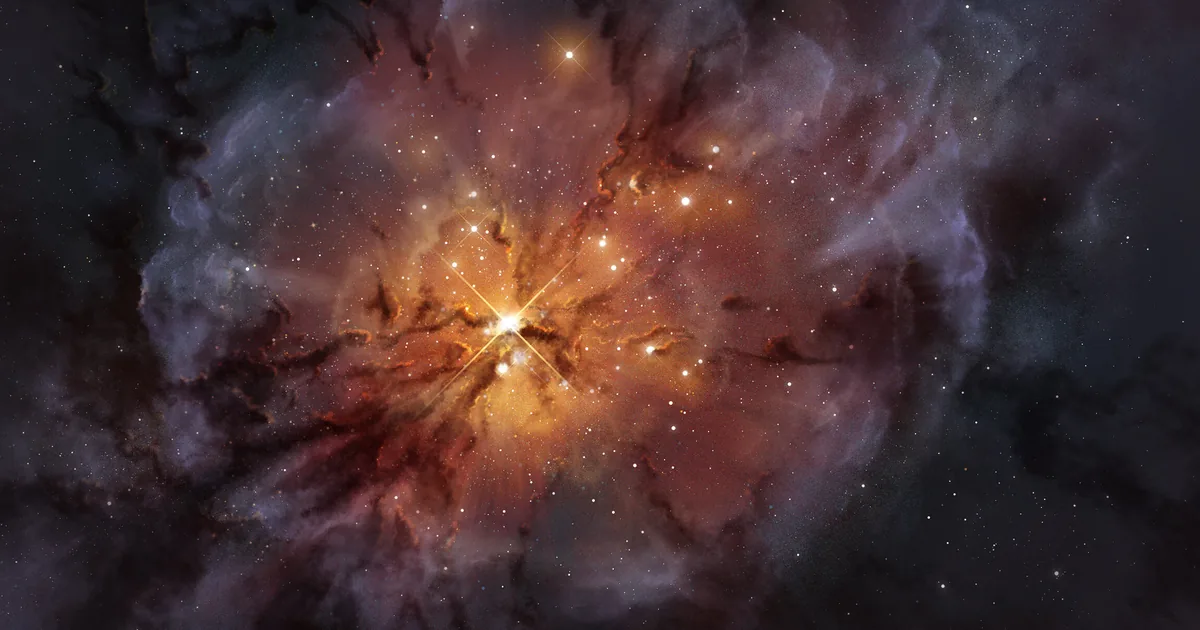
Unexpected Density of Galaxies in the Early Universe
When astronomers examined images of the early universe captured by the James Webb Space Telescope, they encountered a puzzling phenomenon. The collected data revealed an unexpected overabundance of remarkably bright galaxies existing during the cosmic dawn.
Observational Details from James Webb
Based on previous scientific understanding of the early universe, such extremely bright galaxies should have been far less common in the few hundred million years following the Big Bang. However, high-precision observations from the James Webb Space Telescope showed that these luminous systems were much more widespread than theories predicted, where light-propelled winds play a key role in explaining their appearance.
Scientific Implications for Cosmic Models
This discovery forces astrophysicists to re-evaluate theoretical models regarding early galaxy evolution. Research teams are continuing to analyze telescope data to determine how galaxies illuminated so rapidly after the Big Bang and what physical mechanisms drove their early development.

Comments
Loading comments...