The Conclusion and Legacy of a Historic Mission
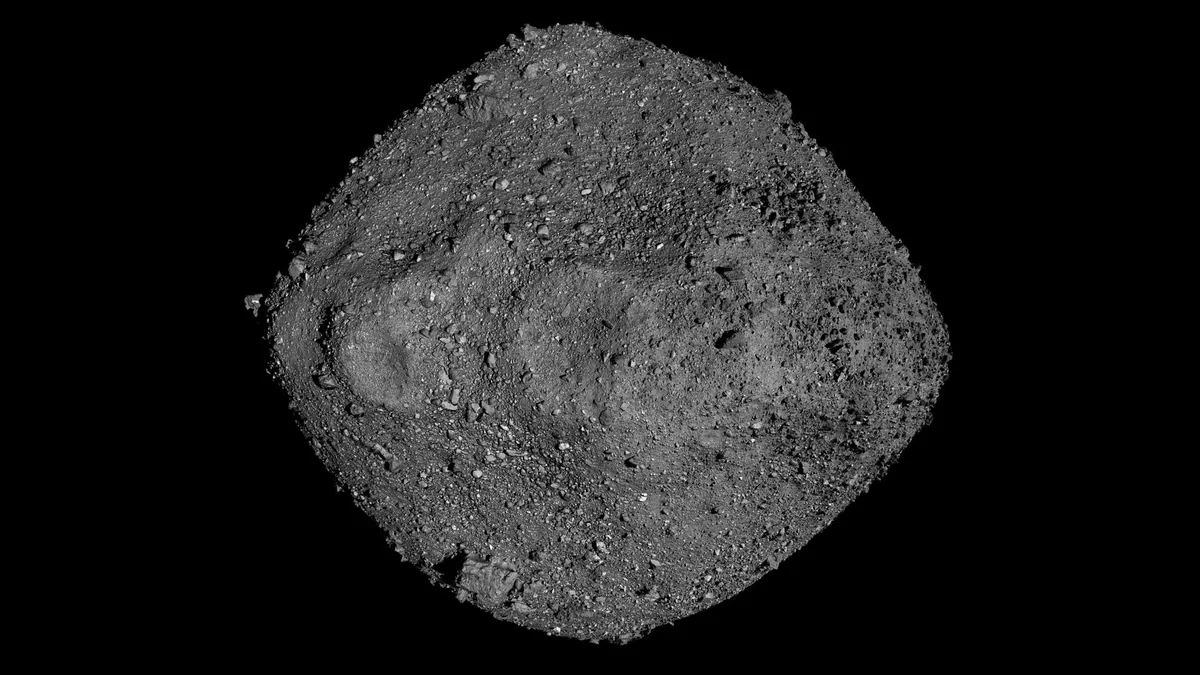
NASA's OSIRIS-REx asteroid-sampling mission officially came to a close on September 30, 2026, marking the end of a pivotal chapter in modern space exploration. The mission team and NASA leadership expressed immense pride in the technical milestones achieved over the multi-year journey. Following years of meticulous flight dynamics, proximity operations, and sample collection, the spacecraft fulfilled its primary objectives and permanently cemented its place in deep-space exploration history.
Sample Recovery and Ongoing Laboratory Analysis
OSIRIS-REx successfully delivered its sample return capsule containing pristine asteroid material back to Earth. With the formal end of the primary flight mission, scientific focus has shifted entirely to terrestrial curation and analytical facilities. Researchers are performing intricate chemical, mineralogical, and structural measurements on the retrieved space rock fragments, utilizing advanced spectroscopic and microscopic instrumentation to catalog the pristine cosmic grains without contamination.
Implications for Planetary Science and Future Research
The pristine materials returned by OSIRIS-REx provide an uncontaminated window into the raw building blocks that formed the early solar system billions of years ago. By comparing these physical specimens to astronomical observational data and physical models, scientists are refining theories regarding planetary formation and evolutionary dynamics. NASA emphasized that these extraterrestrial samples will continue to serve as a vital scientific resource, feeding laboratory investigations worldwide for decades to come.


Comments
Loading comments...