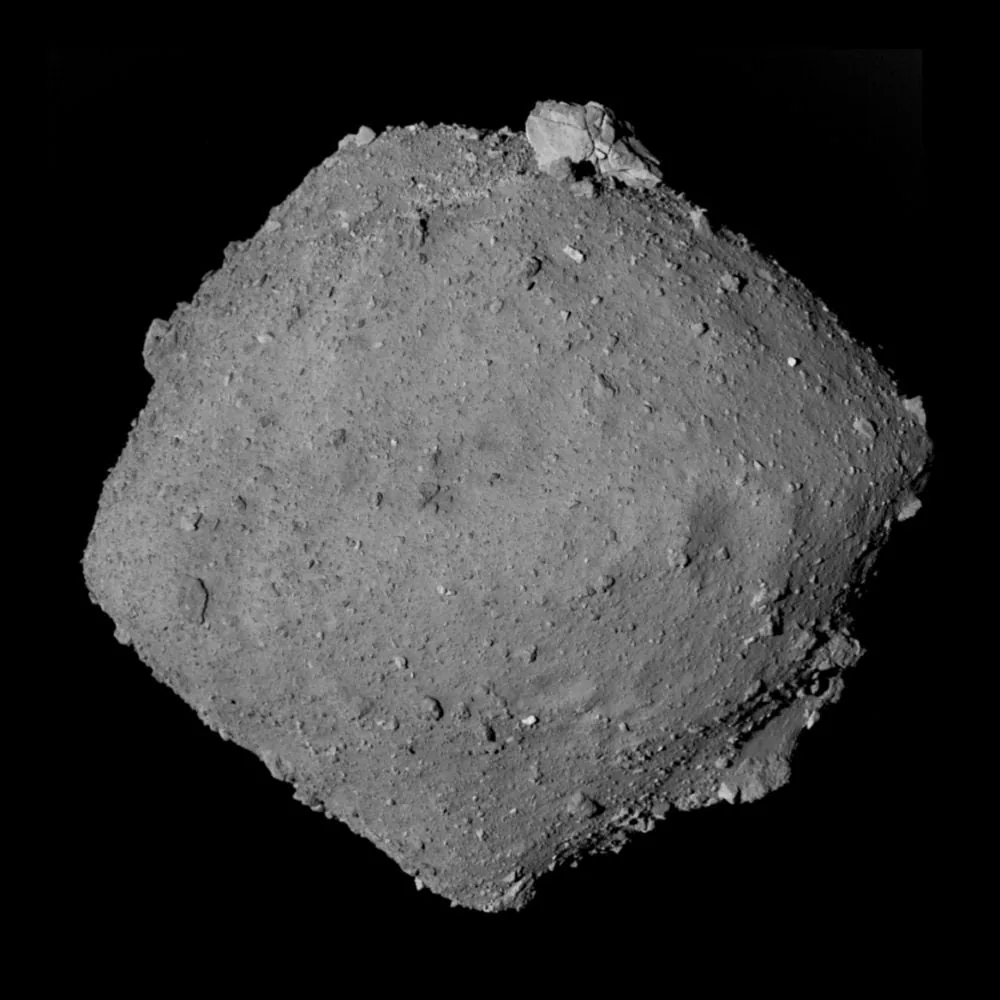
The Mystery of Ryugu Samples and Carbonaceous Chondrites
Samples returned from asteroid Ryugu by Japan's Hayabusa2 mission and carbonaceous chondrite meteorites that crashed on Earth had long presented a puzzle for scientists. The fine-grained matrices in both sources possessed widely varying compositions of clay-like minerals, creating a clear contradiction. This suggested the existence of vastly different aqueous environments within the same parent bodies, a scenario previously deemed unlikely.
Mineral Compositions and Analytical Findings
In a new study utilizing advanced laboratory analysis, researchers examined these fine-grained matrix structures in detail. The resulting data shed light on the formation mechanisms of differing clay mineral compositions. Scientists successfully resolved the apparent contradiction by proving that fluid interactions and mineral alterations inside parent asteroids underwent more nuanced processes than previously assumed.
Impact on Early Solar System Models and Water Evolution
By resolving the contradiction of disparate aqueous environments on a single parent body, this research provides a significant step forward in understanding the chemical evolution of asteroids and the early solar system. These findings refine current models regarding the presence and distribution of water in early planetary building blocks and offer a crucial baseline for analyzing future asteroid samples.
Comments
Loading comments...