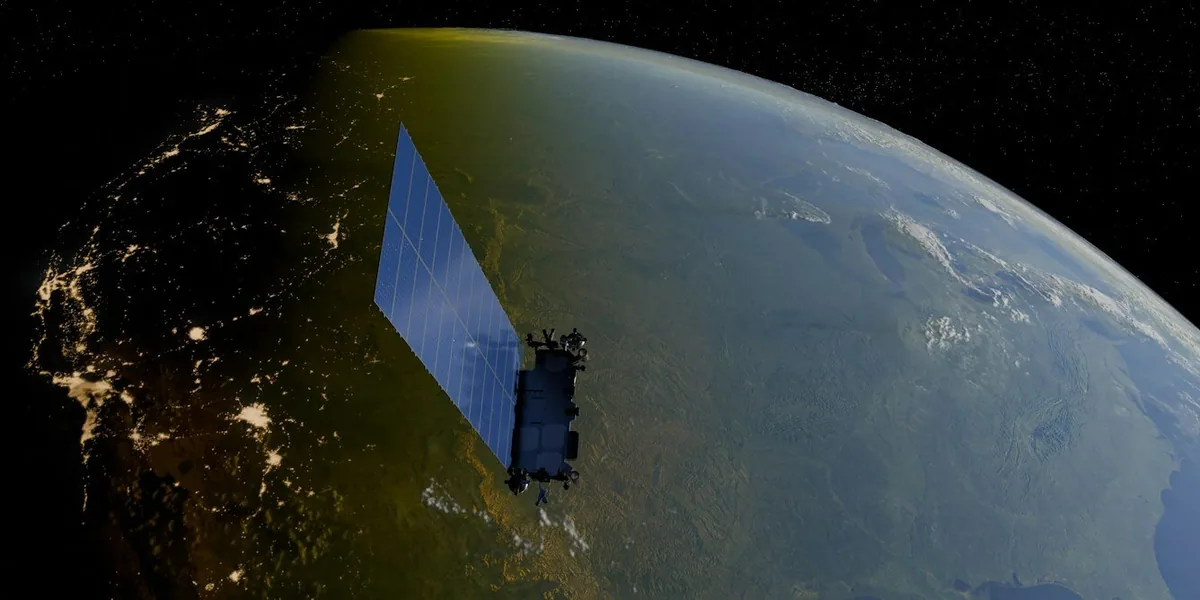
A Dramatic Surge in Orbiting Satellites
The volume of artificial objects orbiting Earth has increased at an unprecedented pace in recent years. Less than a decade ago, there were roughly 2,000 operational satellites in orbit, whereas today that figure has surpassed 15,000. Plans are already underway to launch millions of additional satellites in the coming years.
Interference with Telescopes and GPS Systems
This rapid increase in satellite constellations has led to noise leakage that interferes with sensitive astronomical telescopes and critical GPS navigation systems. Unintended signals emitted by these satellites compromise precision astronomical measurements and satellite-based positioning infrastructure.
Mitigation Strategies and Potential Solutions
Researchers and engineers are actively seeking solutions to mitigate the noise pollution caused by orbital congestion. Refining satellite design standards and developing technologies to suppress signal leakage are crucial steps to safeguard both astronomical research and terrestrial positioning networks.

Comments
Loading comments...