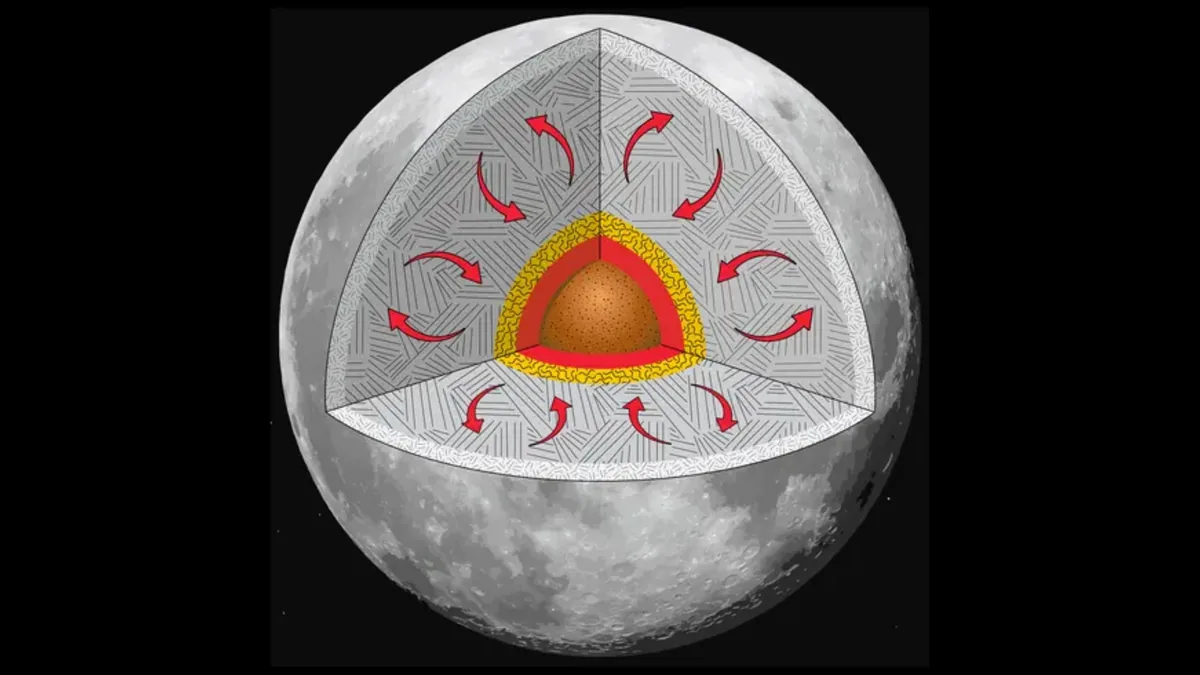
A Cooling Planetary Body
The Moon formed roughly 4.5 billion years ago following a massive collision between a protoplanetary body and the young Earth. Since that violent beginning, its interior has been gradually cooling down. As thermal energy dissipates, the lunar interior contracts, driving a slow but steady planetary shrinkage process across geological timescales.
Analyzing Over 10,000 Lunar Faults
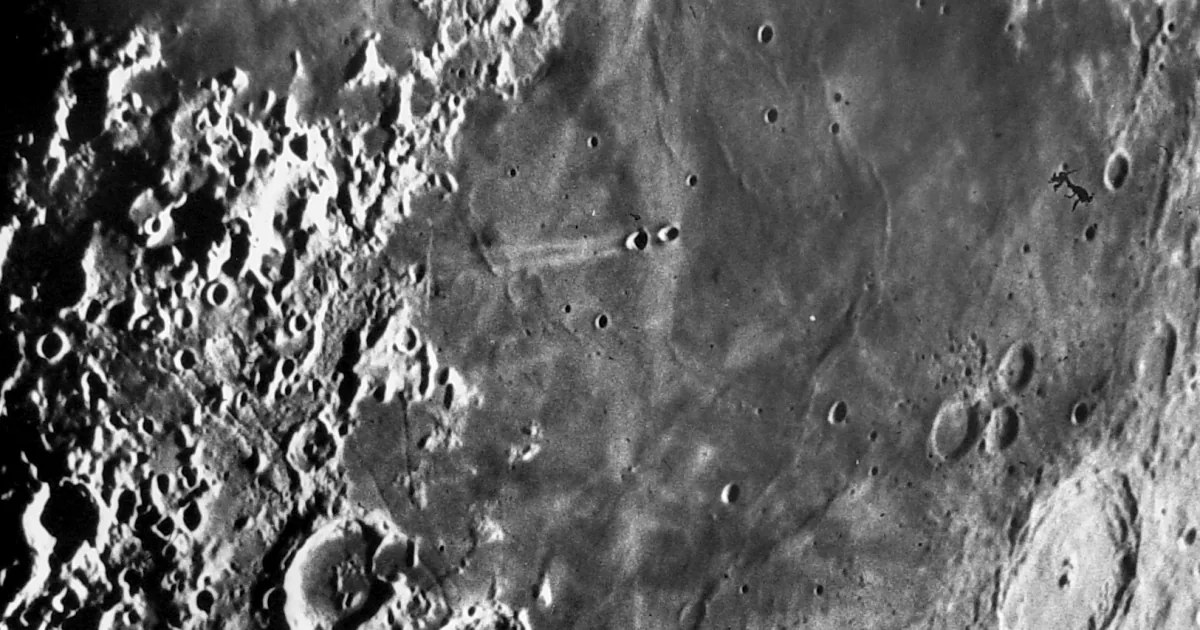
Using high-resolution imagery from the Lunar Reconnaissance Orbiter Camera (LROC), researchers mapped more than 10,000 young faults and surface fractures across the Moon. By measuring the displacement along these thrust faults, the team calculated that the Moon's radius has diminished by roughly 148 feet (45 meters) over the past 400 to 800 million years.
Implications for Future Lunar Exploration
The continuous contraction of the Moon generates shallow moonquakes and structural stress along fault lines. Understanding this tectonic activity is essential for selecting safe landing sites and long-term infrastructure locations for future robotic and crewed exploration campaigns.


Comments
Loading comments...