astronews
Settings My profile TR

Phys.orgImportance

JWST and ALMA reveal a dusty, rapidly growing black hole in the early universe

JWST and ALMA reveal a dusty, rapidly growing black hole in the early universe
Image: Phys.org

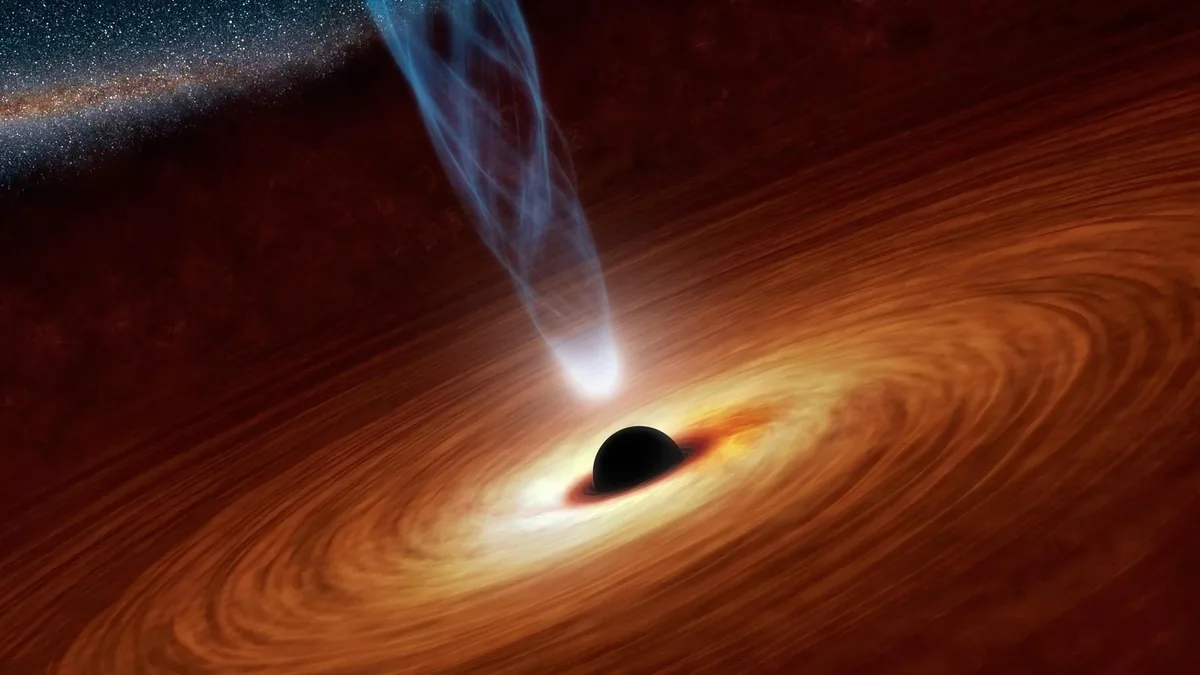
JWST and ALMA have discovered a rapidly growing black hole in the early universe. This supermassive black hole has a mass of about 1.1 billion suns and is located at a redshift of 6.5488.

Background of the Discovery

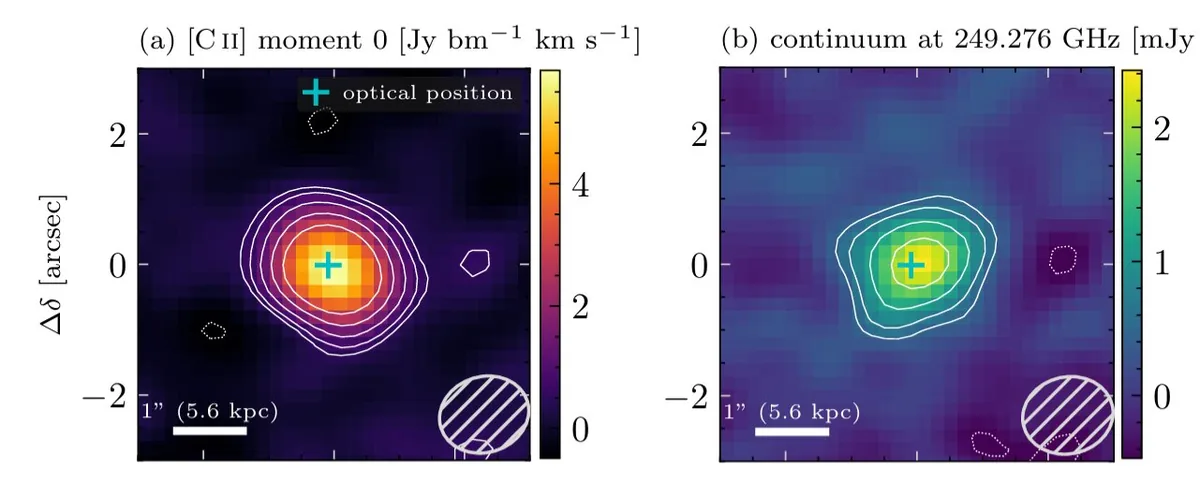
A new study has revealed a dust-reddened quasar from a time when the universe was less than a billion years old. The object J1440+0019 contains a rapidly accreting supermassive black hole with a mass of about 1.1 billion suns.

Observation and Measurement Details

The JWST and ALMA telescopes have observed the spectrum of this quasar, determining that the black hole is rapidly growing. This discovery is an important step in understanding how supermassive black holes formed and grew in the early universe.

Scientific Significance of the Discovery

This discovery expands our knowledge of the formation and growth of supermassive black holes in the early universe. It also provides new targets for future observations and is seen as an important step in solving the mysteries of the universe.

Read at source
Comment

Something wrong with this story? Report it

Comments

Loading comments...

Choose your city

Sunrise, sunset and the sky chart follow the city you choose.

Pages

NewsFeedSkyObservatorySpacecraftGalleryAcademicAssistantThe weekArchiveAboutMy profileSettings

Topics

Solar SystemMarsMoonSunExoplanetsStarsGalaxiesBlack holesCosmologyComets & asteroidsTelescopesMissionsSky eventsSearch for lifeTürkiye

Legal

Terms of UsePrivacy PolicyKVKK NoticeCookie PolicyPrivacy PreferencesFeedback