Autonomous Terrain Clearing for Future Missions
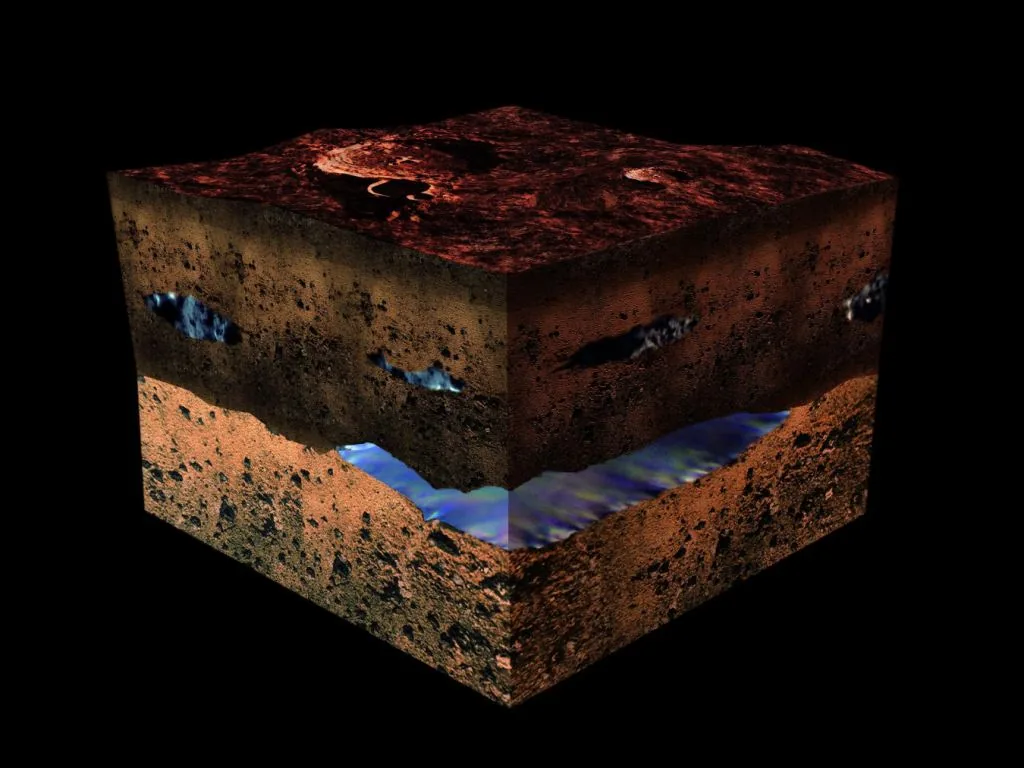
In space exploration, ensuring that autonomous robots safely navigate challenging surface terrain is of vital importance. Mechanical engineering assistant professor Erik Komendera has developed an innovative method designed to help future robotic missions clear surface obstacles much more efficiently. The technique focuses on detecting rocks buried beneath the soil of planetary bodies.
Combining Vibrations and Artificial Intelligence
The new method integrates physical vibrations with artificial intelligence algorithms. By analyzing vibration patterns generated during ground contact, the system determines exactly how deeply a rock is buried. This capability enables autonomous rovers to estimate obstacle depth and dynamically adjust their path planning.
Impact on Future Planetary Exploration
The success of this technology could directly enhance the mobility of autonomous vehicles deployed to the Moon, Mars, or other worlds. Identifying deeply buried rocks minimizes the risk of getting stuck or sustaining mechanical damage, thereby extending mission lifespans and ensuring safer surface exploration.
Comments
Loading comments...