The Taurid Meteor Shower and the 2026 Scenario
Astronomers continue to monitor the potential hazards associated with the Taurid meteor stream, which crosses Earth's vicinity every autumn. According to a new assessment, the intersection of this debris trail with Earth's orbit in 2026 might elevate the probability of larger fragments interacting with our atmosphere. The researcher notes that this encounter could carry an increased risk of an atmospheric airburst caused by disintegrating meteoroids.
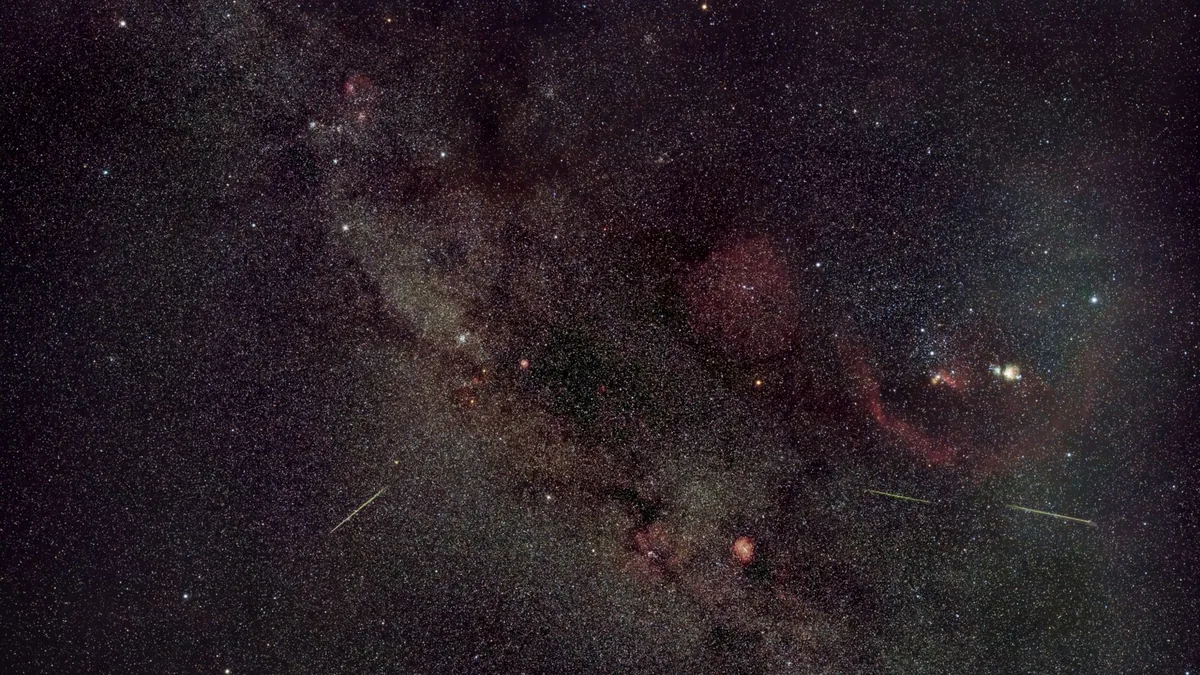
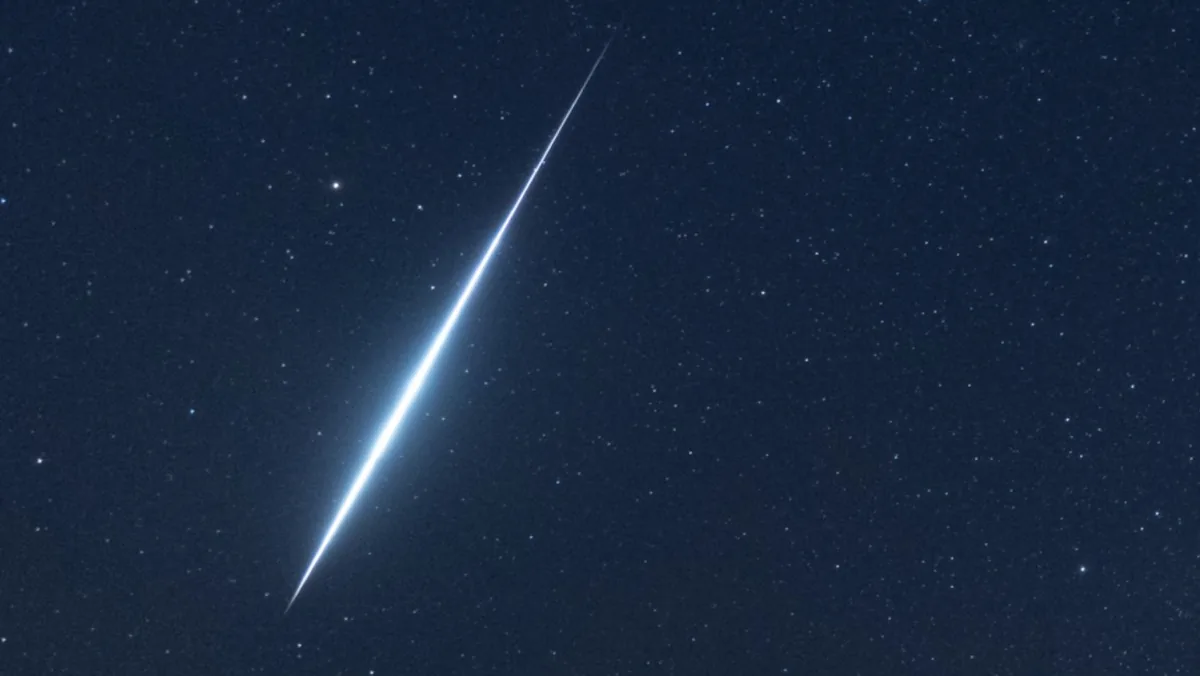
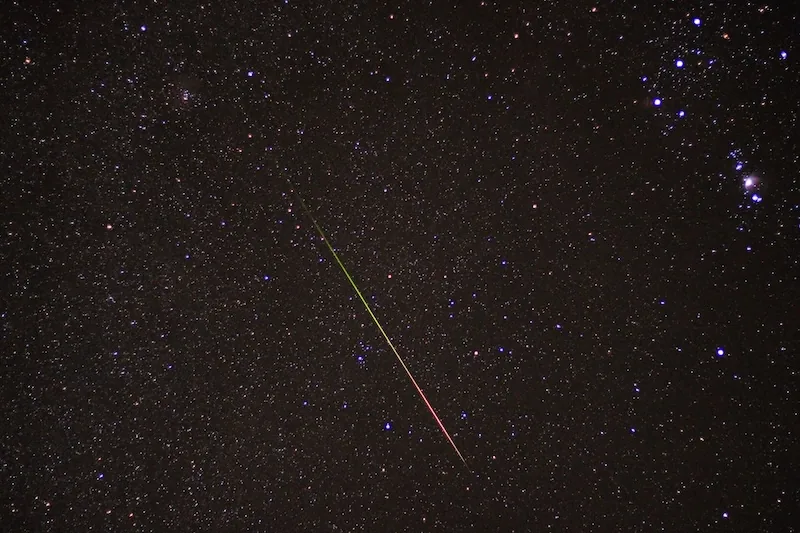
Often referred to as Halloween fireballs, the meteors in this stream are famous for producing exceptionally bright streaks across the night sky. However, the scenario discussed for 2026 looks beyond mere visual displays, considering whether larger objects embedded within the stream could pose tangible dynamic hazards during entry.
Fireballs and Potential Airburst Hazards
Planetary defense models indicate that airbursts occurring high in the atmosphere can release powerful shockwaves without leaving a primary surface impact crater. The possibility of Earth passing through a denser, boulder-rich segment of the Taurid complex has long intrigued researchers. The 2026 analysis seeks to quantify whether such an orbital geometry could actually materialize.
Crucially, this warning is far from a certainty. Scientists stress that the hypothesis relies on two significant preconditions that remain unverified. The actual concentration of larger fragments within the stream and their precise trajectories remain uncertain, meaning the calculated hazard is purely conditional at this stage.
Observational Uncertainties and Future Follow-Ups
Whether this potential risk manifests depends entirely on resolving the two major uncertainties identified in the study. Without definitive observational confirmation of large bodies in the projected path, the threat level remains theoretical. Planetary defense teams plan to utilize wide-field surveys and orbital tracking to probe the stream more deeply as the date approaches.
Subsequent observational campaigns ahead of 2026 will be essential to establish whether the Taurid debris field poses any genuine hazard to Earth. For now, researchers emphasize rigorous observational monitoring over alarm, using the prediction as a guide for targeted celestial surveys.
Comments
Loading comments...