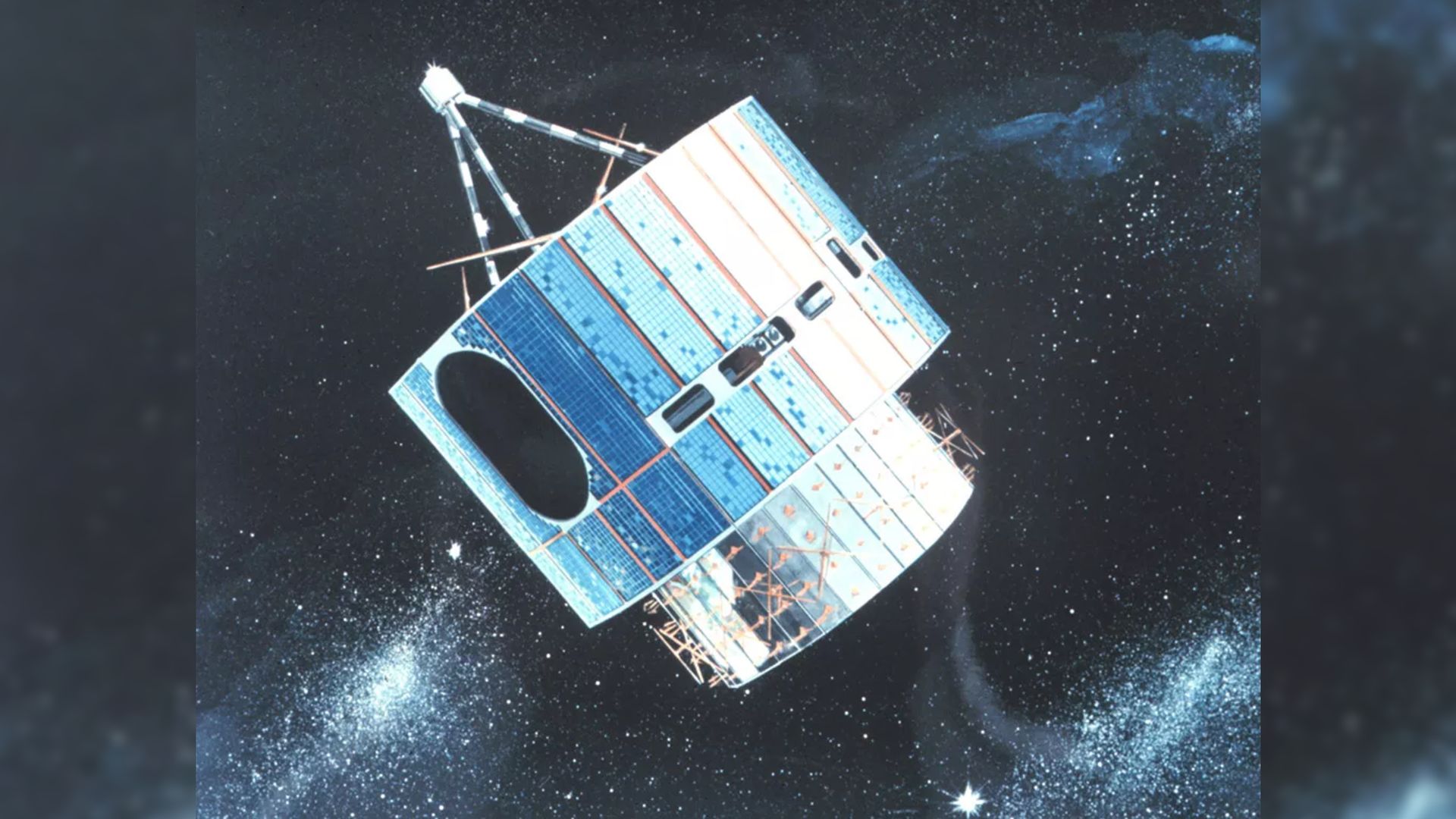
A Milestone in Meteorological Satellites
On October 16, 1975, NASA successfully launched the first operational GOES (Geostationary Operational Environmental Satellite) weather satellite, designed to observe our dynamic planet from space. The mission marked a transformative step forward in enhancing weather forecasting reliability and tracking large-scale atmospheric phenomena in real time.
Continuous Observation from Geostationary Orbit
Placed into a geostationary orbit, the first GOES spacecraft moved in sync with Earth's rotation, enabling continuous coverage over fixed regions. Equipped with early imaging instruments, it provided vital visual and radiometric data on developing storm systems, cloud patterns, and sudden atmospheric developments directly to monitoring stations.
The Legacy for Modern Weather Forecasting
This inaugural GOES mission laid the technical and operational groundwork for subsequent generations of advanced Earth observation satellites. By proving the viability of continuous orbital weather surveillance, it established the framework that still underpins modern global forecasting and disaster warning networks today.


Comments
Loading comments...