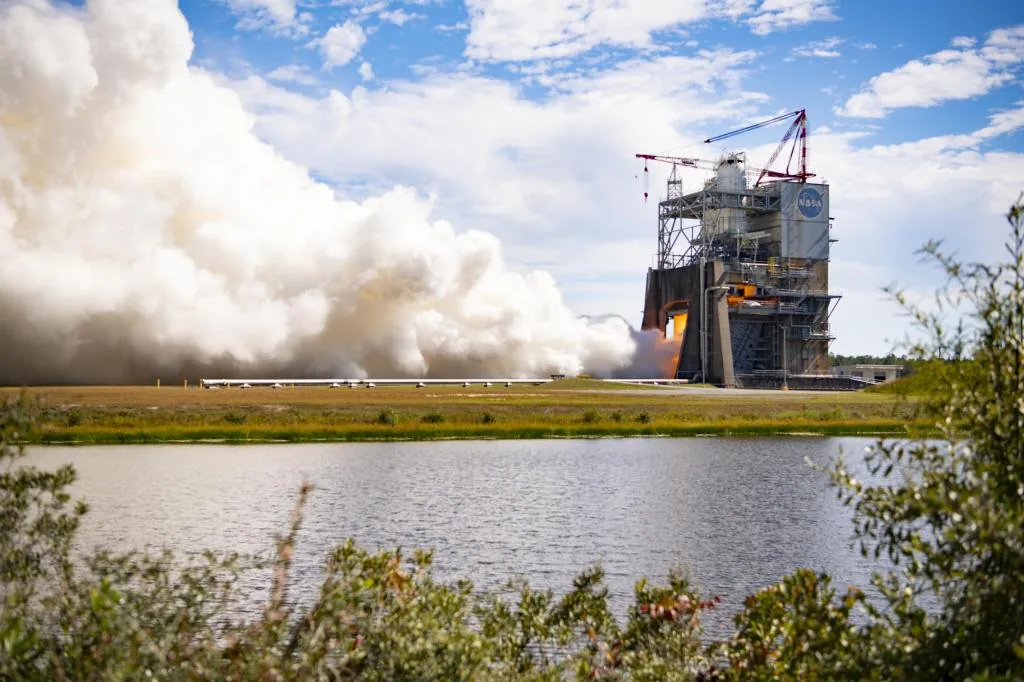
Critical Static Fire Test at Stennis Space Center
NASA has marked another major milestone in its propulsion development campaign supporting deep space exploration and the Artemis missions. Conducted at the historic Fred Haise Test Stand located at NASA's Stennis Space Center near Bay St. Louis, Mississippi, the test involved RS-25 developmental engine No. 10001. This static hot fire represents a continuous effort by the agency to optimize and validate the heavy-lift propulsion systems that power the Space Launch System (SLS) rocket designed to carry astronauts to the Moon.
Matching Full Launch Duration Across 500 Seconds
During the ground evaluation, test teams operated the developmental engine for nearly eight and a half minutes—precisely 500 seconds. This duration mirrors the exact operational burn time required of the RS-25 engines during an actual SLS rocket launch into space. Sustaining combustion for 500 seconds allows engineers to replicate the intense operational environments, thermal pressures, and mechanical dynamics experienced during ascent, ensuring that the engine's design limits and capabilities are thoroughly vetted on the ground before flight.
Paving the Way for Long-Term Lunar Exploration
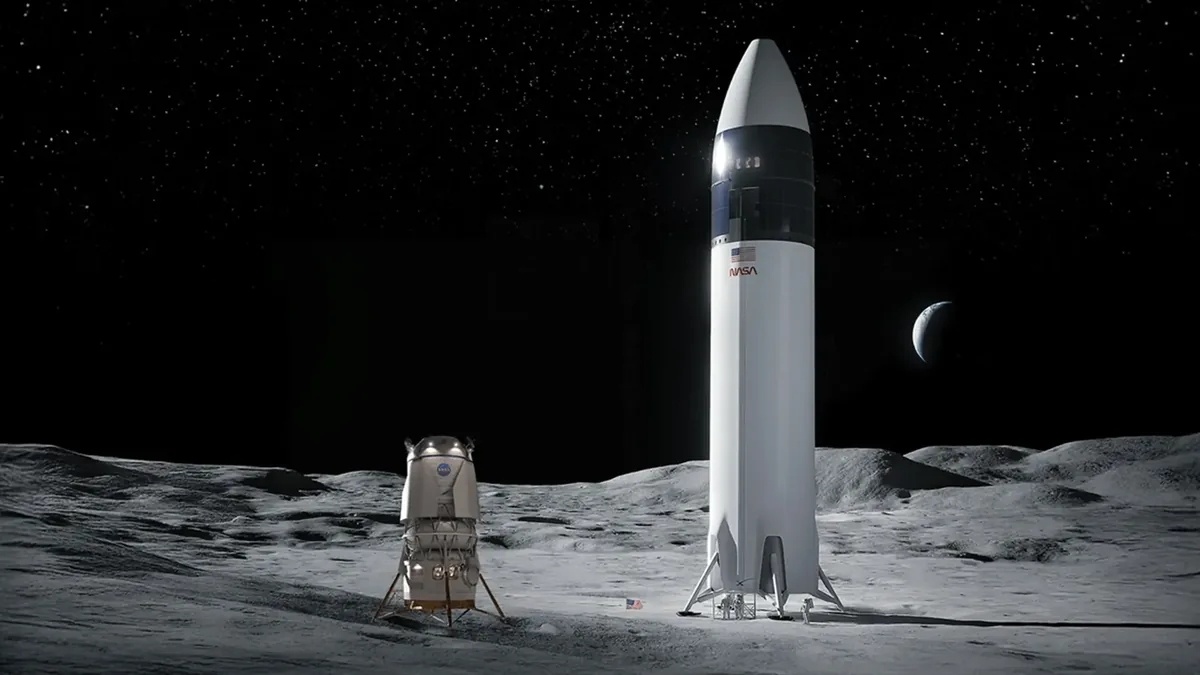
The RS-25 engine remains the core propulsion backbone of the SLS rocket, which is central to establishing a sustained human presence on the Moon under the Artemis program. Data collected from these developmental tests provides vital engineering feedback to validate new components, manufacturing techniques, and operating margins for future production engines. Each successful static fire strengthens mission safety and operational reliability as NASA prepares for complex human exploration missions venturing further into deep space.
Comments
Loading comments...