A Crucial Precursor to Landing on the Moon
Before sending astronauts back to the lunar surface, NASA is set to execute one of the most ambitious and complex test missions in its history. Centered on qualifying critical flight systems and lander integration, the Artemis III mission is designed to rigorously evaluate future lunar lander operations. By testing operational capabilities beforehand, the agency aims to ensure the highest safety margins for crewed deep-space exploration.
The crew assigned to this milestone flight includes NASA astronauts Randy Bresnik, Frank Rubio, and Andre Douglas, alongside European Space Agency (ESA) astronaut Luca Parmitano. These four astronauts will fly aboard the Orion spacecraft to execute the operational framework essential for subsequent lunar surface excursions.
Complex Orbital Maneuvers and Technical Phases
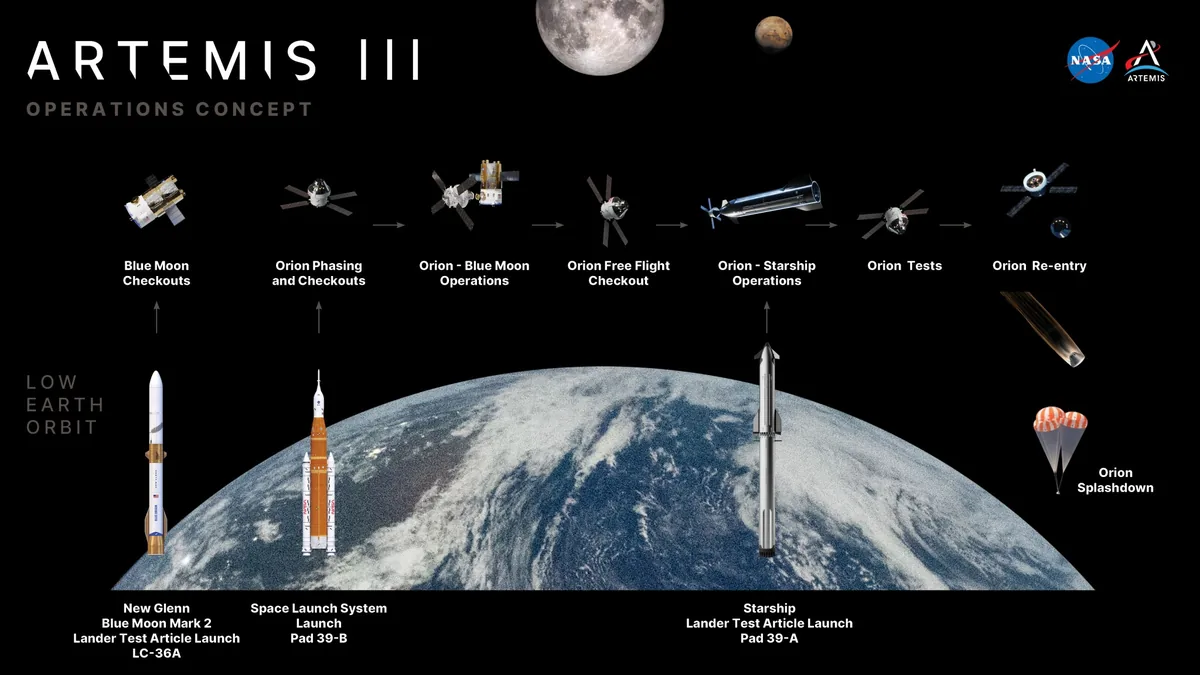
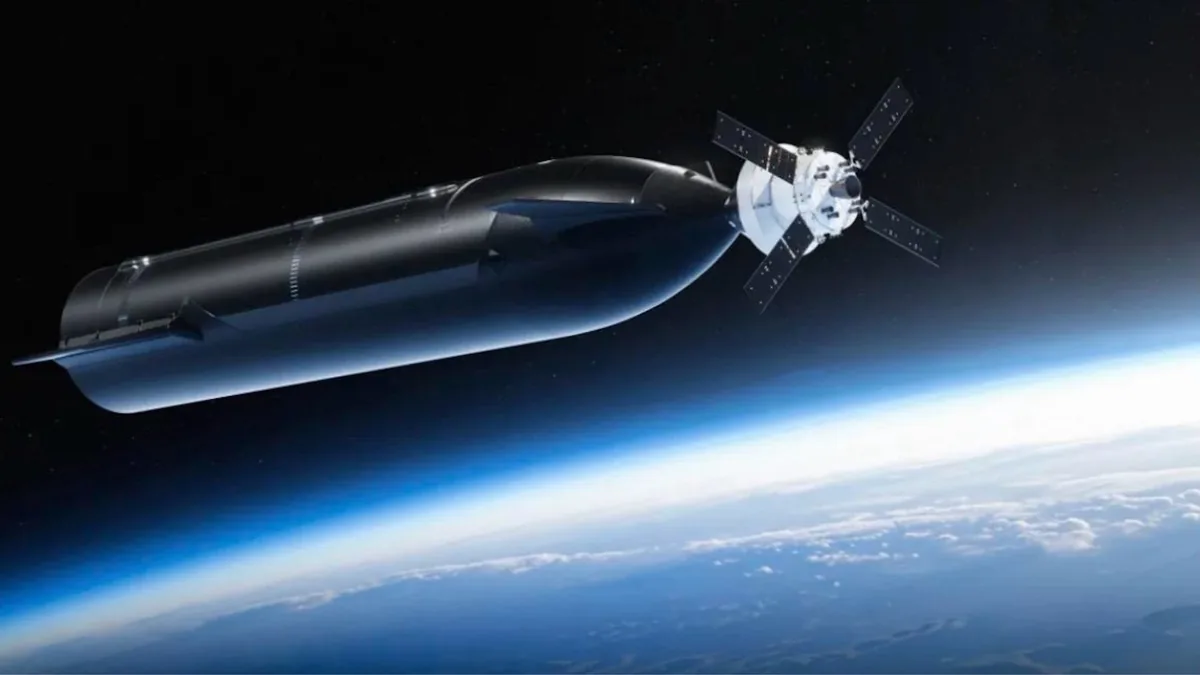
Scheduled to launch in 2027, Artemis III will place the Orion spacecraft and its four-person crew into low Earth orbit. Rather than executing a direct descent to the lunar terrain, this flight profile focuses on testing the multi-stage operational sequences, docking architectures, and lander interaction procedures in orbit, allowing engineers to address potential contingencies closer to home.
During their stay in orbit, the astronauts will oversee critical verifications of Orion's environmental controls, communication links, guidance navigation, and rendezvous systems. Validating these maneuvers in low Earth orbit provides the operational certainty required for real lunar descent scenarios.
Significance for Future Lunar Exploration
The Artemis III test mission represents a strategic milestone within the broader Artemis architecture, aimed at establishing a sustained human presence on and around the Moon. Perfecting lunar lander operational protocols beforehand significantly lowers mission risk for future landings.
Featuring transatlantic collaboration with ESA's Luca Parmitano onboard, the mission reinforces international partnerships in human spaceflight. The operational insights gathered during this 2027 flight will directly inform the final roadmap for landing humanity back on the Moon and preparing for eventual deep space expeditions to Mars.


Comments
Loading comments...