Stratospheric Pursuit of Wildfire Plumes
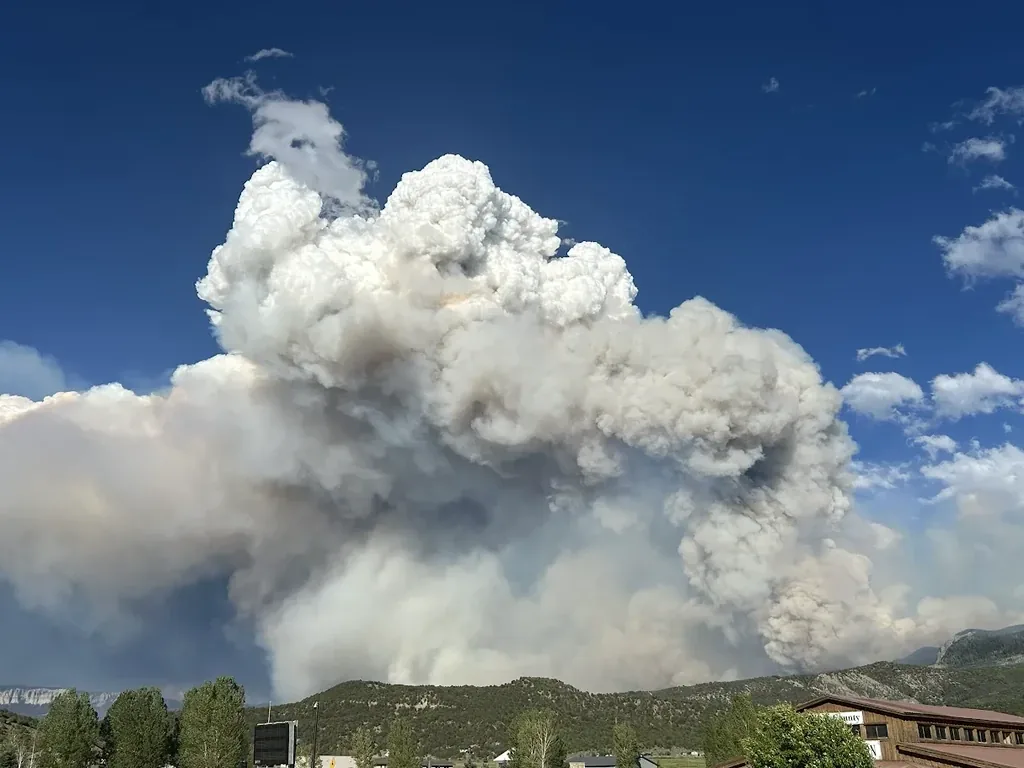
The student ballooning team at the University of Minnesota Twin Cities conducted an ambitious atmospheric research initiative focused on extreme wildfire events. The group deployed high-altitude scientific balloons to actively track and observe the smoke plume generated by a pyrocumulonimbus cloud. This deployment aimed to directly investigate how wildfire byproducts breach upper atmospheric layers.
Pyrocumulonimbus Clouds and High-Altitude Tracking
Intense heat and energetic updrafts generated by catastrophic wildfires can produce pyrocumulonimbus clouds, often described as fire-fueled thunderstorms. These powerful meteorological phenomena act as conduits, injecting smoke and particulate aerosols directly into the stratosphere. The university team mobilized their balloon instrumentation to monitor the trajectory and dispersion behavior of the high-altitude smoke plume.
Stratospheric balloons offer a unique, cost-effective vantage point to record atmospheric data from altitudes that standard ground or low-altitude systems cannot easily survey. By following the plume's trajectory, the mission gathered valuable insights into the dispersion patterns of smoke aerosols once they reach the upper atmosphere.
Scientific Significance for Atmospheric Models
Data recorded by the student team contributes to a deeper understanding of how extreme convective wildfire storms influence atmospheric chemistry and circulation. When smoke particles enter the stratosphere, they can linger for extended periods, altering solar radiation absorption and local heating rates. The project demonstrates the vital role of balloon-based tracking in documenting real-time atmospheric dynamics.

Comments
Loading comments...