Chemical Clues from Another Stellar System
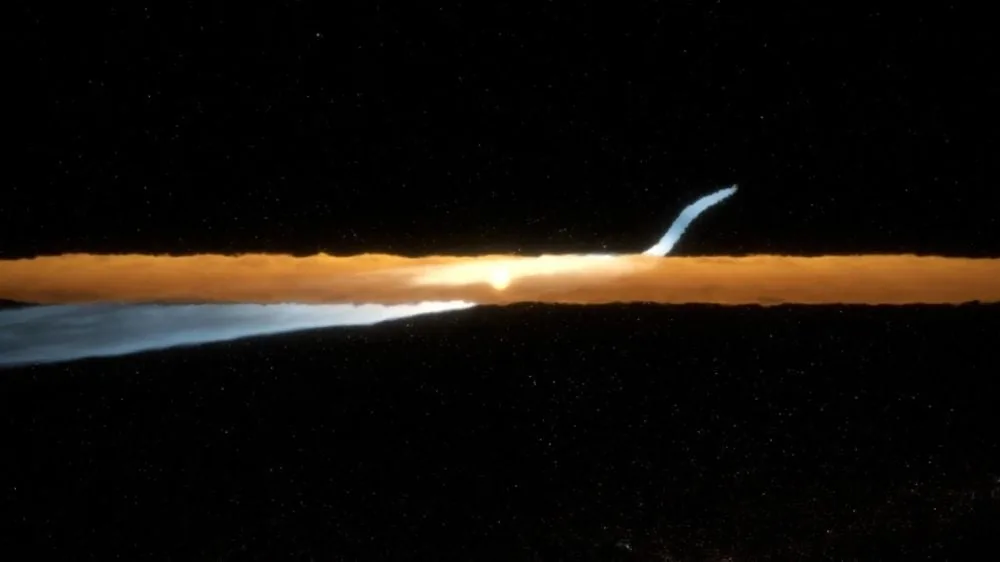
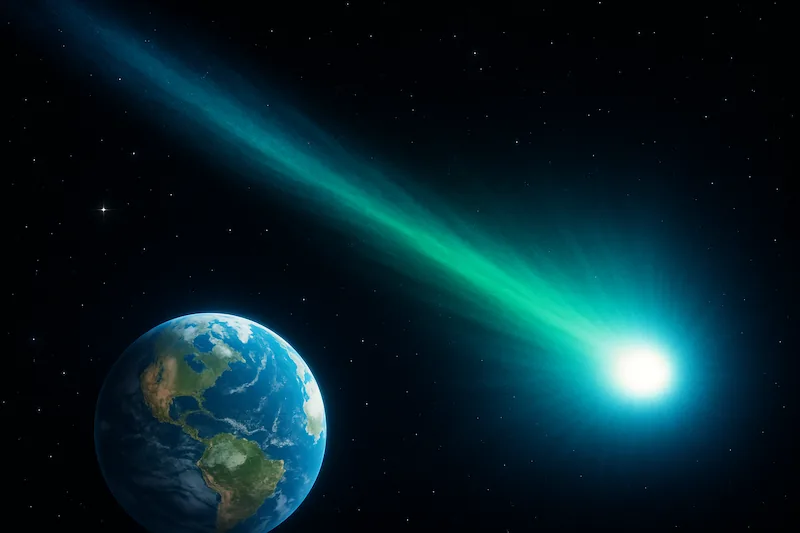
The interstellar comet 3I/ATLAS carries locked-away chemical clues about the conditions of its planetary system of origin, established long before it reached our sun. By analyzing this rare celestial visitor, researchers have obtained direct evidence regarding its birth environment. The investigations indicate that the comet's frozen ingredients reflect the primordial conditions present during its initial formation phases.
Methane Signature and Heavy Hydrogen Enrichment
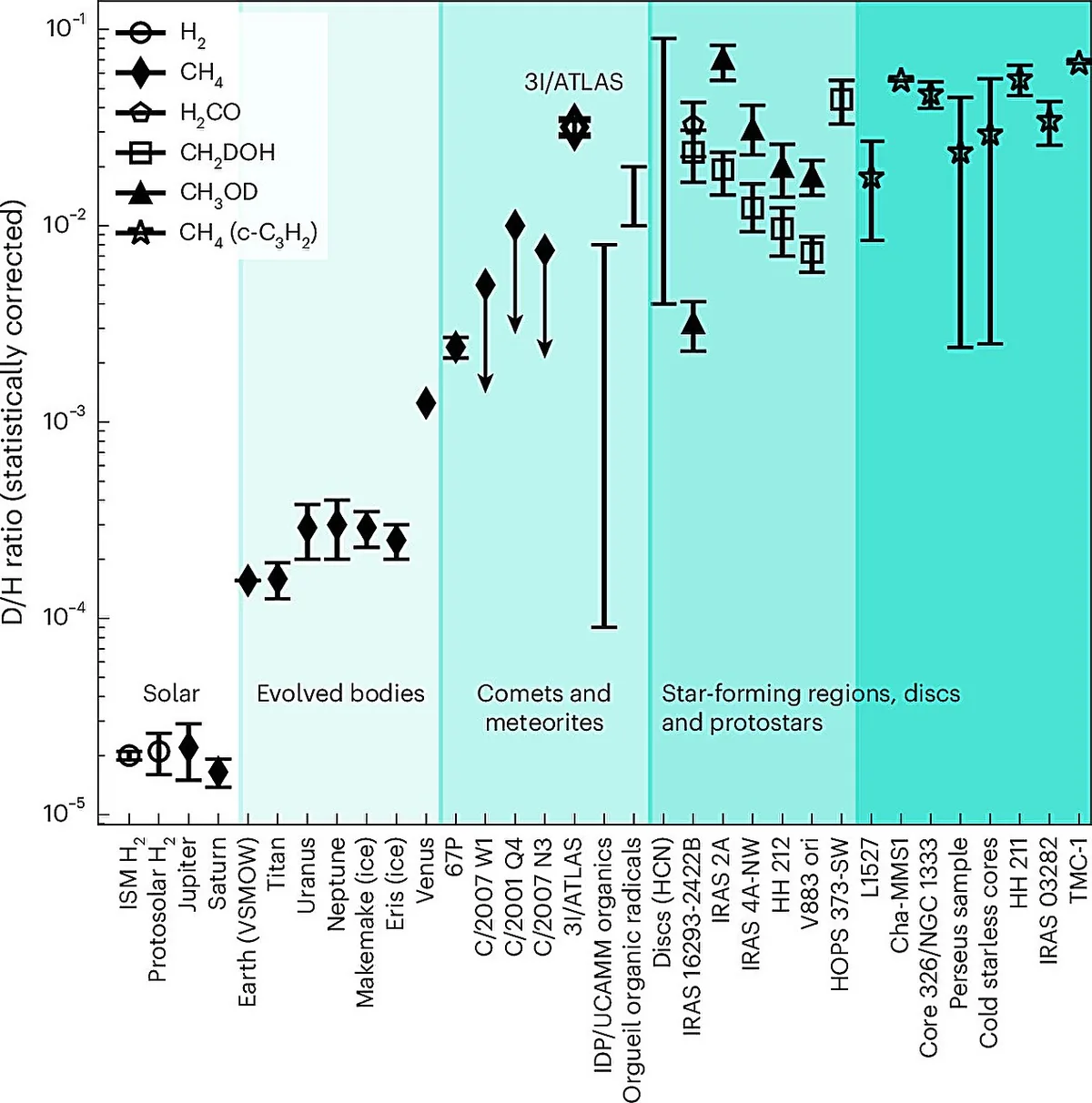
Astronomers studying the methane signature of 3I/ATLAS discovered an unusually high concentration of heavy hydrogen. This distinct molecular footprint suggests that the comet's icy components took shape in an intensely cold region. The data implies that these frozen materials coalesced either in a frigid environment surrounding another star or within the cold interstellar cloud that preceded the star itself.
Implications for Interstellar Material Studies
These findings enhance our understanding of chemical diversity and planetary formation processes across different stellar systems. Spectral measurements of interstellar visitors like 3I/ATLAS provide valuable insight into the history of distant exoplanetary environments. Comparing heavy hydrogen signatures across such objects will play a crucial role in reconstructing the origin and chemical evolution of icy bodies throughout the galaxy.
Comments
Loading comments...