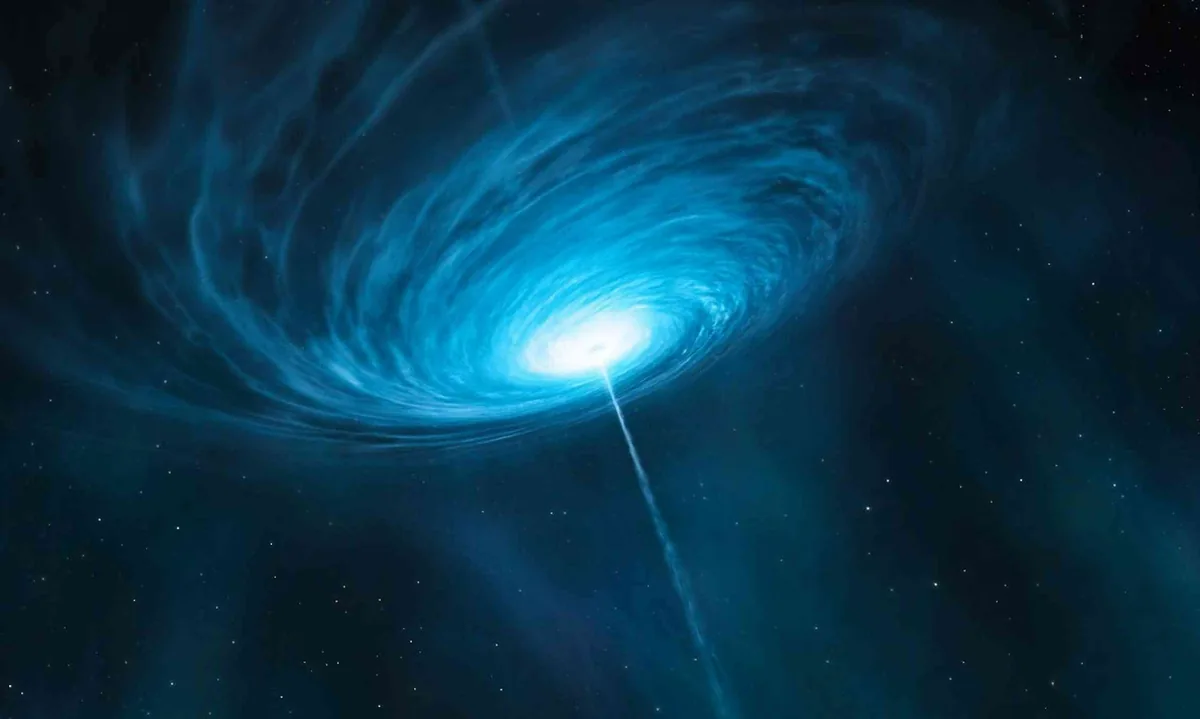
The Enigma of Ghost Particles
Neutrinos represent some of the most elusive building blocks in the universe, possessing an infinitesimally small mass and virtually no interaction with regular matter. Dubbed ghost particles, the vast majority of them stream freely across space and pass straight through Earth without leaving a trace. They originate from sources as ordinary as bananas and as extraordinary as supernovas, the violent death throes of massive dying stars, holding untouched records of extreme cosmic events.
Harnessing Radio Telescopes for Detection
Pinpointing where cosmic neutrinos originate is an intricate scientific challenge. Because they travel in straight lines without being deflected by interstellar magnetic fields, they point directly back to their cosmic engines; however, catching them requires colossal detection mediums. Scientists are increasingly investigating how radio telescope arrays can capture the distinctive radio pulses produced when ultra-high-energy neutrinos collide within vast dielectric targets, offering a sensitive pathway to localize their distant cosmic origins.
Implications for Multimessenger Astrophysics
Integrating radio observations into neutrino detection promises to revolutionize our models of stellar explosions and deep-space accelerators. By pairing traditional optical and gamma-ray data with radio-based neutrino tracking, astrophysicists can probe deeper into supernova cores and active cosmic phenomena. Future observational efforts aim to harness these radio techniques to unveil previously invisible corners of the high-energy universe.
Comments
Loading comments...