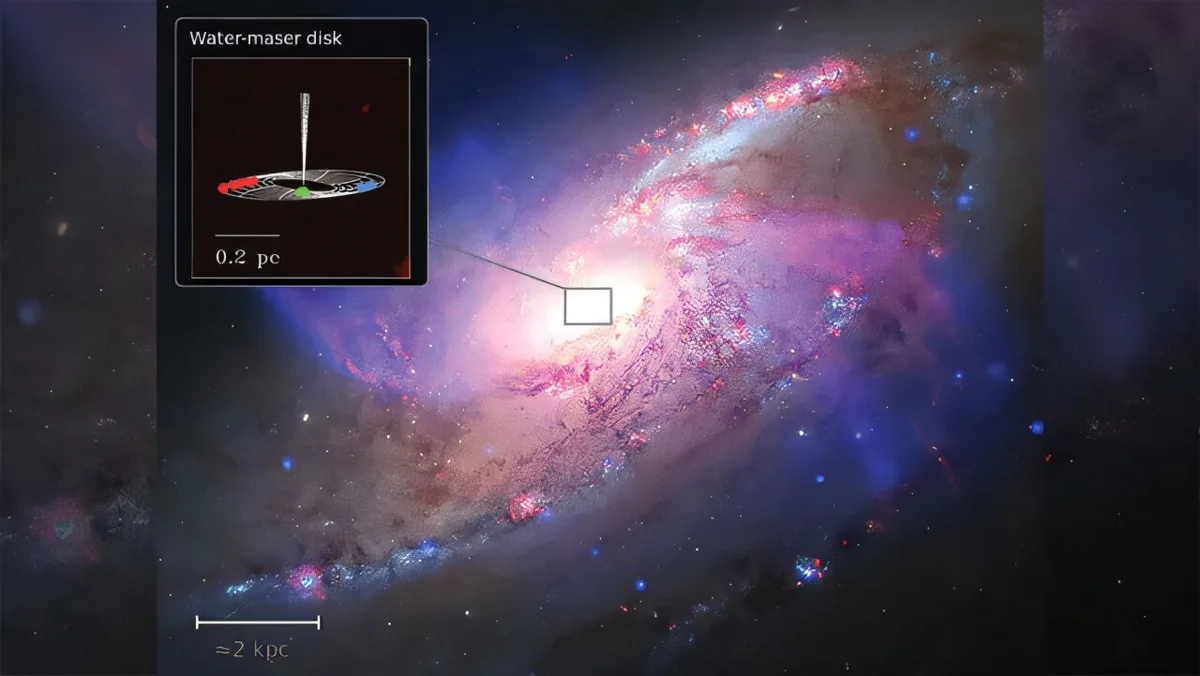
A New Approach to Black Hole Research
Researchers at the University of Hawaiʻi at Mānoa are investigating an innovative technique to study supermassive black holes, some of the universe's most elusive phenomena. The team found that water signals emitted from regions surrounding these cosmic giants could serve as key guides for imaging their shadows. This method opens up new avenues for overcoming observational limits in astrophysics.
Utilizing Water Signals for Precision Imaging
The study highlights how water signals can be tracked to optimize data collection and alignment for telescope arrays. By pinpointing these specific signals, astronomers hope to increase the resolution and accuracy required to resolve the environments of massive black holes. The technique offers a target roadmap for observational networks.
Scientific Impact and Future Observations
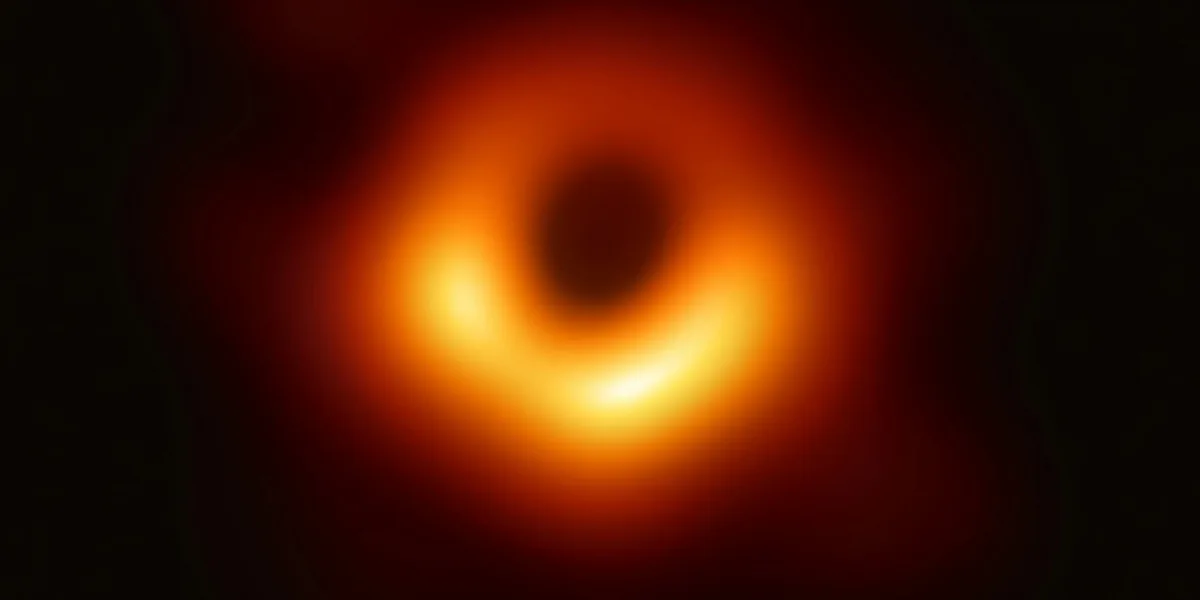
Capturing the shadow of a supermassive black hole is essential for understanding physics under extreme gravitational conditions. Integrating water signal tracking into future observation strategies could greatly improve the efficiency of astronomy missions. Researchers anticipate this strategy will enable clearer images of more black holes across the cosmos.

Comments
Loading comments...