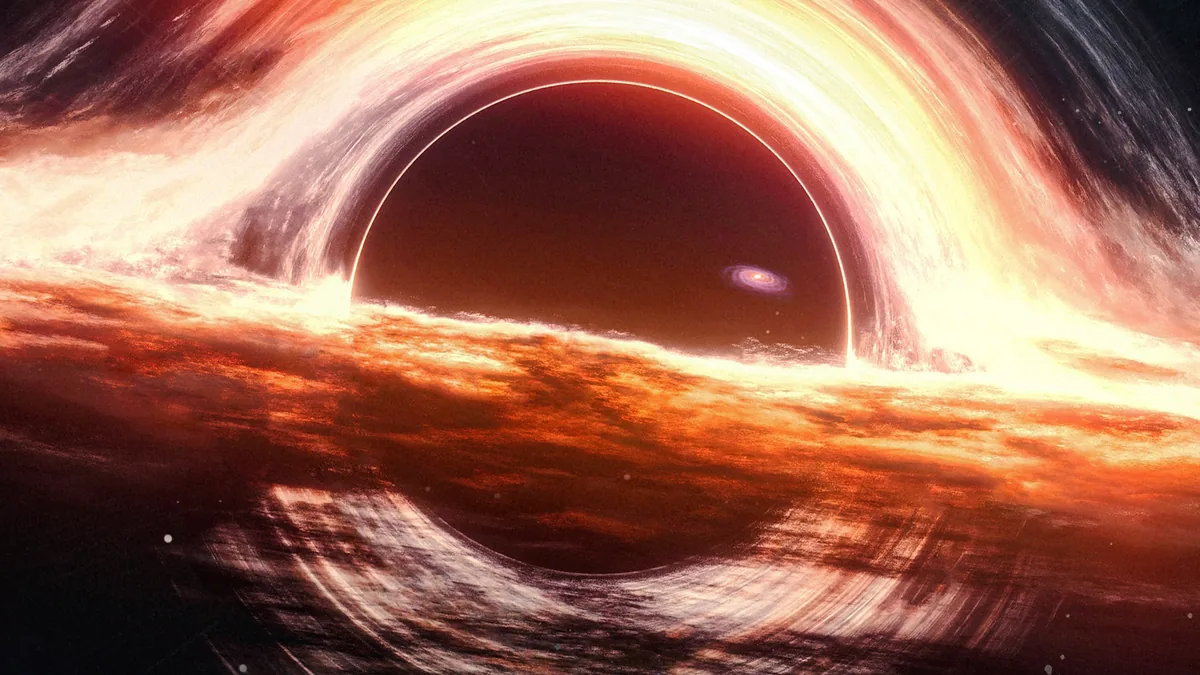
Black Holes Older Than the Stars
In modern astrophysics, black holes are typically understood to form from the collapse of massive stars. However, scientists are exploring the existence of primordial black holes that may have formed in the universe's earliest moments, long before the first stars ever ignited. Confirming the presence of structures older than stars could lead to fundamental shifts in cosmological models.
A New Perspective on the Dark Matter Mystery
Dark matter remains one of the greatest mysteries in physics, accounting for most of the mass in the universe while remaining directly invisible. Researchers suggest that the combined mass of primordial black holes distributed across space could account for the gravitational effects attributed to dark matter.
Implications for Physics and Future Research
If primordial black holes are proven to exist, theories proposing that dark matter consists of these cosmic objects rather than undiscovered particles will gain significant ground. This breakthrough would require reevaluating the mechanisms of the early universe and updating fundamental models in particle physics and cosmology.
Comments
Loading comments...