A New Frontier in the Early Universe
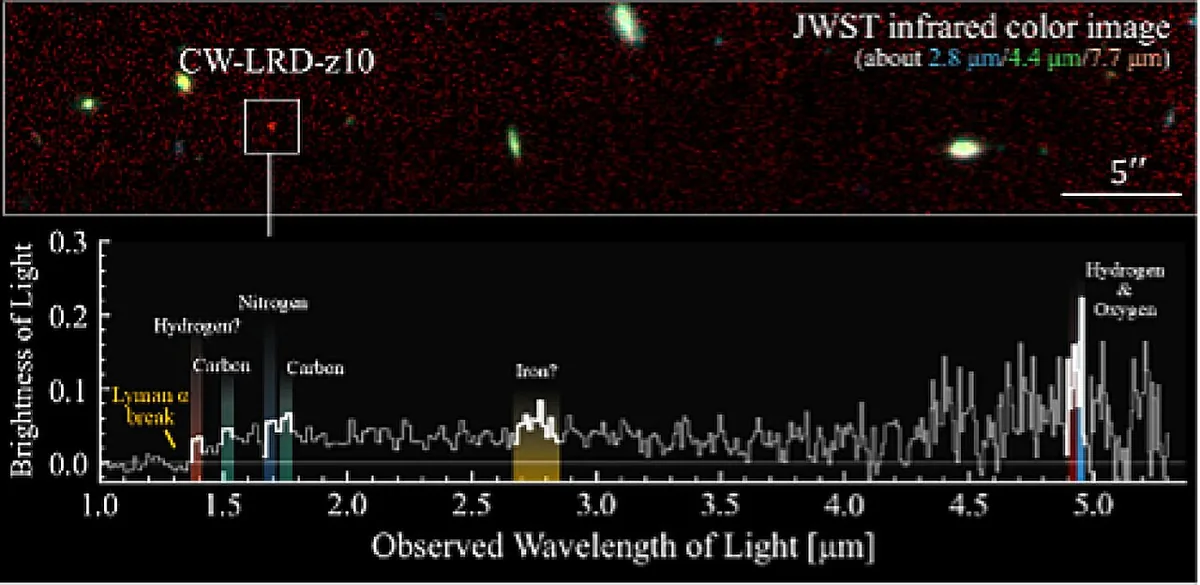
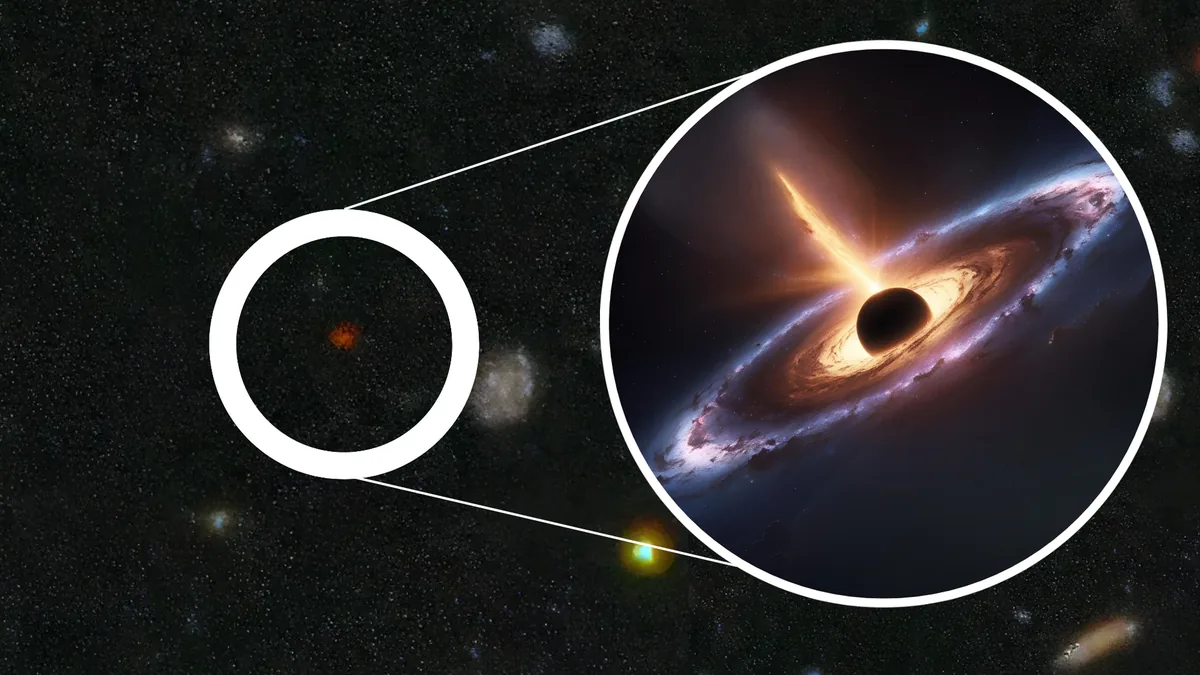
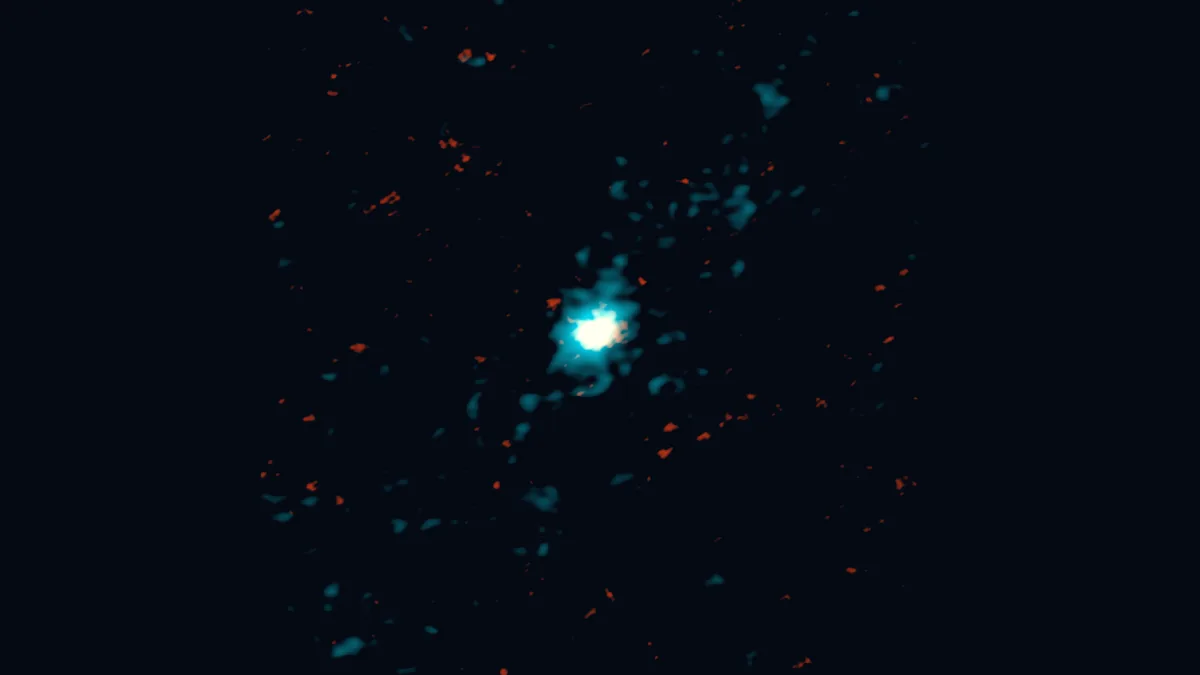
An international team of researchers, utilizing data from the James Webb Space Telescope (JWST), has discovered the farthest "little red dot" (LRD) identified to date, dating back to the universe's first 500 million years. First discovered in 2022, these structures represent faint supermassive black holes in the early universe. The study detailing this discovery was published in The Astrophysical Journal Letters.
Nature of Little Red Dots and Observational Data
These celestial objects, termed "little red dots," appear faint and red in observations while hosting supermassive black holes at their cores. Through JWST's advanced infrared spectroscopy and sensitive photometric measurements, scientists successfully identified the most distant example recorded so far. The observational measurements provide direct data on black hole formation processes during the universe's cosmic dawn.
Implications for Cosmology and Black Hole Models
This milestone discovery may require astrophysicists to re-evaluate current models regarding how rapidly supermassive black holes grew and co-evolved with galaxies in the early universe. Researchers plan to conduct follow-up observations to further examine the prevalence and cosmic evolution of these enigmatic objects.
Comments
Loading comments...