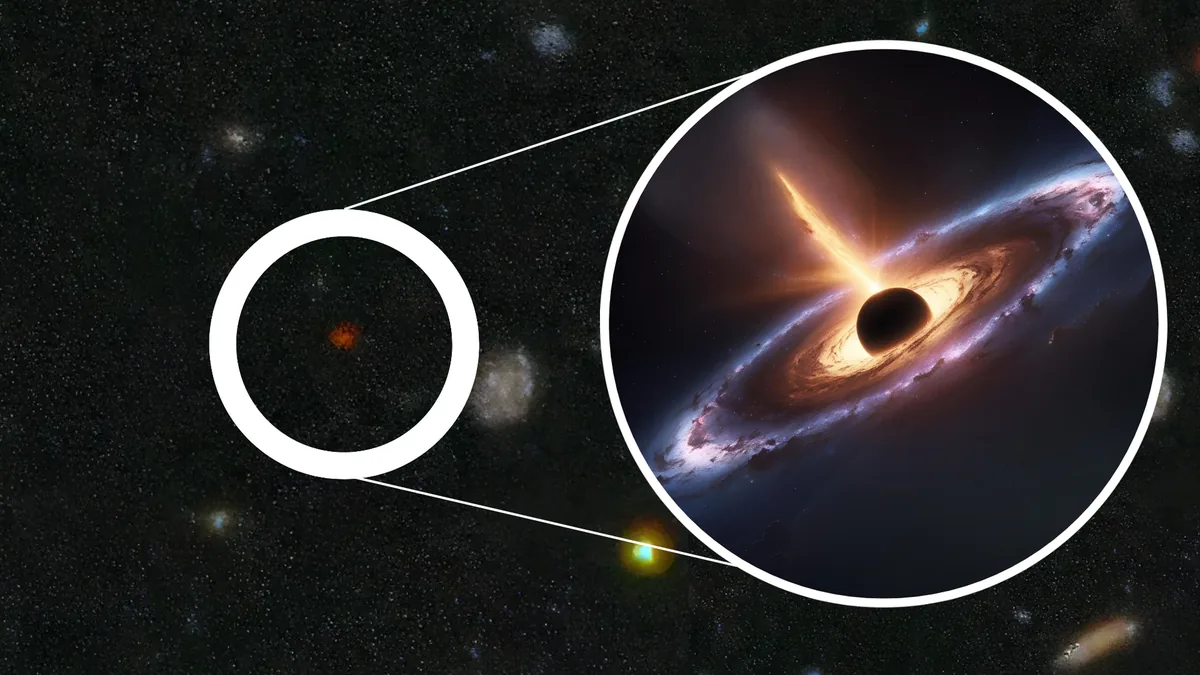
A Historic Observation by the Euclid Space Telescope
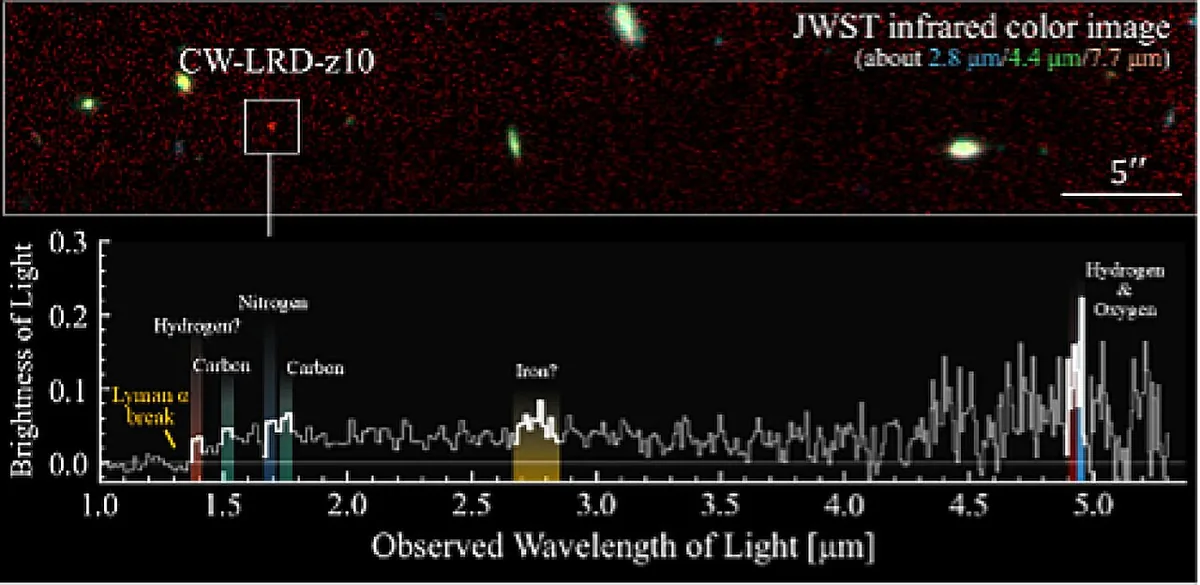
The Euclid space telescope has achieved a major milestone during its deep-space survey by spotting the most distant and ancient quasar ever observed. This discovery offers astronomers an unprecedented window into the conditions and cosmic structures present during the early epochs of the universe.
Powered by a 360-Million-Solar-Mass Black Hole
Observational analysis reveals that this brilliant cosmic phenomenon is powered by a central supermassive black hole. Precise evaluations indicate that the black hole possesses a mass equivalent to 360 million times that of our Sun. The immense energy released as it consumes surrounding matter fuels the extreme luminosity of the quasar.
Implications for Early Universe Cosmology
Finding such an ancient and distant quasar provides critical data on how supermassive black holes were able to form and reach immense masses early in cosmic history. The data gathered by Euclid will help refine theoretical models describing the co-evolution of early galaxies and their central supermassive black holes.
Comments
Loading comments...