Optical Cavities and Light-Trapping Mirrors
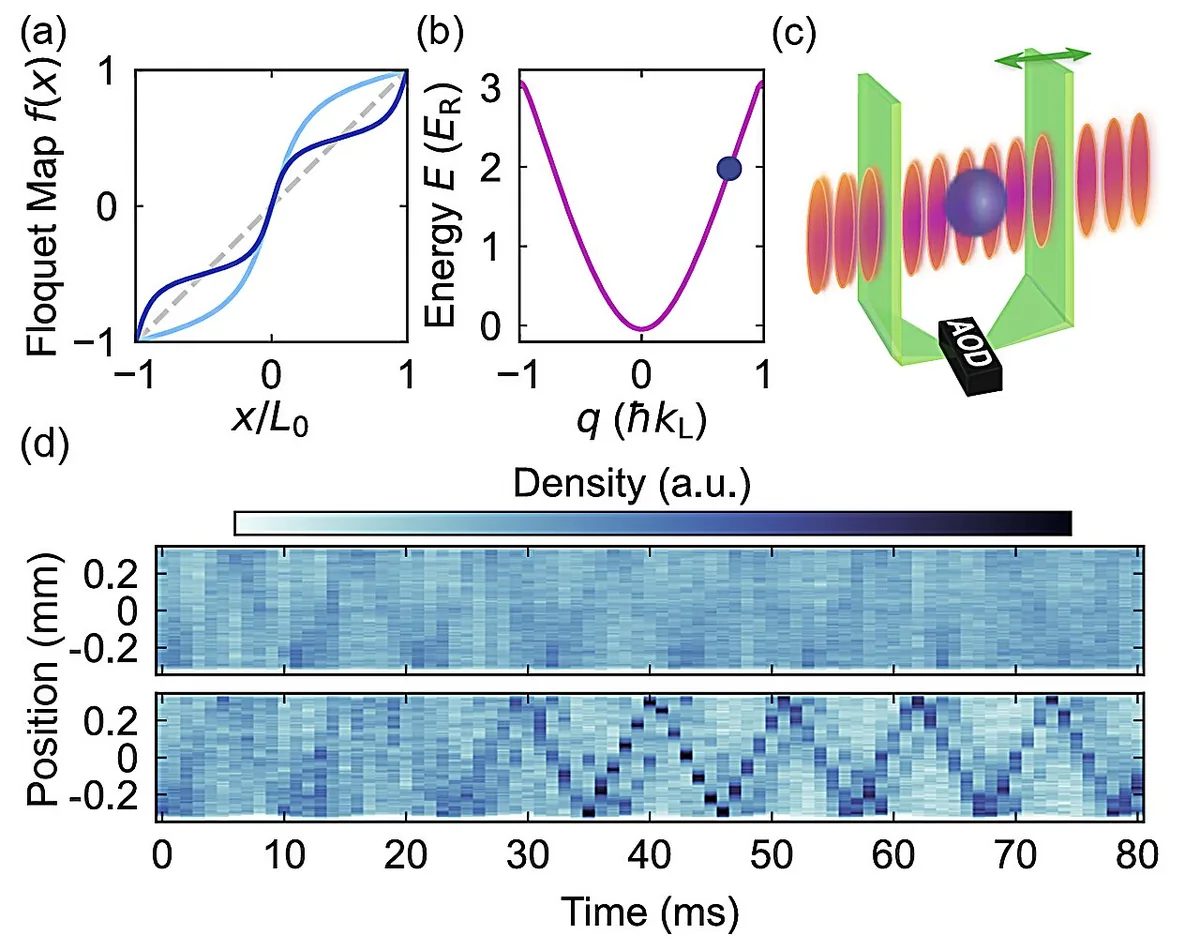
Optical cavities, consisting of pairs of light-trapping mirrors, form the foundation of devices such as lasers, atomic clocks, and precision sensors. Researchers are exploring how rapidly manipulating these structures affects the behavior of trapped electromagnetic waves.
Mirror Dynamics and Wave Concentration
Theoretical models predict that if the distance between the cavity mirrors changes rapidly enough, light waves within the cavity should bunch together into brief, highly intense pulses. This wave behavior creates an analog system akin to a black hole event horizon.
Scientific Impact and Experimental Testing
To date, this theoretical prediction has never been directly tested in experimental setups. Successful direct observation of this effect could advance both quantum optics technology and laboratory simulations of extreme gravitational physics.


Comments
Loading comments...