An Unexpected Find in the Deep Cosmos
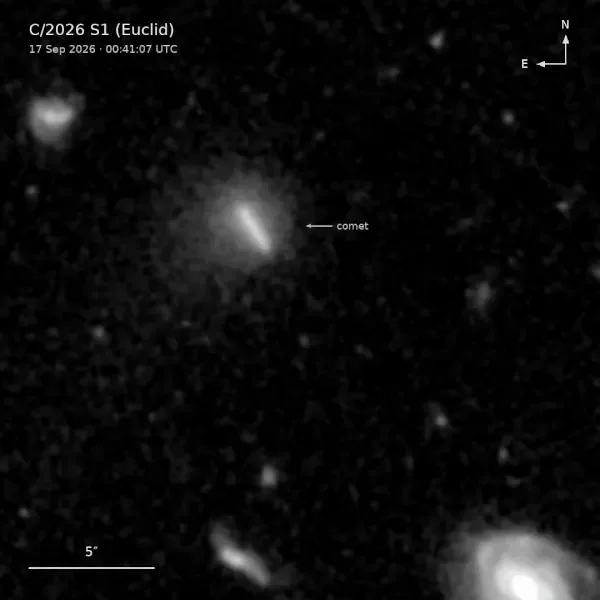
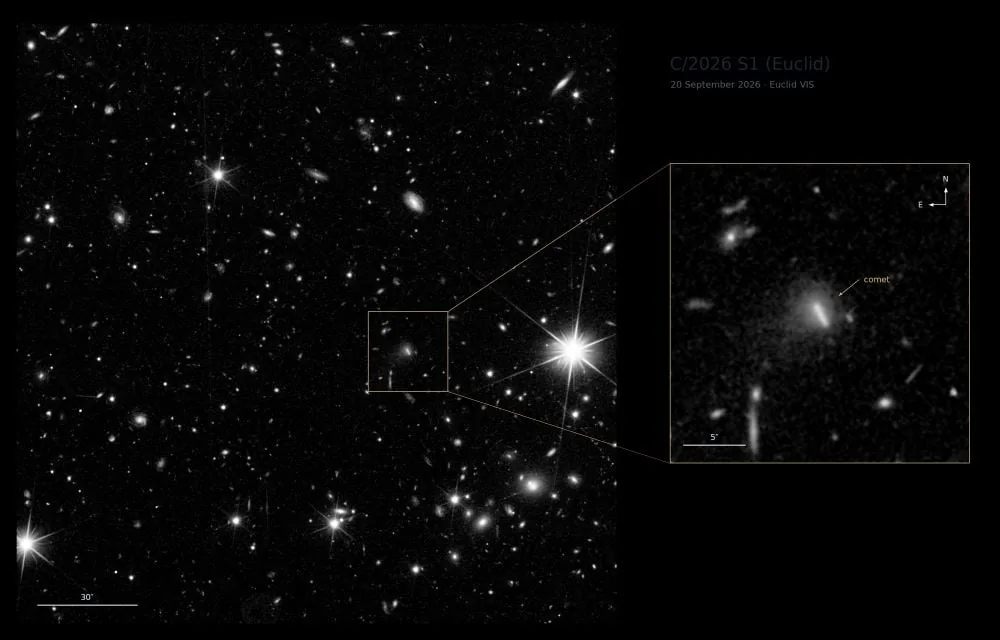
The Euclid space telescope, primarily designed to map the geometry of the dark universe, has unexpectedly discovered a comet. While surveying massive cosmic structures for traces of dark matter and dark energy, the observatory captured an unexpected visitor from within our planetary neighborhood.
Observational Data and Serendipitous Detection
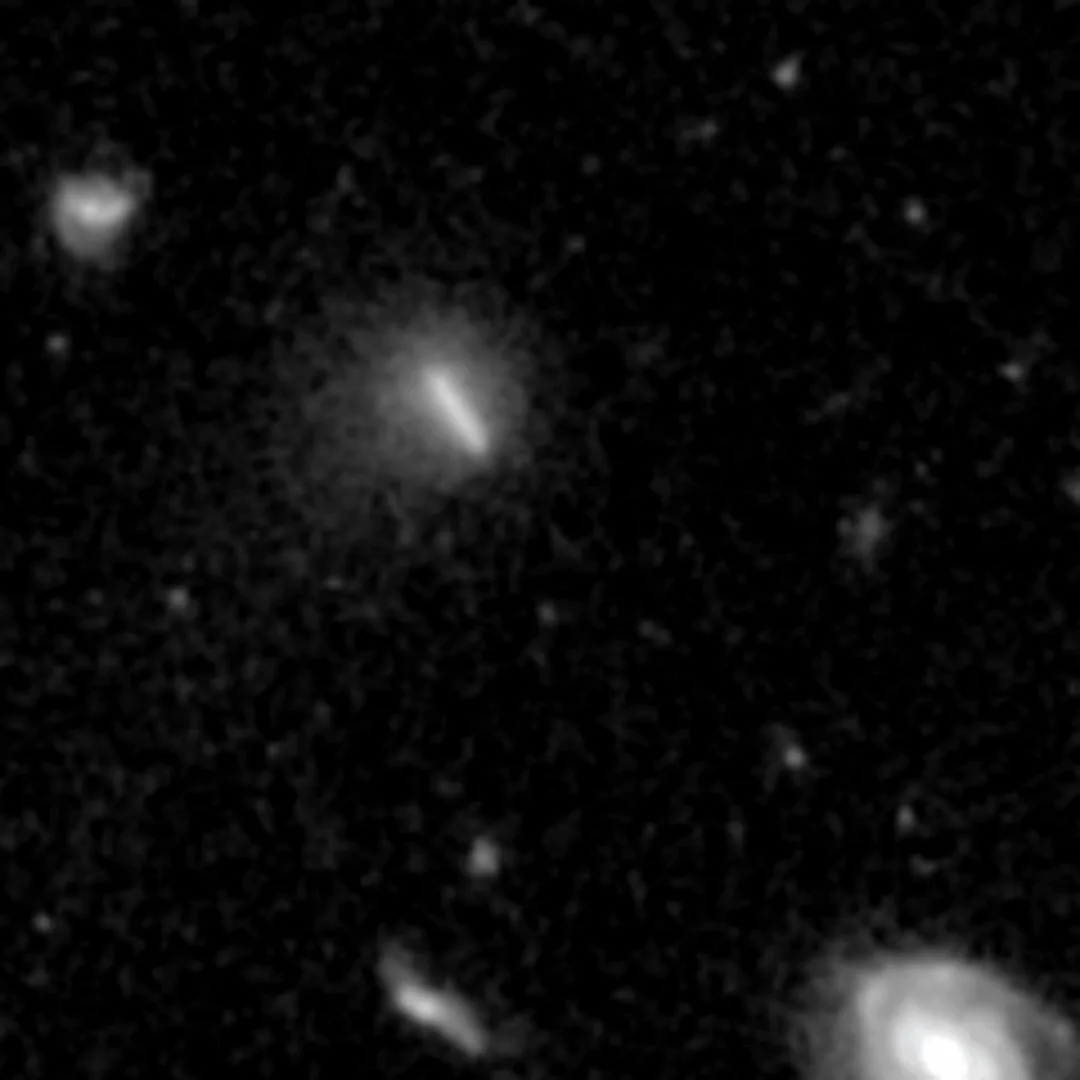
Euclid's high-precision imaging sensors detected the faint trajectory of the icy body against the backdrop of distant galaxies. The detection occurred during routine sky mapping operations, highlighting the remarkable sensitivity of the observatory's scientific instruments.
Broadening the Scope of Cosmological Surveys
This accidental discovery underscores the auxiliary value of large-scale cosmological surveys for Solar System science. As Euclid continues to systematically map the extragalactic sky, researchers anticipate further serendipitous findings of small bodies traversing its field of view.

Comments
Loading comments...