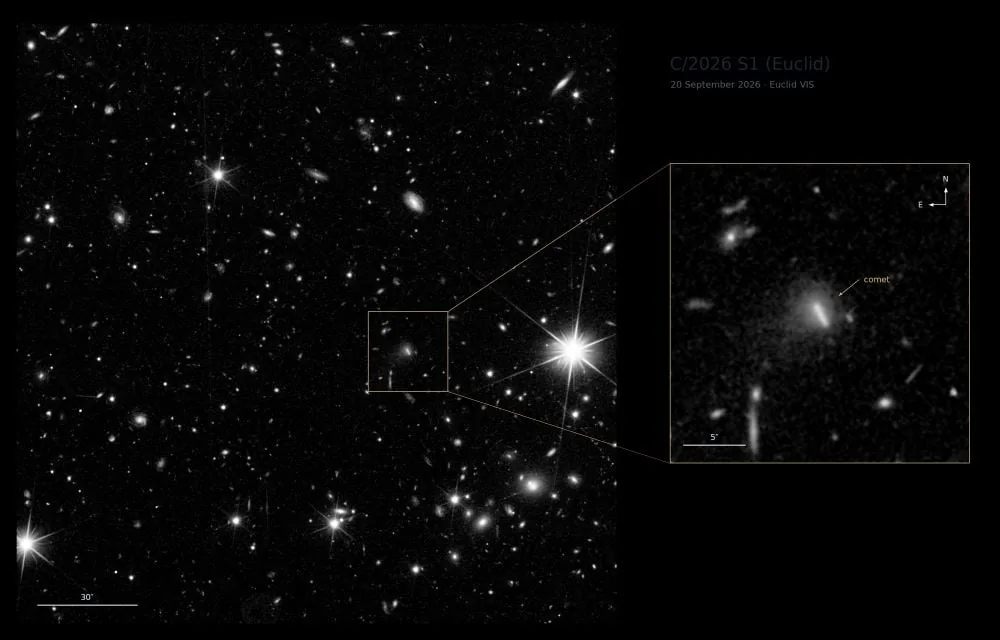
An Unexpected Visitor for a Cosmological Mission
Launched in July 2026 by the European Space Agency (ESA), the Euclid space telescope was designed to probe the most profound mysteries of the cosmos. Its primary scientific mandate is to survey billions of distant galaxies across a span of 10 billion years of cosmic expansion, measuring their cosmological redshifts to untangle the fundamental nature of dark matter and dark energy.
C/2026 S1 (Euclid): A Serendipitous Discovery
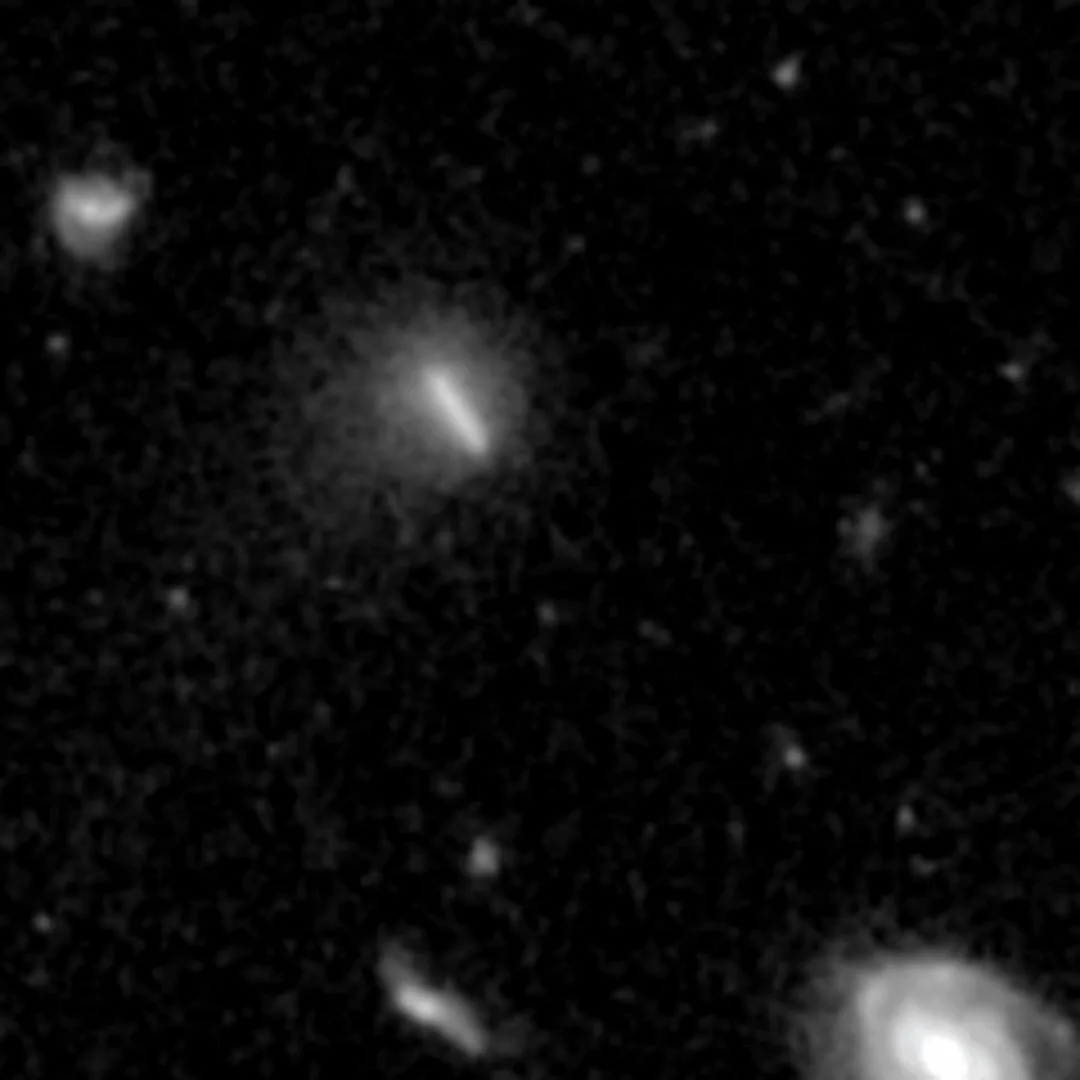
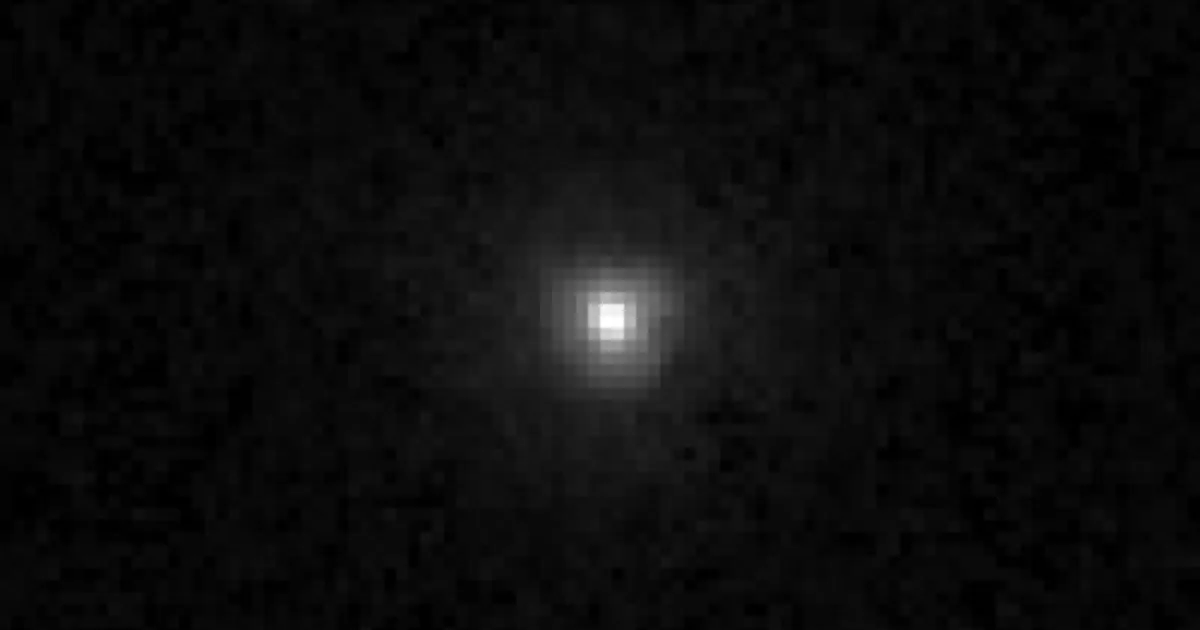
While gathering vast swathes of cosmological data, the space observatory's wide-field instruments detected an uncataloged, actively moving object within our own Solar System. Follow-up positional and photometric analysis confirmed that the serendipitously observed body is a brand-new comet, which has now officially received the astronomical designation C/2026 S1 (Euclid).
Planetary Science Insights from Deep-Space Observatories
This discovery illustrates the remarkable dual utility of wide-field cosmological observatories, showing that instruments optimized for the high-redshift universe can simultaneously deliver valuable insights into small solar system bodies. Astronomers are now actively tracking C/2026 S1 (Euclid) to compute its exact orbital trajectory and investigate the physical characteristics of this newly discovered icy wanderer.
Comments
Loading comments...