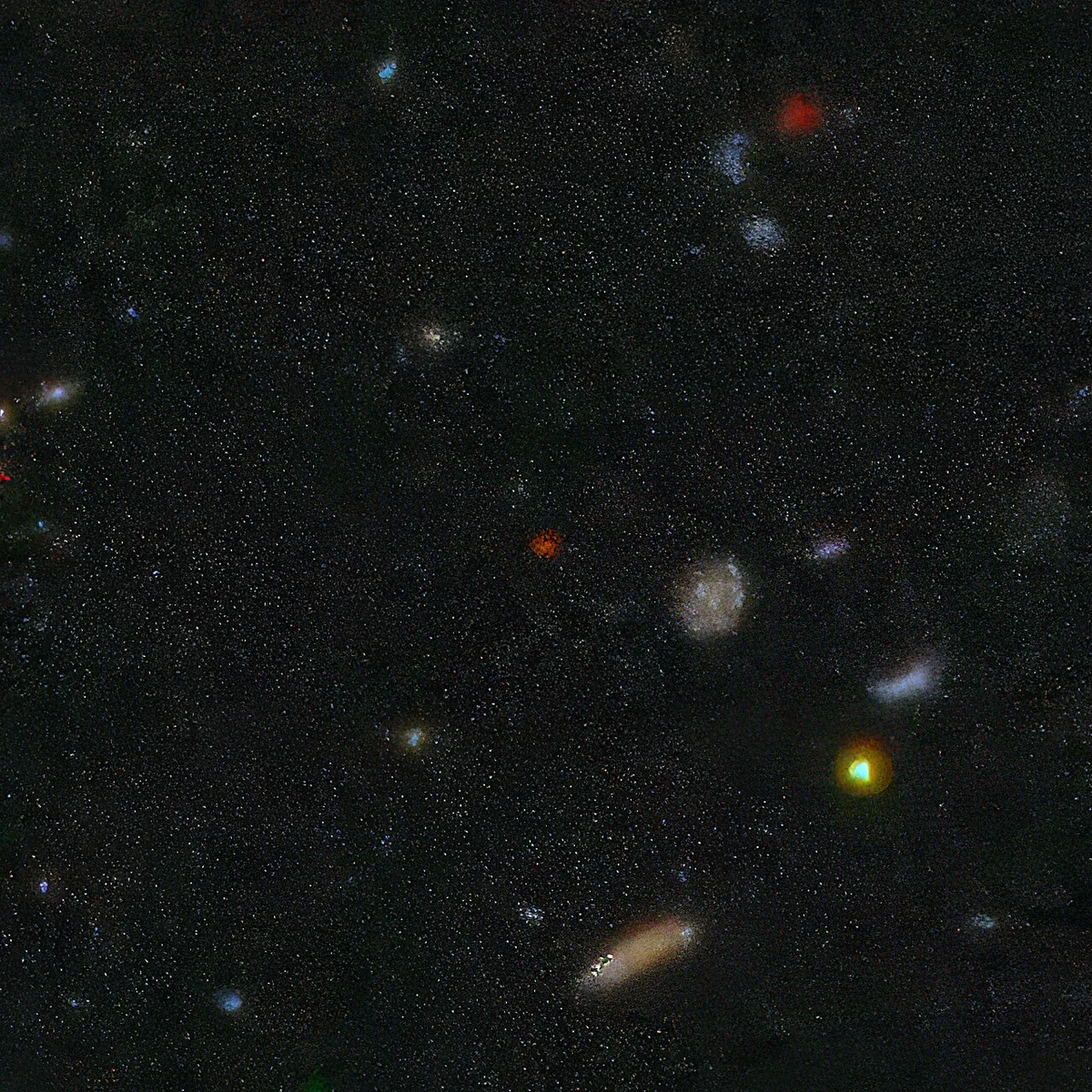
A Record-Setting Quasar at the Dawn of Time
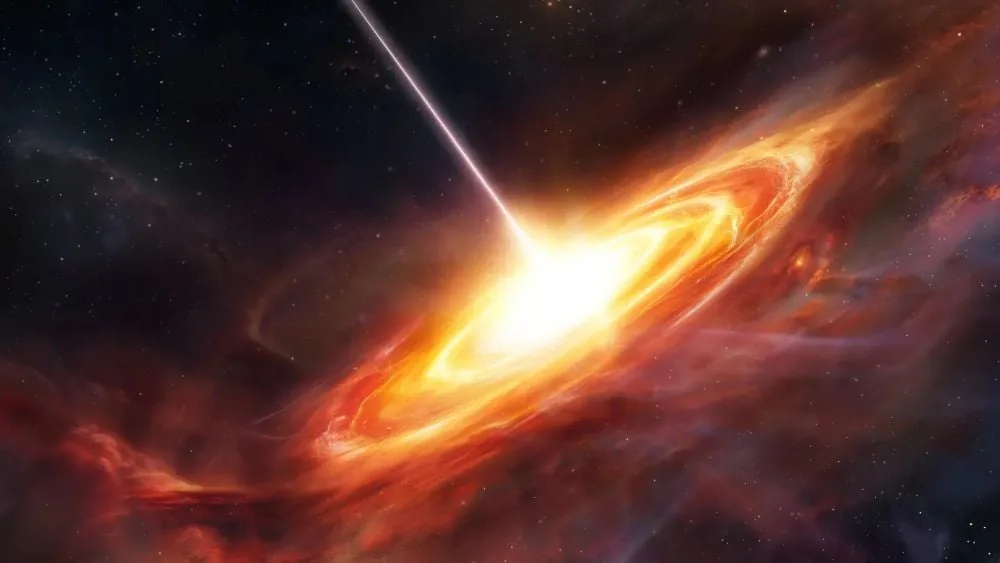
Astronomers have achieved a major observational milestone by discovering the most distant quasar identified to date. Dating back to just 630 million years after the Big Bang, this distant galactic core shatters previous records and proves that bright, massive galactic centers were already thriving during the early epoch of cosmic dawn.
A Slow-Feeding Central Black Hole
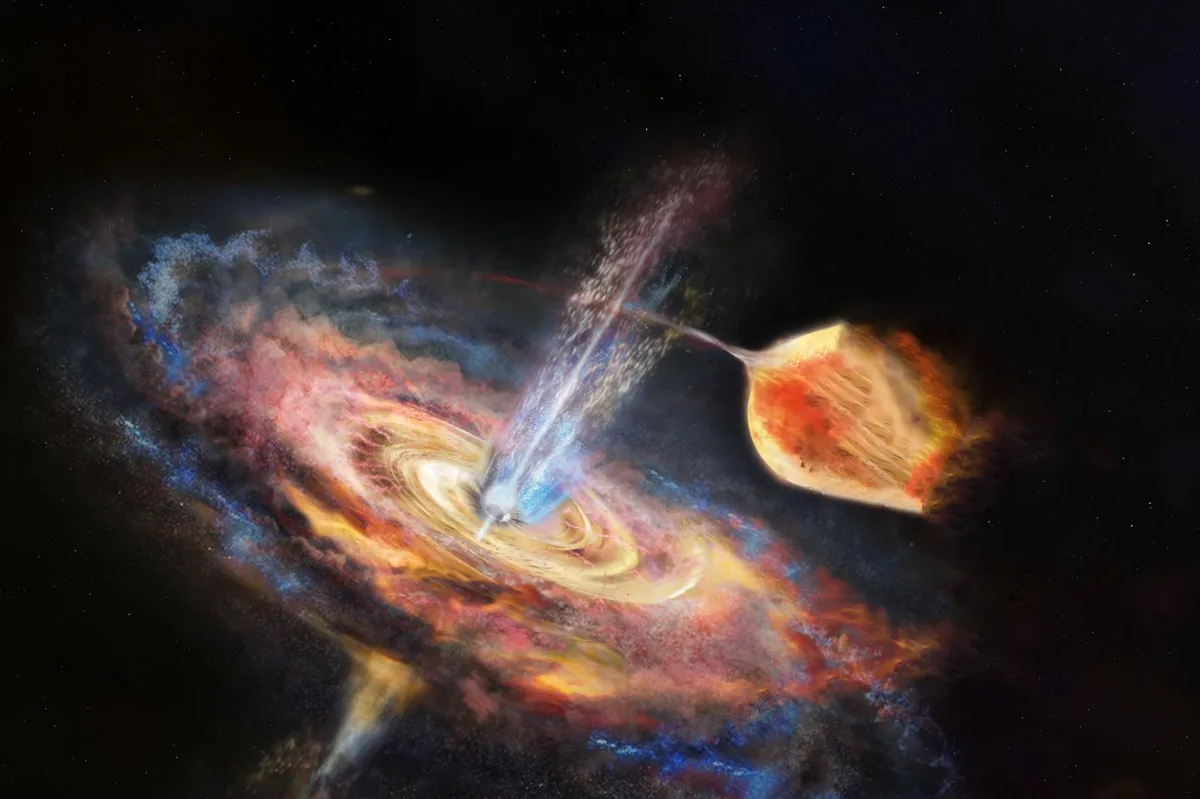
Detailed analysis reveals that the engine powering this ancient quasar is a centrally located black hole that is feeding slowly rather than consuming surrounding matter at extreme rates. Quasars shine intensely through the gravitational heating of accreting material, and discovering a slow-chomping black hole at this extreme distance offers rare insight into early accretion physics.
Challenging Cosmological Growth Models
The existence of such an established quasar a mere 630 million years into cosmic history presents significant tests for current cosmological models. Understanding how supermassive black holes could accumulate sufficient mass so quickly after the Big Bang will guide future studies on primordial black hole seeds and early galaxy evolution.
Comments
Loading comments...