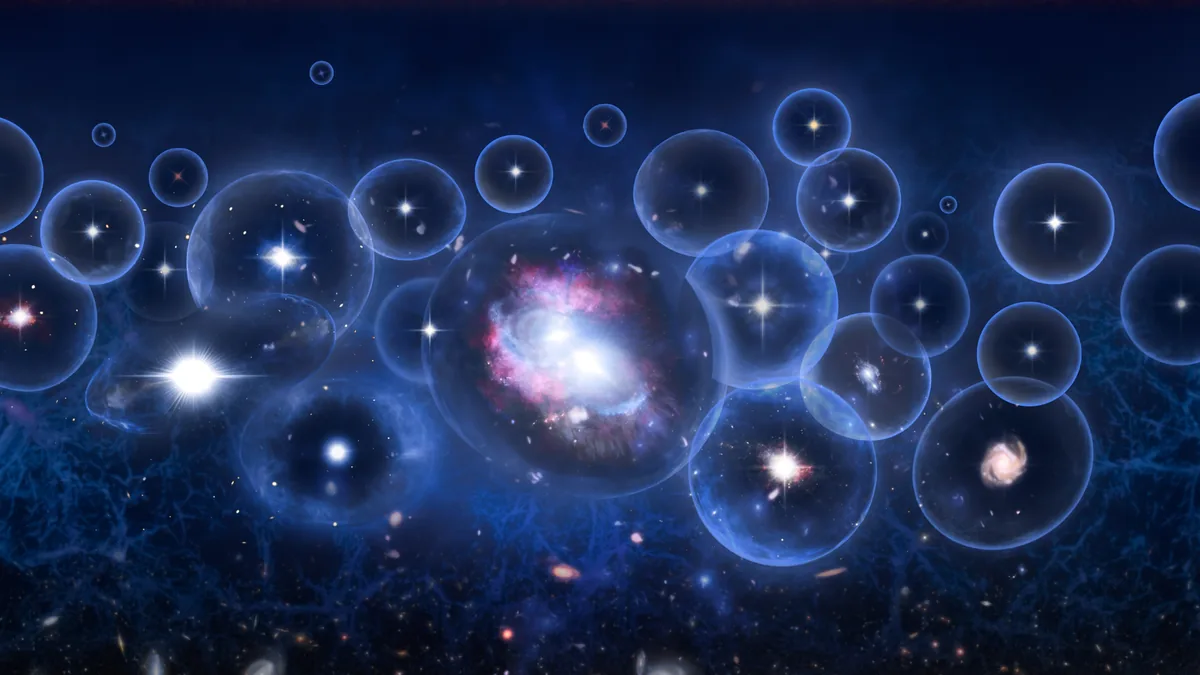
James Webb Discovers Earliest Quasar Pair
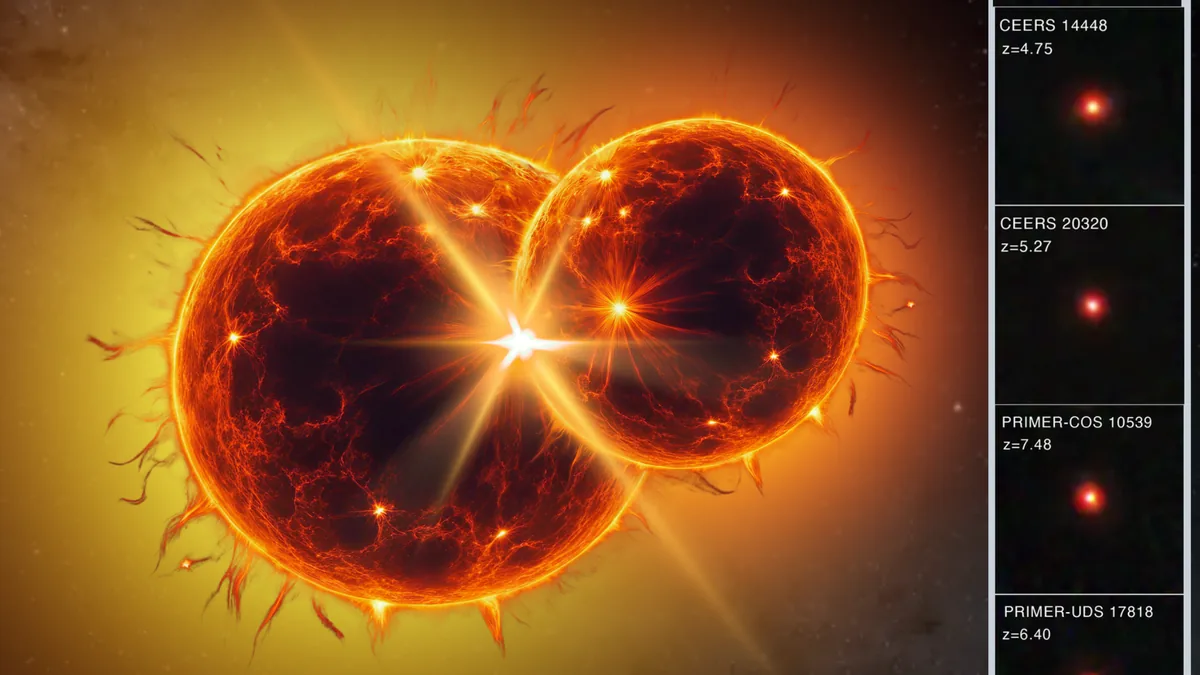
Astronomers using the James Webb Space Telescope have unveiled the oldest pair of black hole-powered quasars ever observed in cosmic history. Fueled by supermassive black holes at their centers, these extremely luminous objects were detected at an extraordinarily early epoch of the universe.
The discovery has stunned the astronomical community, as the presence of such massive and highly energetic systems during the universe's infancy directly challenges existing astrophysical frameworks.
Observational Details and Theoretical Puzzle
Enabled by Webb's high-precision infrared capabilities, the quasar pair was identified through the intense radiation emitted by matter falling into their central black holes. Spectral measurements confirmed their placement in the extreme early cosmos.
Standard cosmological models suggested that black holes should not have had sufficient time to grow to such immense masses and power bright quasars so early. Consequently, the discovery presents a profound theoretical puzzle for researchers.
Scientific Significance and Cosmological Impact
The detection of this ancient quasar pair forces astrophysicists to re-examine current theories regarding the formation and growth rates of early black holes and galaxies. It suggests that early black holes either grew much faster than previously assumed or originated from significantly massive seeds.
Astronomers plan further follow-up observations with the James Webb Space Telescope to better understand the frequency of such early quasar pairs and refine models of structure formation in the early universe.
Comments
Loading comments...