A New Era in Venus Research and Traces of the Past
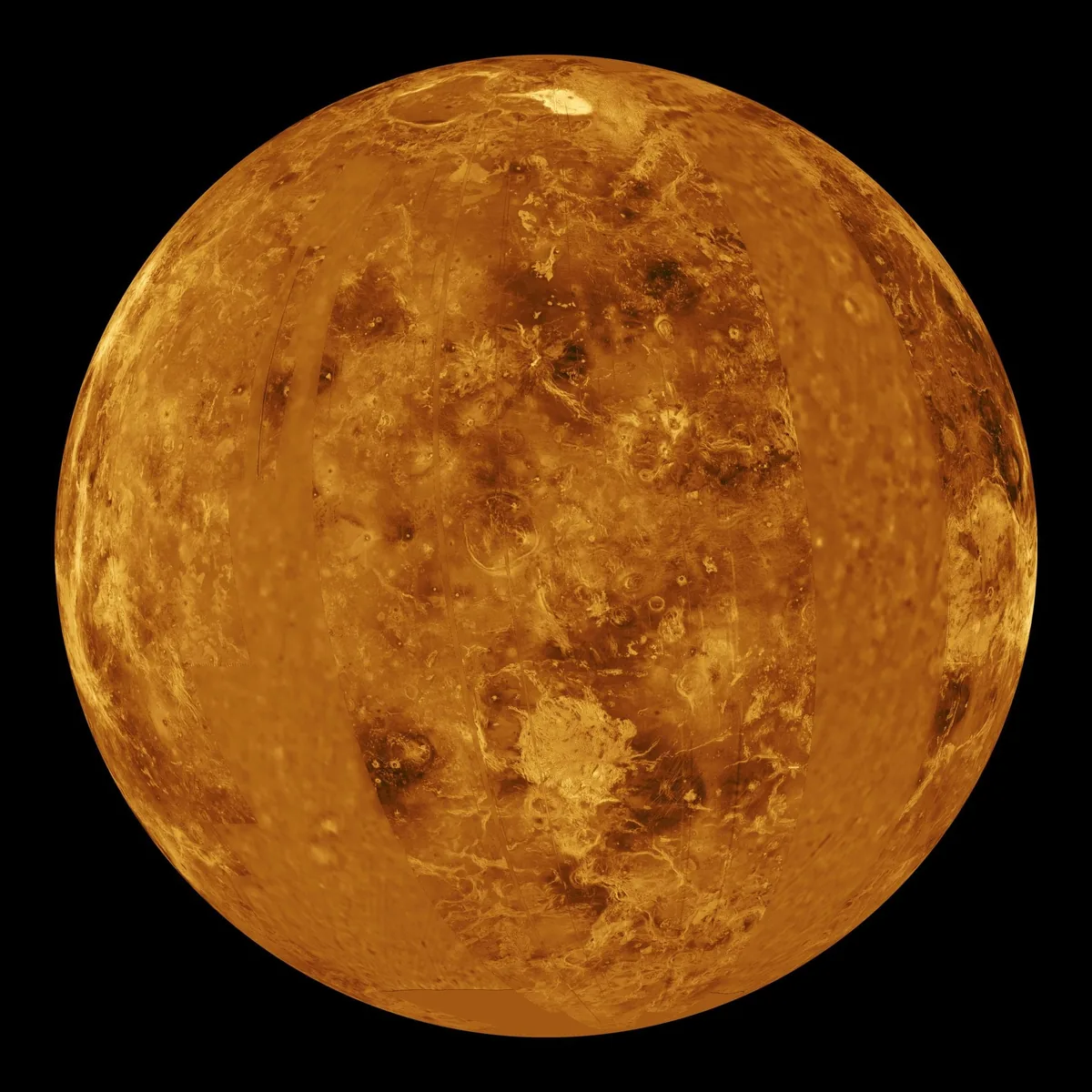
Often referred to as Earth's "evil twin," Venus is becoming a primary focus for the scientific community once again, thanks to a series of upcoming space missions. Spacecraft that landed on its surface in the 1970s and 1980s survived for only a few hours under its extreme heat and pressure, leaving the planet's geological past largely shrouded in mystery. A new study led by Sara Taeko Port, a postdoctoral researcher at the University of Texas at San Antonio, explores what future surface missions might discover and whether those findings could confirm the ancient presence of water.
Pressure Chamber Simulations and Technical Measurements
Published in The Planetary Science Journal, the research analyzes how minerals and rocks interact under the scorching surface temperatures and crushing atmospheric pressures of Venus. These laboratory experiments, conducted in advanced simulation chambers, reveal the chemical transformations of surface materials in dense atmospheric environments. The resulting data provides a crucial reference framework for spectral and mineralogical measurements to be performed by future landers.
Scientific Significance and Upcoming Missions
The findings play a vital role in determining whether Venus once harbored liquid water and potentially habitable conditions. Upcoming planetary missions will utilize these simulation models to interpret on-site mineral measurements. Ultimately, this research will enhance our understanding of atmospheric evolution and climate trajectories on both Venus and Earth-like rocky exoplanets.
Comments
Loading comments...