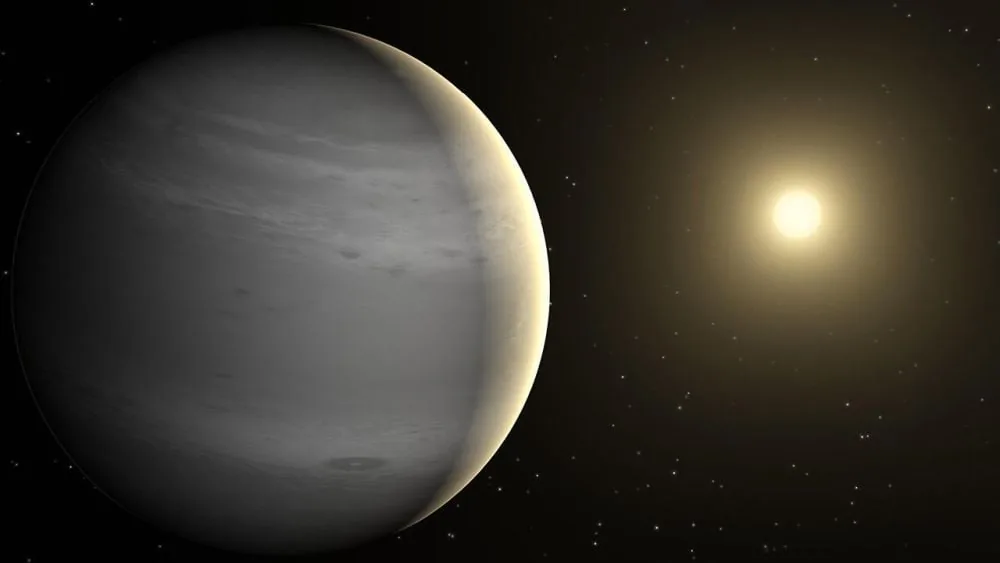
The Dawn of Private Space Observatories
Astrophysics is entering a transformative era as commercial initiatives begin developing dedicated orbital observatories. Leading this frontier is the Lazuli Space Telescope, scheduled to launch in just a few years. Unlike conventional missions funded entirely by national agencies, Lazuli represents a private space telescope designed to allocate a substantial portion of its observing campaign to the characterization of exoplanets.
A newly published research study outlines the strategic observational catalog for the observatory, highlighting a curated collection of 27 exoplanet targets. These targets were selected to leverage Lazuli's instrumentation and maximize high-yield astrophysical data collection.
Target Selection and Deep Observation Profile
The list of 27 targets includes several well-known exoplanetary systems that have already captured the attention of astronomers worldwide. Despite prior detections, many of these worlds require prolonged and dedicated observing windows to resolve ambiguous orbital dynamics and atmospheric characteristics.
By conducting continuous, deep photometric and spectroscopic observations, Lazuli will refine existing transit parameters and probe planetary boundaries. The diverse collection of targets spans various planetary radii and stellar environments, allowing scientists to gather precise light curves that were previously constrained by competing telescope time.
Impact on Exoplanetary Science
The dedication of a private orbital asset to exoplanet characterization marks an evolutionary shift in observational astronomy. By relieving demand on heavily oversubscribed public facilities, Lazuli can pursue specialized, extended monitoring campaigns that foster breakthrough discoveries.
The systematic study of these 27 exoplanetary systems will supply researchers with vital empirical constraints for planetary atmosphere models. As the mission draws closer to launch, this target catalog establishes a roadmap for commercial platforms advancing exoplanet exploration.


Comments
Loading comments...