The Temperature Discrepancy Between the Surface and Corona
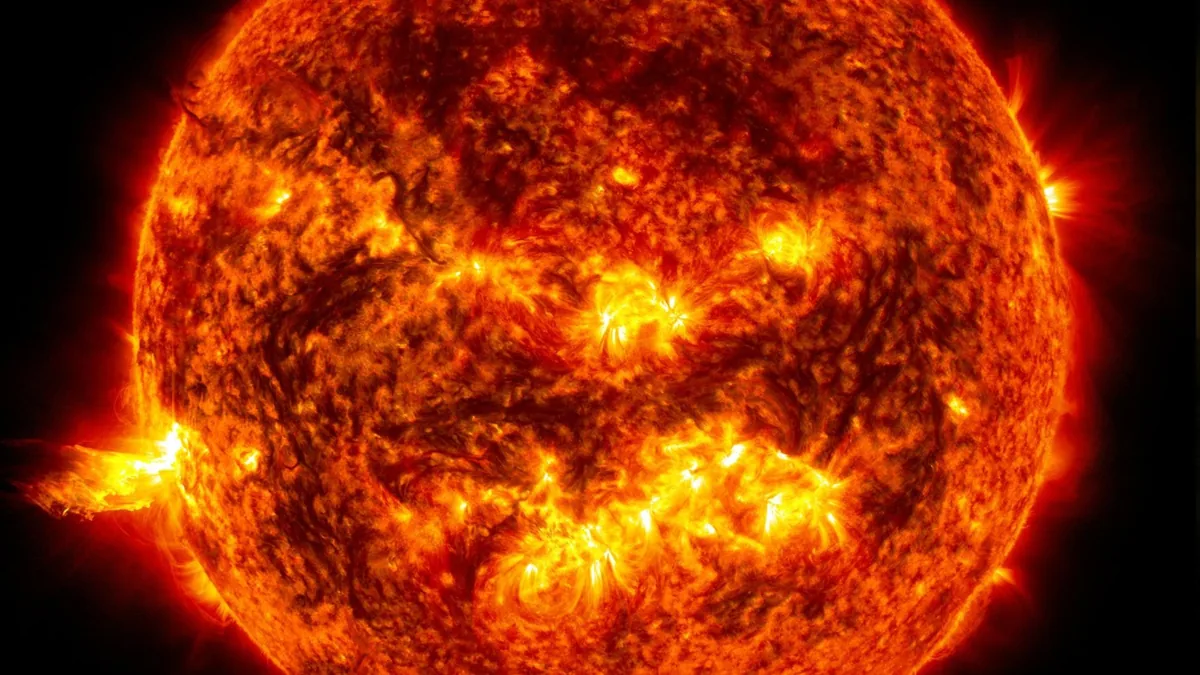
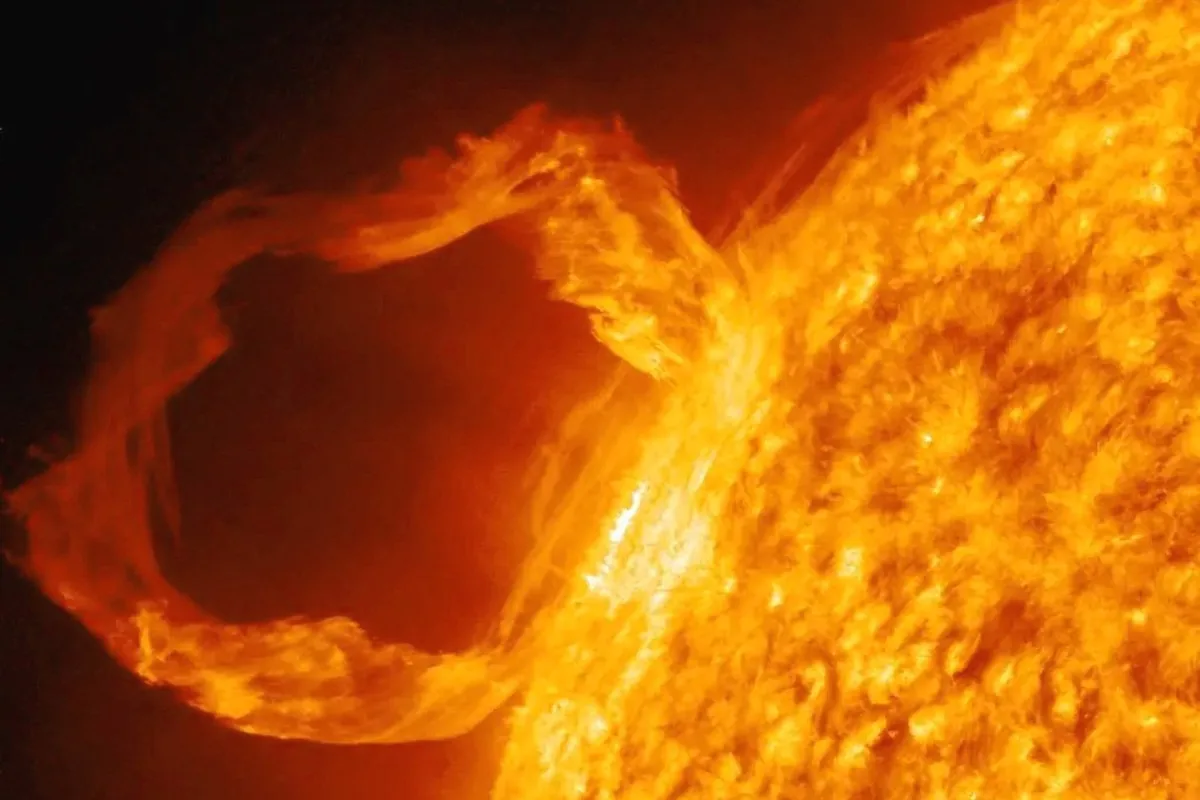
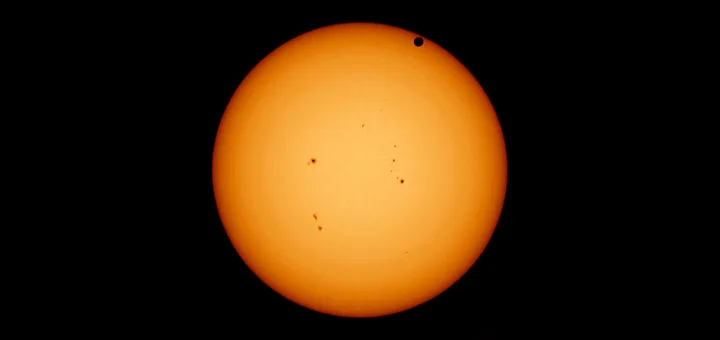
From its visible surface, the Sun radiates heat at a relatively cool temperature of 5,800 Kelvin. However, within the thin outer layer of the solar atmosphere known as the corona, the environment behaves unexpectedly. Here, electrons reach astonishing temperatures in the millions of degrees, creating a long-standing puzzle that astronomers have been striving to fully explain.
Laser Experiments and Plasma Instabilities
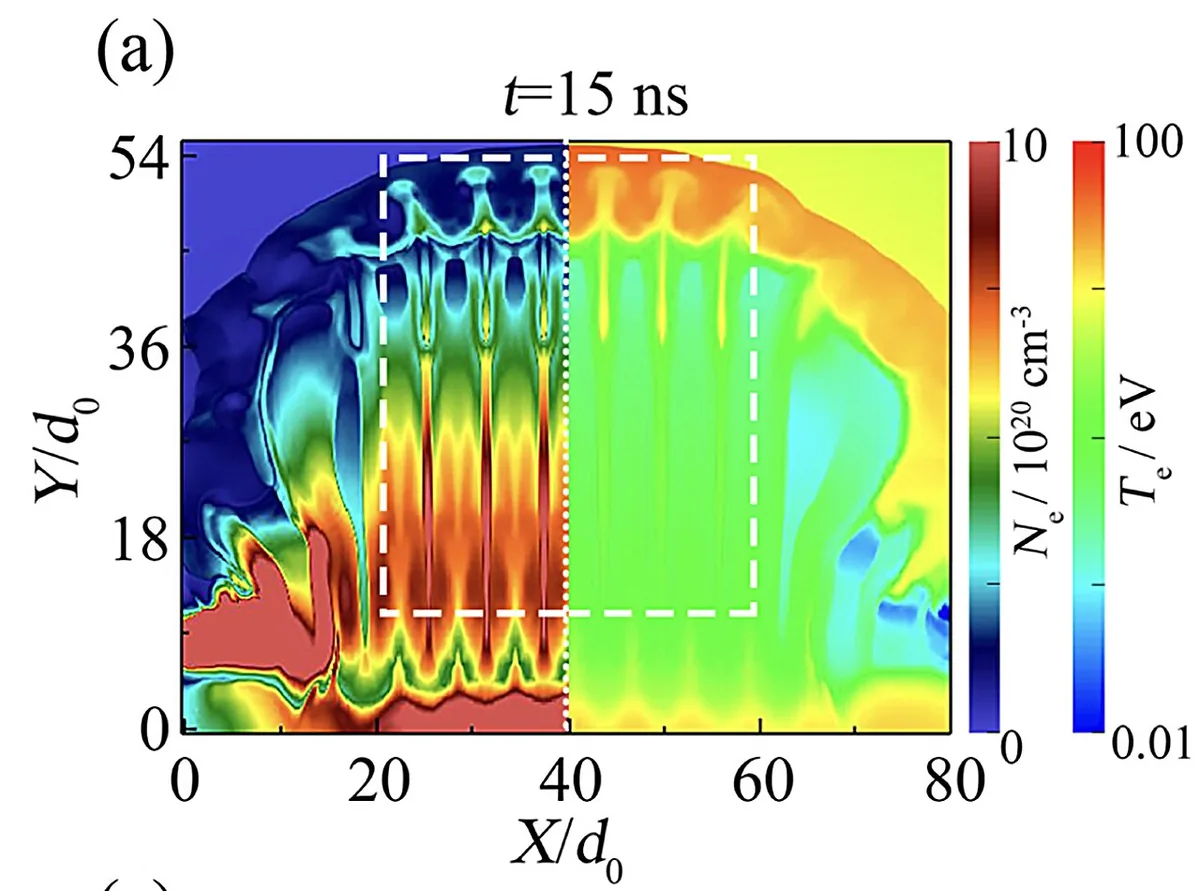
Recent research utilizing laser-blasted plasma offers key insights into this phenomenon. By observing plasma interactions under intense laser exposure, scientists have seen how internal instabilities can dramatically heat electrons. These unstable plasma conditions appear to play a crucial role in driving temperatures up to extreme levels in thin astrophysical environments.
Implications for Solar Physics
Understanding how plasma instabilities contribute to electron heating helps bridge the gap in solar atmospheric models. These experimental findings provide astrophysicists with valuable clues toward solving why the Sun's outer atmosphere is vastly hotter than its surface, improving our overall picture of stellar plasma dynamics.

Comments
Loading comments...