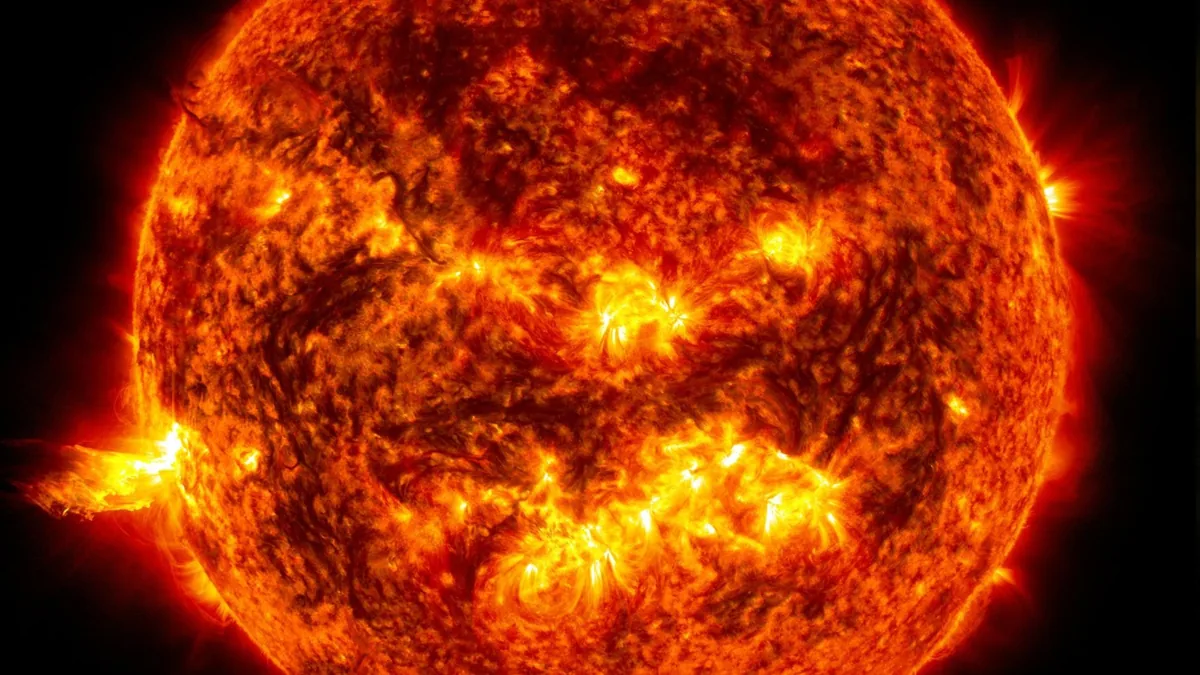
Laboratory Simulations of Solar Phenomena
The stark temperature disparity between the Sun's visible surface and its outer atmosphere has long puzzled astrophysicists. In an effort to decode these dynamics, researchers have simulated solar explosions within a laboratory environment. This groundbreaking approach allows scientists to recreate and examine the Sun's violent magnetic eruptions and underlying physics under meticulously controlled conditions.
Recreating Magnetic Reconnection in Plasma
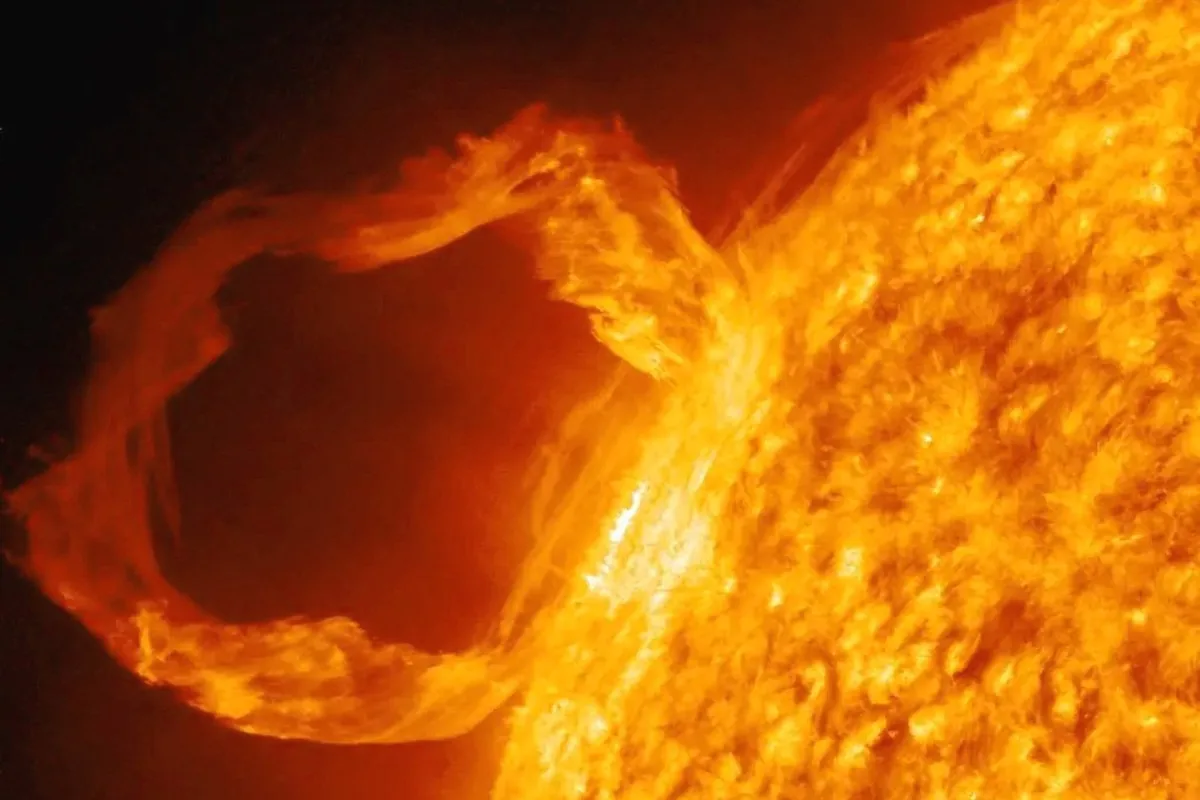
The experimental setup focused on recreating magnetic reconnection, a fundamental process where strained magnetic field lines rapidly snap and realign. By tracking the acceleration of charged particles within the generated plasma, the team gathered precise measurements of energy conversion and dissipation. These observations help explain how explosive events transfer tremendous thermal energy into the solar corona.
Implications for Astrophysics and Space Weather
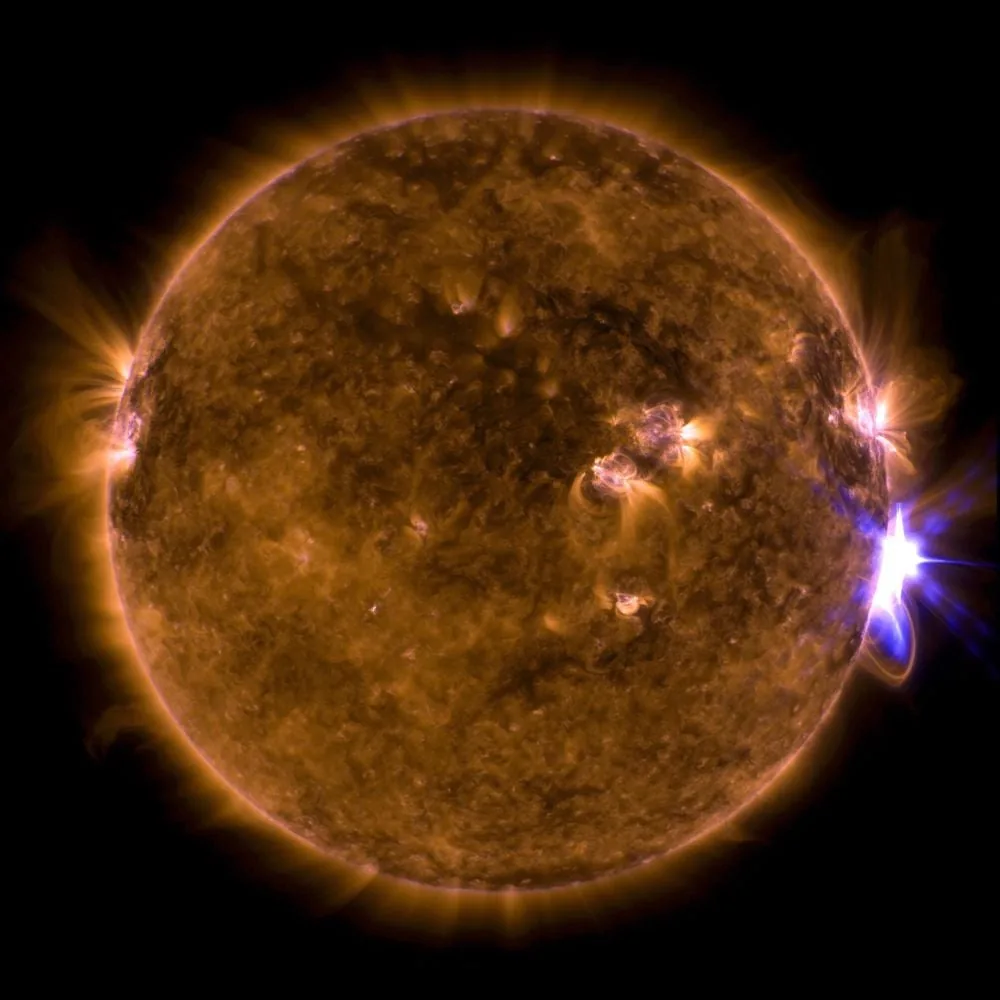
These laboratory findings significantly refine existing models of stellar atmospheres and magnetic activity across the cosmos. Looking ahead, scientists plan to benchmark these experimental measurements against observational data from modern solar observatories, ultimately improving our ability to predict severe space weather events driven by solar eruptions.
Comments
Loading comments...