astronews
Settings My profile TR

Phys.orgImportance

Flexible simulations model how dark matter collisions may leave their fingerprints on the universe

Flexible simulations model how dark matter collisions may leave their fingerprints on the universe
Image: Phys.org

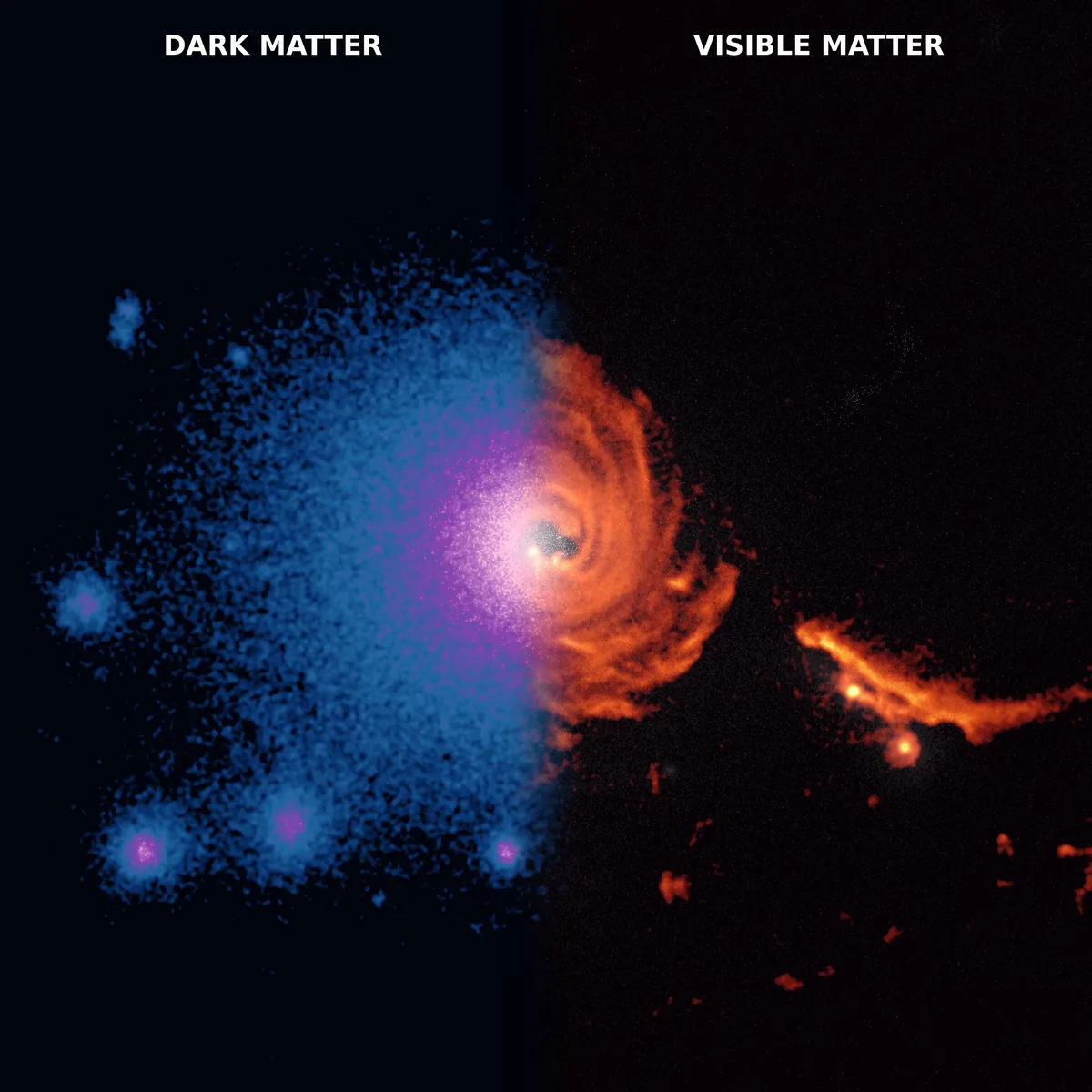
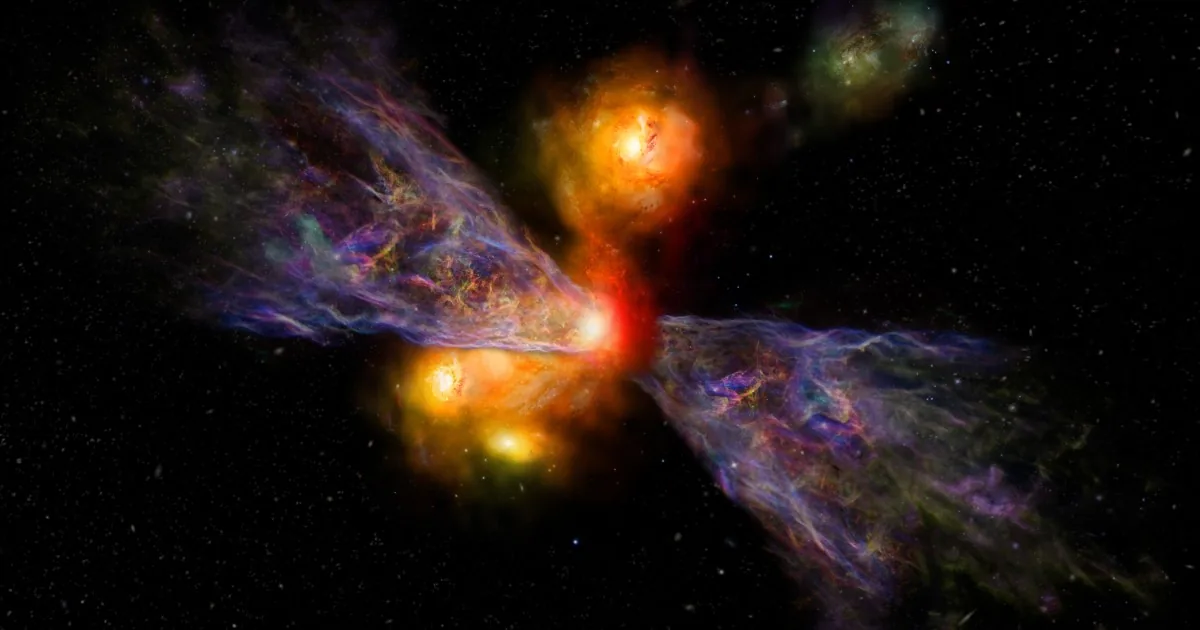
Although dark matter cannot be directly observed, it accounts for about 85% of all matter in the universe. Flexible new simulations model how collisions of dark matter might leave distinct fingerprints across space.

The Search for the Universe's Hidden Matter

Dark matter cannot be directly seen or measured, yet scientists are convinced of its presence. It accounts for approximately 85% of all matter in the universe, underlying the cosmic structure that encompasses everything on Earth, from mountains to oceans.

Simulating Particle Collisions and Cosmic Tracks

Newly developed flexible simulations are allowing researchers to model how dark matter particles might interact during collisions. These models project the specific theoretical fingerprints and signatures such events could leave behind in the universe.

Impact on Modern Cosmological Models

Understanding how dark matter collisions manifest helps refine broader cosmological frameworks. By comparing simulation outputs with future observational data, scientists hope to narrow down the fundamental properties of dark matter.
Read at source
Comment

Something wrong with this story? Report it

Comments

Loading comments...

Choose your city

Sunrise, sunset and the sky chart follow the city you choose.

Pages

NewsFeedSkyObservatorySpacecraftGalleryAcademicAssistantThe weekArchiveAboutMy profileSettings

Topics

Solar SystemMarsMoonSunExoplanetsStarsGalaxiesBlack holesCosmologyComets & asteroidsTelescopesMissionsSky eventsSearch for lifeTürkiye

Legal

Terms of UsePrivacy PolicyKVKK NoticeCookie PolicyPrivacy PreferencesFeedback