
The Most Abundant Planets Missing from Our System
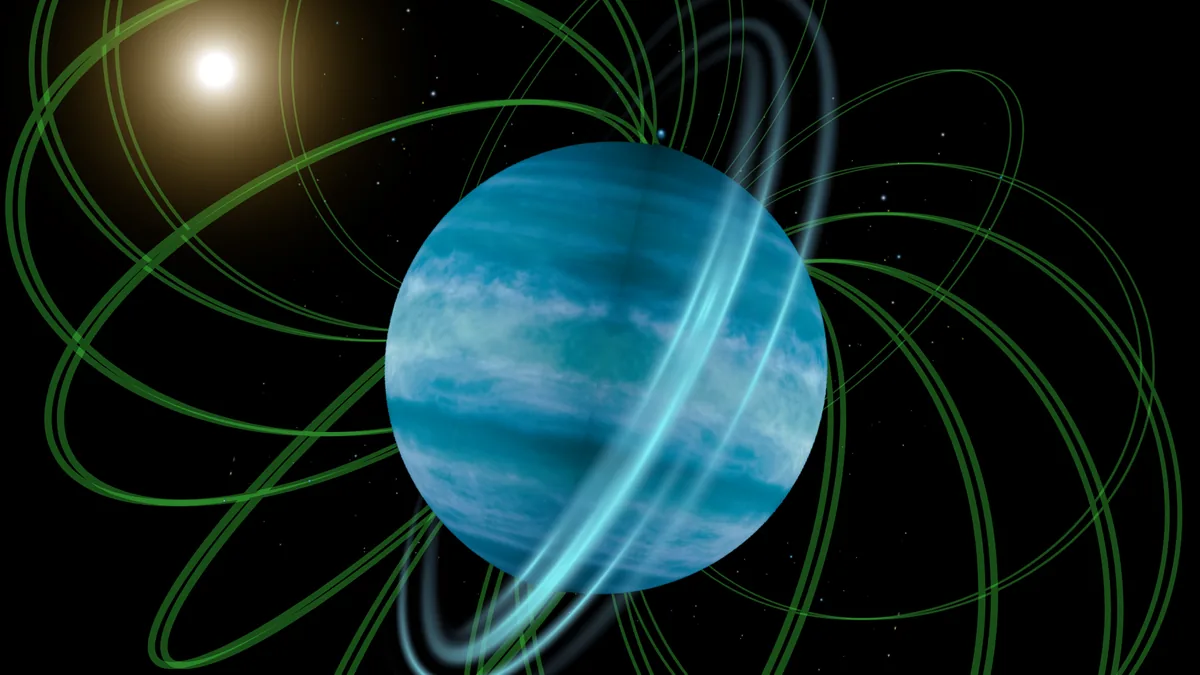
Exoplanet surveys across the Milky Way reveal that sub-Neptunes are the most abundant class of planets in the universe. Ranging in size between Earth and Neptune, these worlds dominate the exoplanetary census. Surprisingly, despite their cosmic prevalence, there is no sub-Neptune present within our own solar system, presenting a longstanding puzzle for planetary scientists.
Composition and Structural Clues
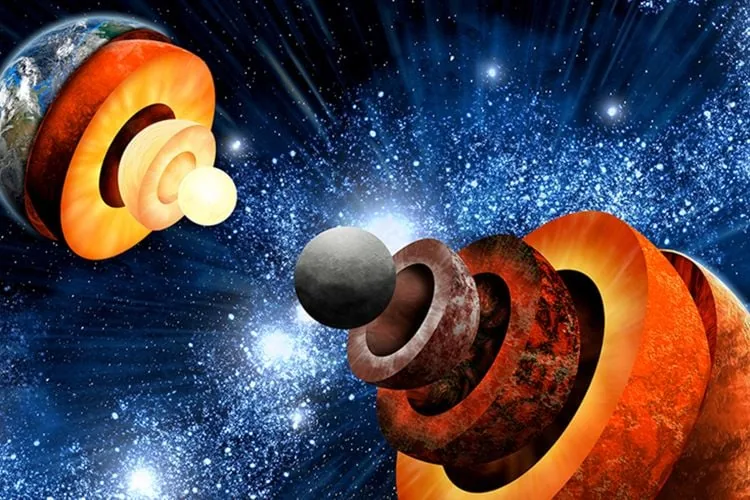
Astronomers have struggled to determine whether sub-Neptunes are rocky super-Earths with puffy atmospheres or scaled-down ice giants rich in volatile elements. Recent observational advances and spectroscopic data are finally providing tantalizing clues regarding their true physical natures. Evidence suggests a diverse population, including potential water-dominated ocean worlds and gas-rich sub-giants.
Implications for Planetary Formation
Unraveling the mystery of how sub-Neptunes form and evolve is key to understanding planetary system architecture across the galaxy. The absence of such worlds in our solar system challenges existing formation models and highlights the importance of planetary migration dynamics. Continued observations with advanced space telescopes promise to further clarify the atmosphere and interior structure of these fascinating planets.

Comments
Loading comments...