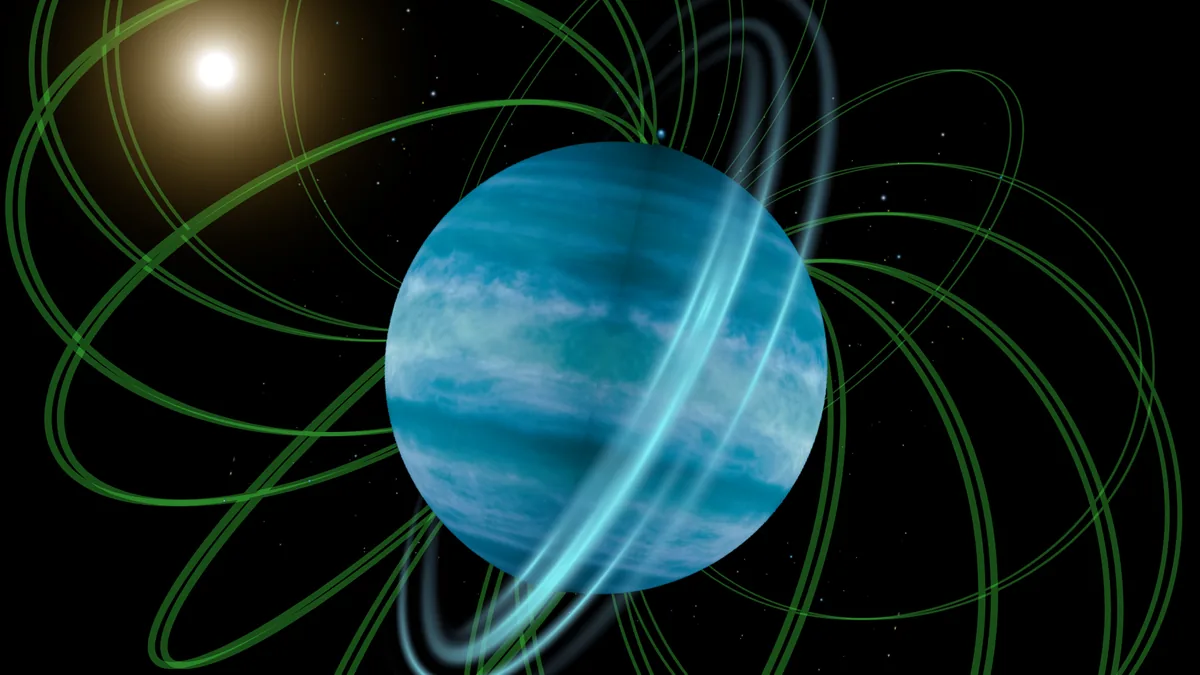
Background of a 40-Year Planetary Mystery
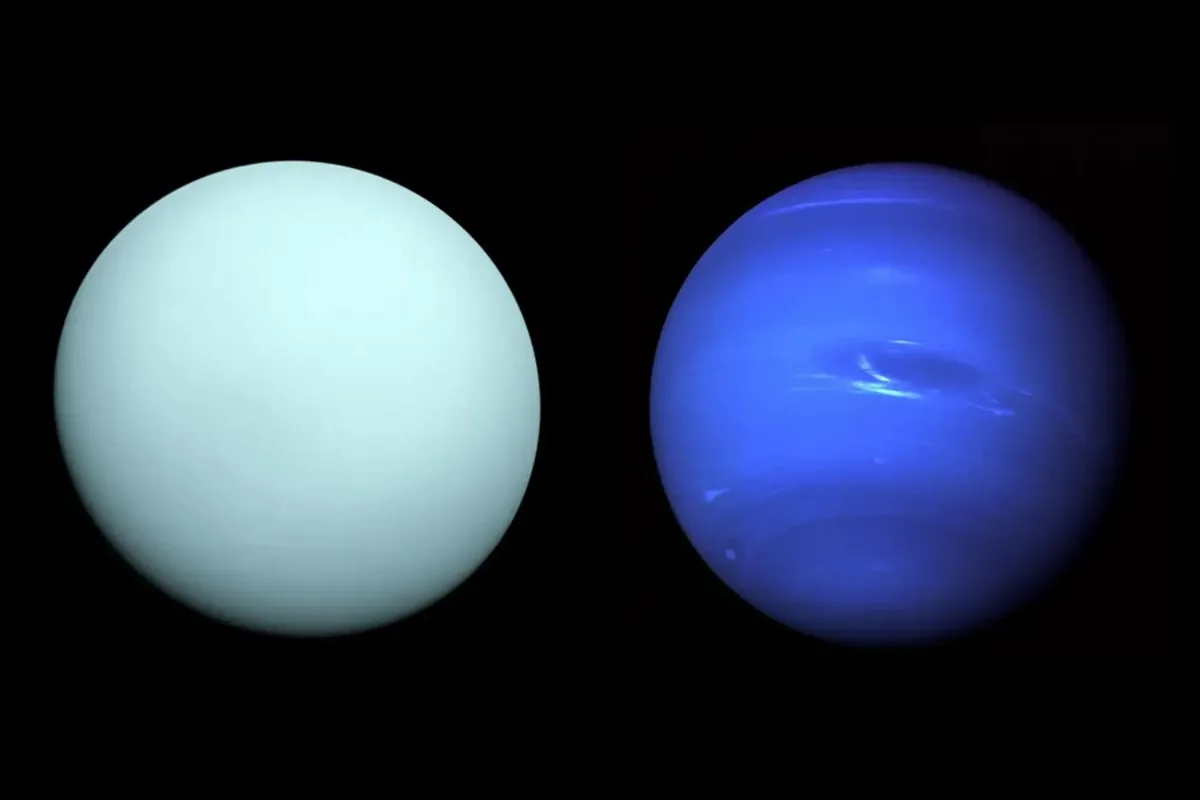
The lopsided and asymmetric magnetic fields of Uranus and Neptune have puzzled scientists for nearly 40 years, ever since the Voyager 2 spacecraft flew past them in the 1980s. Unlike Earth or Jupiter, which possess highly symmetric dipole magnetic fields, these ice giants display complex and offset magnetic structures.
Extreme Conditions and the Dynamo Effect
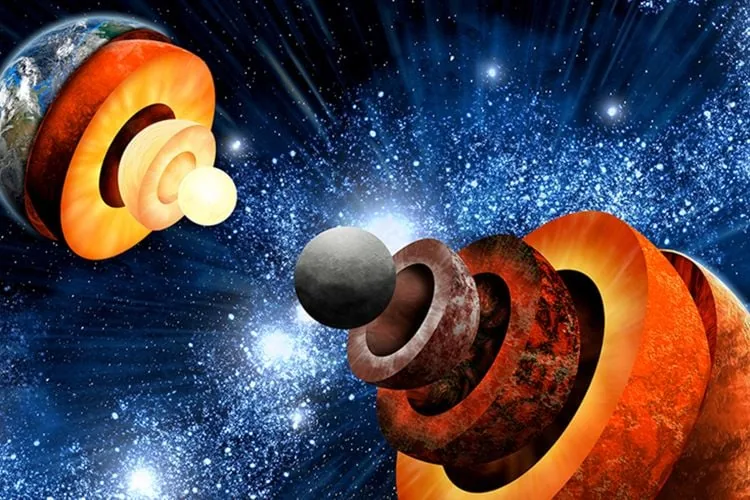
New theoretical models focus on the extreme temperature and pressure conditions deep within these planets. Researchers suggest that these intense interior environments dramatically increase electrical conductivity, enhancing the fluid dynamo effect and giving rise to the strangely skewed magnetic fields observed today.
Planetary Physics and Future Space Missions
This breakthrough fills a critical gap in our understanding of ice giant interiors and thermal evolution. The findings will also provide vital theoretical framework for designing magnetic field instruments on upcoming flagship missions to Uranus and Neptune.

Comments
Loading comments...