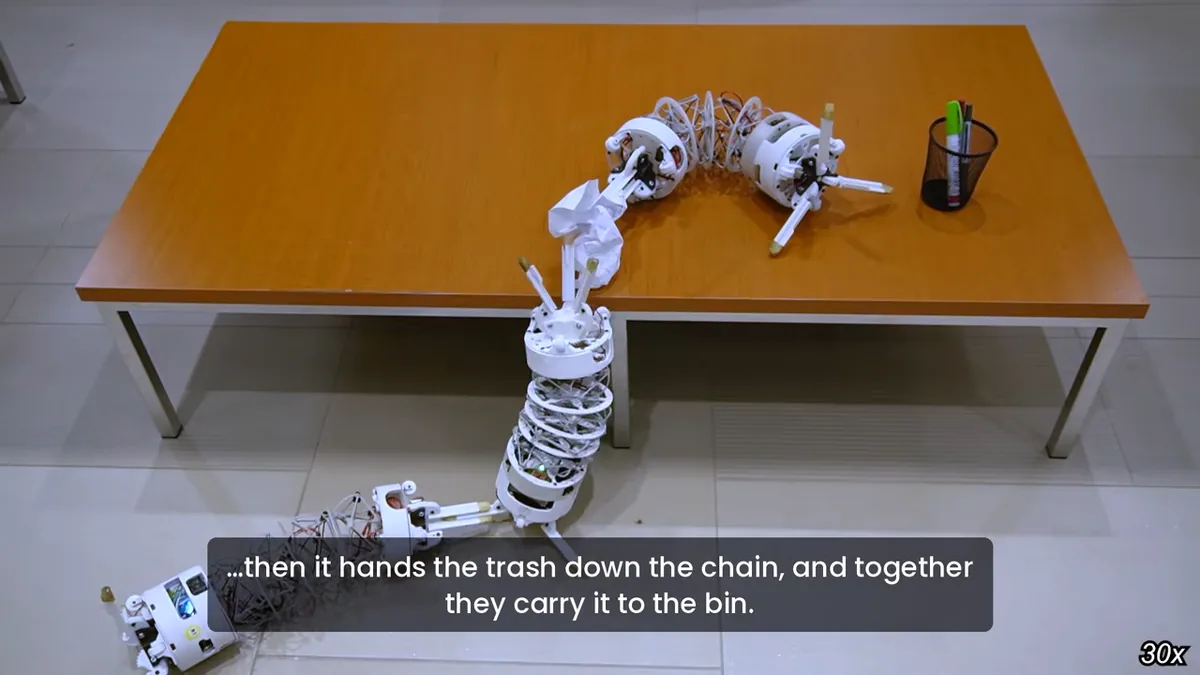
Moving Beyond Traditional Wheeled Rovers
Robots with wheels or rotors have long been central to space exploration efforts. While effective on smooth ground, these conventional designs struggle on jagged boulders and tight crevices. To overcome these limitations, researchers at Colorado State University's Adaptive Robotics Lab introduced a novel robotic morphology in Nature Machine Intelligence.
Tensegrity Principles and Flexible Design Details
The new robotic concept relies on "tensegrity" (tensional integrity), a design principle more common in architecture than robotics. These shape-shifting, slug-like structures alter their balance of tension and compression to bend and crawl across rough surfaces without getting stuck or tipping over.
A New Era for Planetary Exploration
Such alternative robotic form factors hold immense potential for exploring previously unreachable environments, such as canyons and caves on the Moon, Mars, or outer solar system moons. Researchers anticipate that tensegrity-based robots will complement traditional rovers in future planetary missions.
Comments
Loading comments...