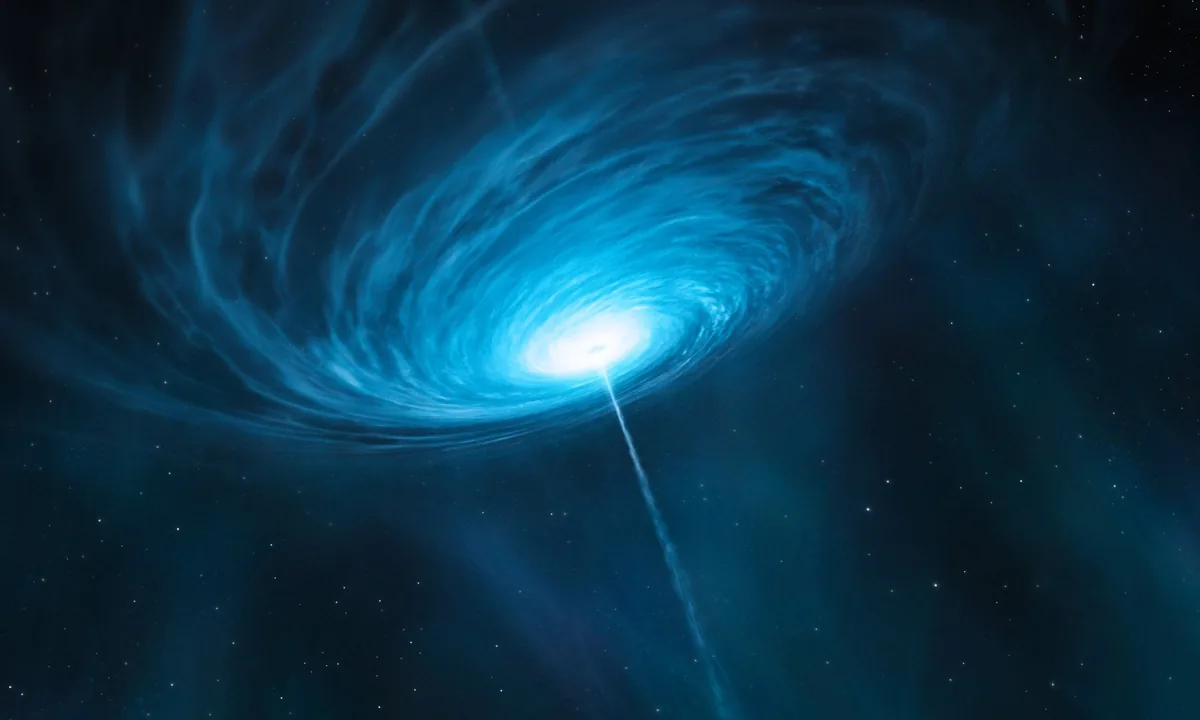
A New Window into the Heart of a Black Hole
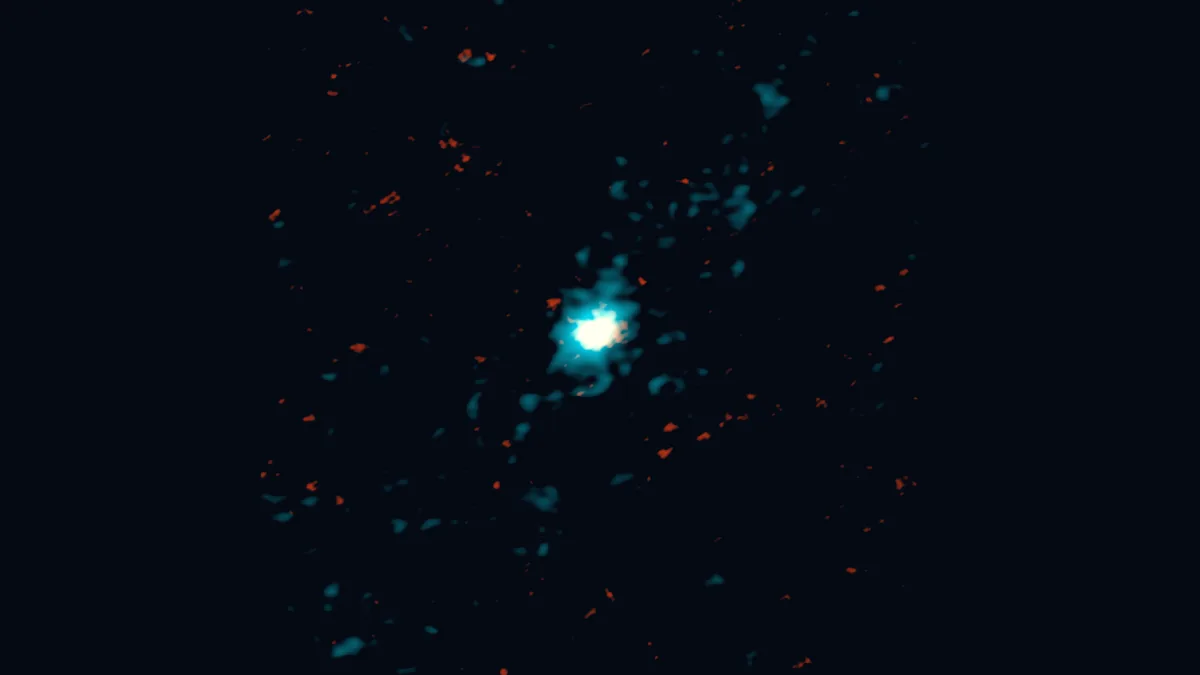
The Event Horizon Telescope (EHT) Collaboration has added another milestone to its high-resolution observational studies of highly energetic phenomena in the deep universe. By combining radio telescopes across the globe, astronomers targeted the supermassive black hole system at the core of the blazar 3C 279. The resulting observations resolved the powerful jet emitted from the core and its innermost region in unprecedented detail.
Innermost Dynamics and Jet Geometry
Data obtained by the Event Horizon Telescope clearly demonstrate the internal geometry and dynamic processes of the jet structure forming close to the black hole. Thanks to exceptional angular resolution, the research team was able to directly examine the regions closest to the central engine where matter is launched at relativistic speeds. The observations reveal how the structure takes shape at its launching point and how complex plasma flows evolve along the jet stream.
Astrophysical Significance and Future Studies
This detailed imaging represents a major step forward in understanding how gravitational forces and magnetic fields surrounding supermassive black holes accelerate matter into relativistic jets. Resolving the innermost structure of the 3C 279 jet allows astrophysicists to refine theoretical models regarding jet formation and particle acceleration. The EHT collaboration aims to continue high-resolution observations to further unveil the mechanisms driving the most energetic sources in the universe.

Comments
Loading comments...