A New Theoretical Approach in Physics
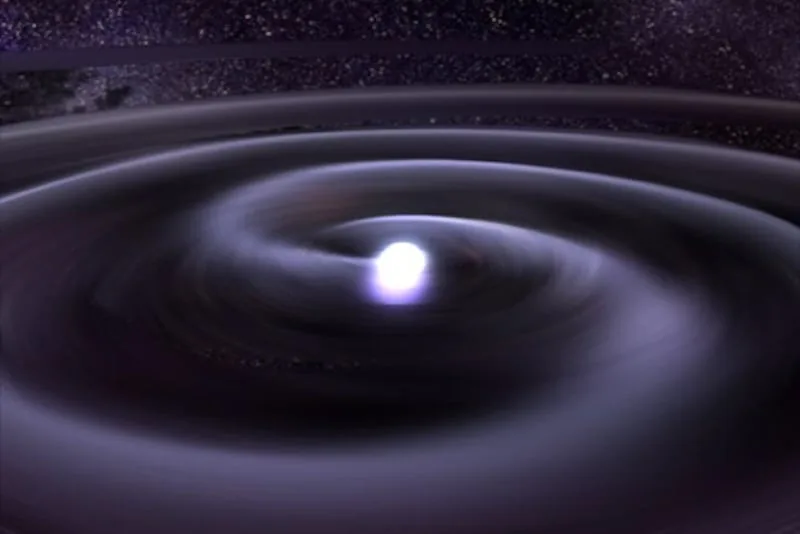
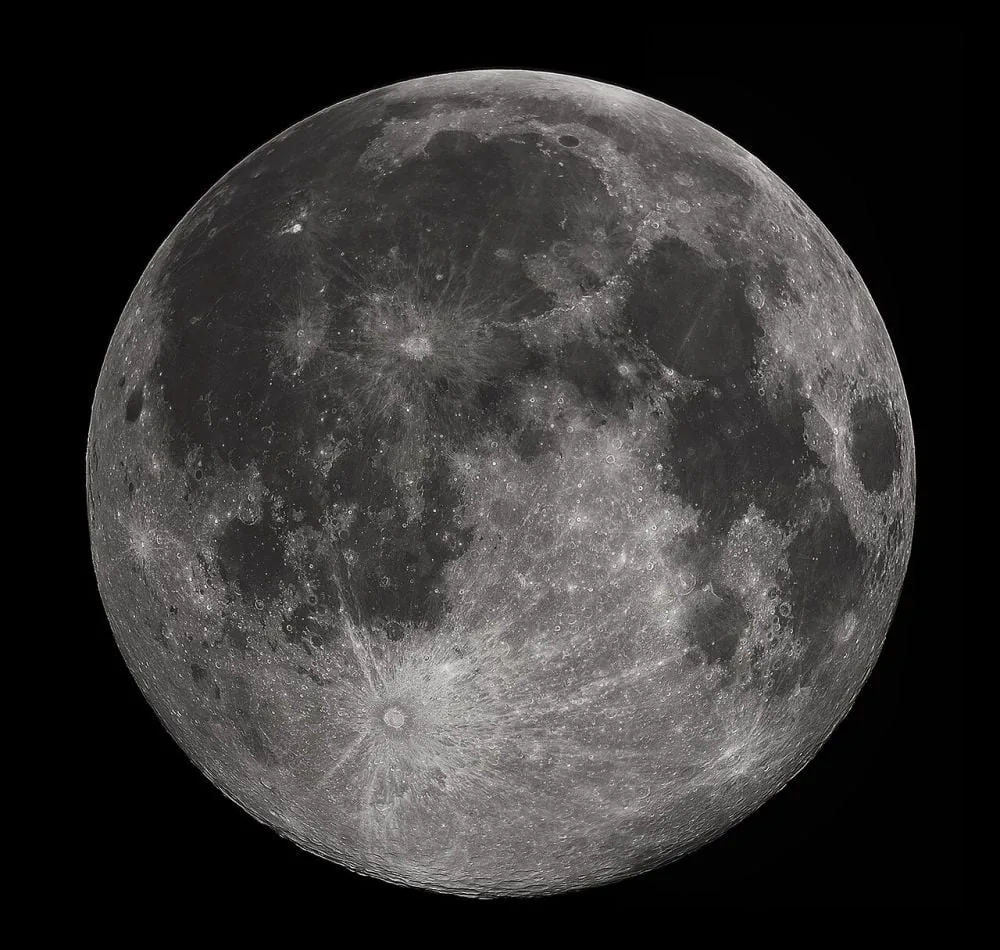
A researcher at Freie Universität Berlin has developed a theoretical framework addressing gravity physics. This study aims to connect Isaac Newton's classical tides theory with relativistic phenomena defined under Albert Einstein's general relativity, specifically gravitational waves. The research focuses on re-examining lunar tides, one of the most familiar phenomena in celestial mechanics, through the lens of modern relativistic physics.
High-Precision Measurements and Relativistic Traces
The proposed theoretical framework relies on searching high-precision measurements of lunar tides for potential relativistic signatures. The researcher has formulated a mathematical system designed to isolate subtle gravitational traces embedded within lunar tide data. Through this framework, high-precision tidal measurements can be analyzed for traces predicted by Einsteinian gravity.
Scientific Implications and Future Outlook
This theoretical development offers a novel avenue for testing fundamental gravitational models. Searching for relativistic traces in the gravitational interactions between the Earth and the Moon provides a roadmap for future ultra-precise measurement experiments. The framework contributes to a deeper understanding of the interplay between classical Newtonian mechanics and Einstein's theory of general relativity.

Comments
Loading comments...