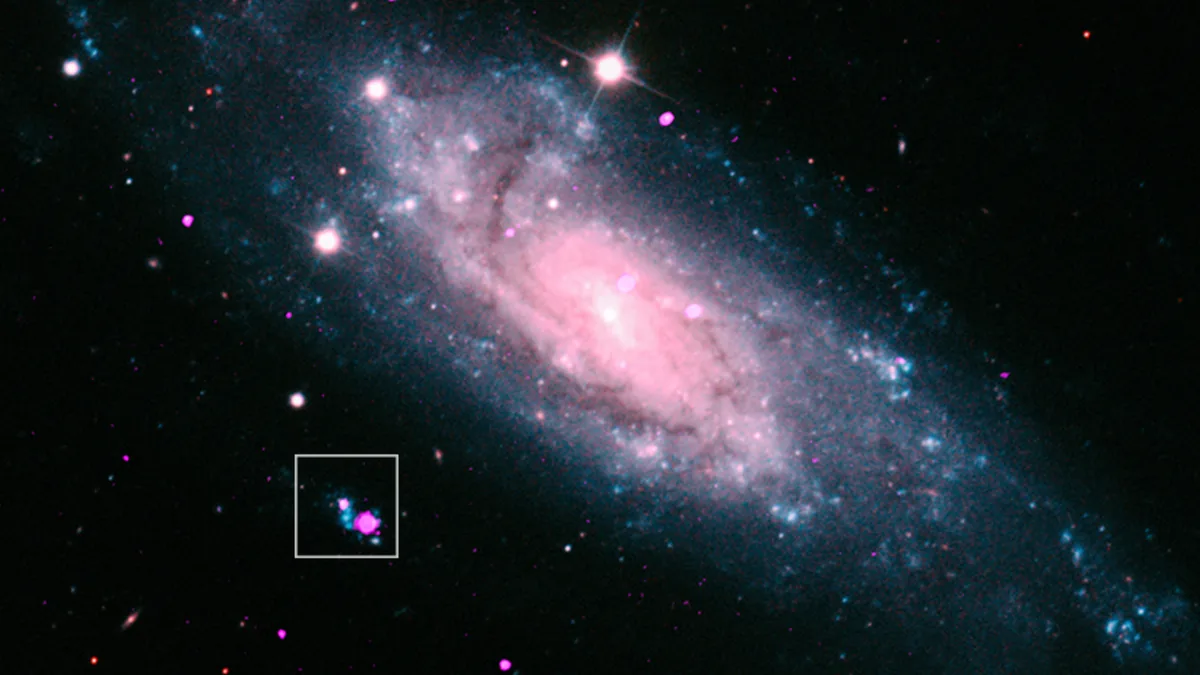
Resolving a Fifteen-Year Astrophysical Mystery
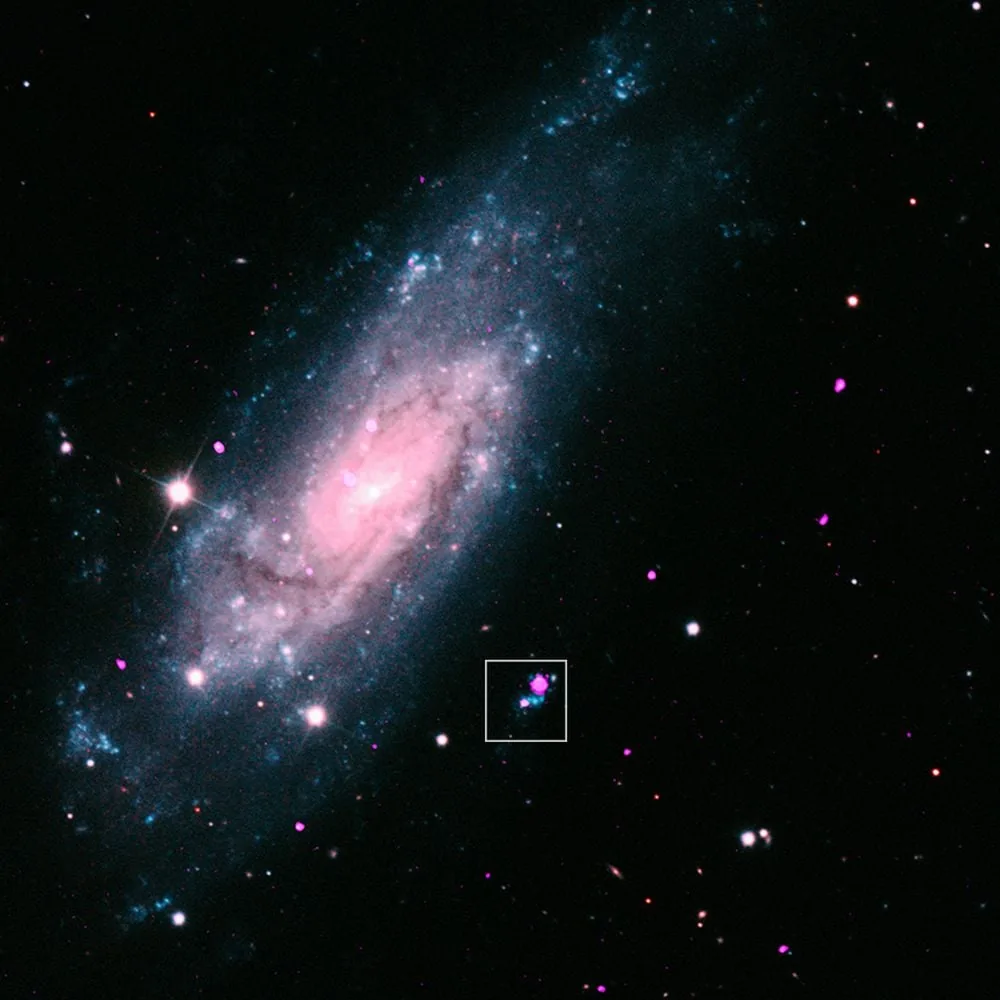
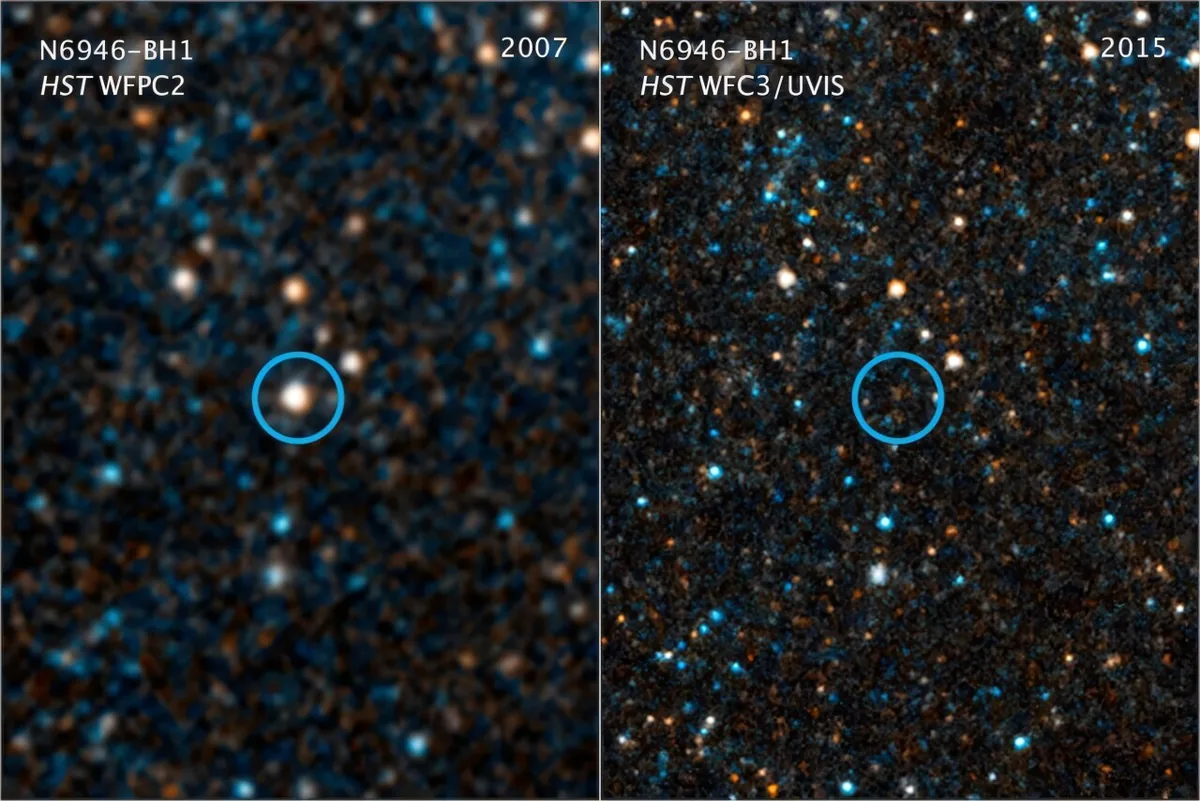
For roughly fifteen years, astronomers were puzzled by an enigmatic cosmic system exhibiting dramatic light eruptions that closely mimicked standard supernova explosions. Recent detailed evaluations have finally decoded the nature of this deceptive transient event. The investigation revealed that the phenomenon does not originate from a single catastrophic stellar demise, but rather from an intricate, previously undetected binary interaction taking place within the distant system.
Feeding Dynamics of a Hidden Compact Companion
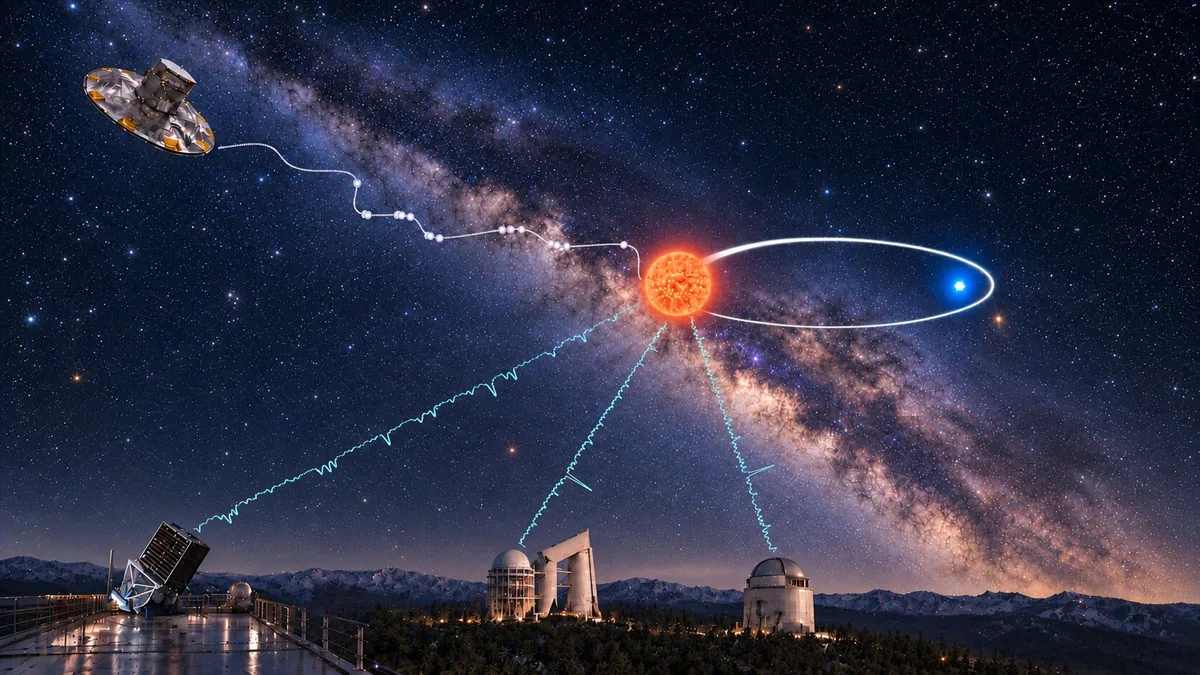
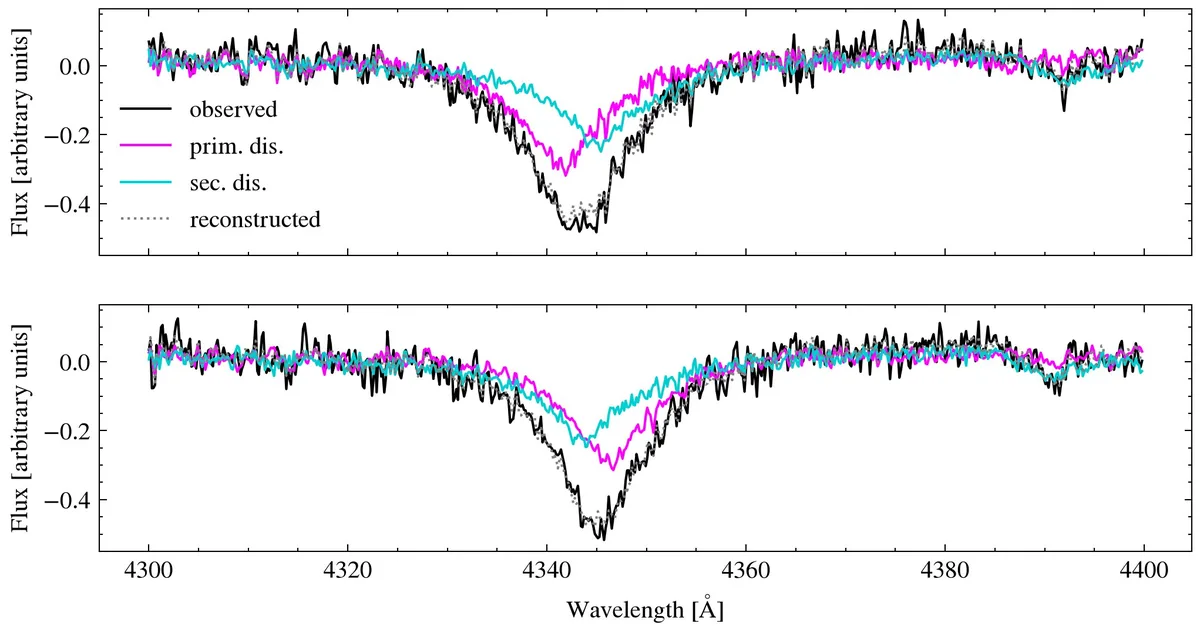
At the center of this puzzling system lies an unstable massive star closely orbited by a concealed black hole or neutron star companion. As the primary star experiences structural instabilities, the compact companion steadily draws stellar material onto itself. This intense accretion process unleashes energetic outbursts of radiation that generate optical flares, producing luminous signatures that closely replicate the brightness and profile of a true supernova explosion.
Implications for Stellar Evolution and Supernova Impostors
These findings provide crucial clarity regarding the behavior of 'supernova impostors' and the violent late-stage evolution of massive binary pairs. The discovery demonstrates that powerful cosmic bursts are not always the definitive death throes of a dying star, but can instead stem from recurrent feeding dynamics driven by dense companions. Moving forward, astronomers intend to use these insights to identify and classify similar impostor systems across optical transient surveys.
Comments
Loading comments...